
Faculty Advocating for the Commitment to Ethics (FACE) Committee
Shanita Anderson | College of Education
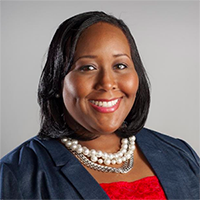 Dr. Shanita Anderson is a lecturer in the Department of Teaching and Learning in the College of Education. She is an active member of professional and academic organizations in her field, such as American Educational Research Association (AERA) and American Association of Colleges for Teacher Education (AACTE). Dr. Anderson began her career in 2001 as a middle grades Social Studies teacher in Fayetteville, NC. Since that time, Shanita has served and supported the children and teachers of North Carolina as a classroom teacher, an AIG Coordinator, a Literacy Coach, Instructional Coach with the North Carolina Department of Public Instruction, and most recently as a New Teacher Support Coach with the University of North Carolina at Pembroke.
She obtained her bachelor’s degree in Middle Grades Education from East Carolina University and is certified in English Language Arts, Reading K-12, Social Studies, AIG, and Literacy Coaching. She has a master’s degree in Language Arts through Fayetteville State University as well as a Master’s of School Administration from the University of North Carolina at Pembroke. Dr. Anderson earned her doctorate in Curriculum and Instruction from the University of North Carolina at Wilmington. Her doctoral work primarily focused on trust and coaching practices geared to elicit instructional improvement. Anderson’s coaching philosophy is grounded in aligning effective “best practices” in professional development with individual teacher needs to improve educator efficacy and effectiveness in an effort to increase student achievement.
Karen Burton | University Libraries
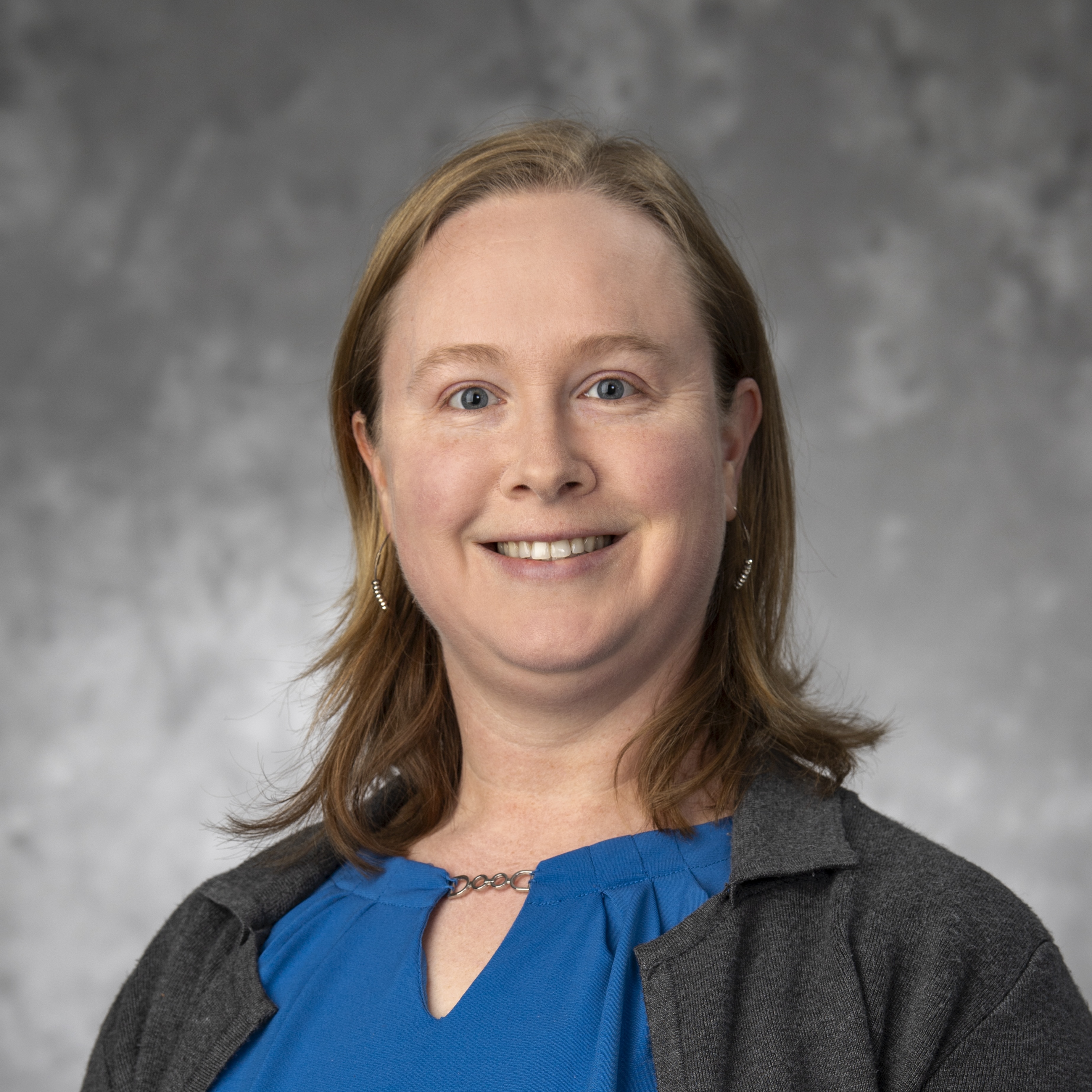 Karen is an Assistant Librarian for Clemson Libraries where she is the liaison for the College of Agriculture, Forestry, and Life Sciences, as well as Clemson Extension. Karen is a Clemson graduate with a B.S. in Entomology and received her Master's of Library and Information Science from the University of South Carolina in 2021. Karen has worked in many different roles at Clemson over the years from raising beetles for biological control to tutoring student athletes as part of the Athletic Academic Services Department. Before joining the Clemson Libraries in 2022 she worked for the University of South Carolina School of Medicine Greenville where she supported the Continuing Medical Education program for Prisma.
Bobby Couch | Wilbur O. and Ann Powers College of Business
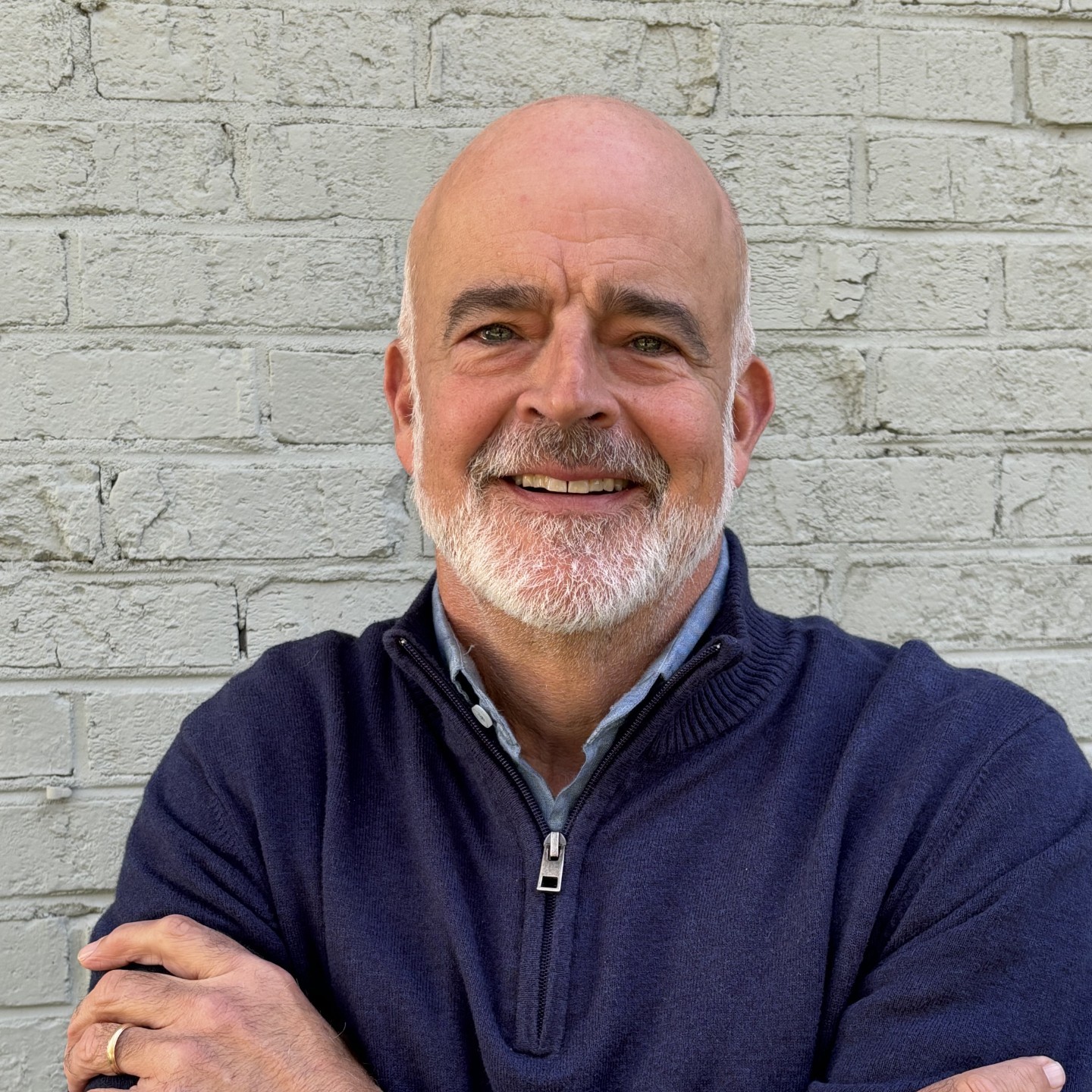 Bobby Couch serves as a Professor of Practice in the Department of Management at Clemson University, teaching Sports Business to Master of Science students as well as Principles of Management to business undergrads. He also serves as a guest lecturer at Clemson University and other colleges and universities around the country.
Bobby also runs a consulting company, Couch Collegiate Consulting Company, Inc., serving clients in the college athletics space, as well as the NIL ecosystem. Bobby joined TigerImpact, Clemson’s Purpose-Driven NIL Collective, as its Executive Director in April 2022. Prior to joining TigerImpact, Bobby worked at IPTAY as a Senior Associate Director, joining Clemson Athletics in 2005. In his role with IPTAY, Bobby primarily oversaw major gifts and prospect management. He also had oversight responsibilities for the Premium Seats department, IPTAY Hospitality and Concierge services, and the Block C Club. Bobby also served as a liaison between the Clemson University Alumni and Development CORE team and IPTAY. Prior to joining the IPTAY staff, Bobby served as the Director of Community Relations for the Raleigh-Durham Skyhawks, the Director of Sales Promotions for the Durham Bulls Baseball Club, the Director of Major Gifts for the Greenville Health System, and the Senior Director of Development for Virginia Tech's Pamplin College of Business. He has close to 30 years of experience serving athletics and fundraising organizations.
Bobby graduated from Wofford College in 1989 and earned a B.A. degree in Accounting. Bobby was a scholar-athlete, playing football and earning both academic and athletic scholarships. In 2019, he completed his Master of Science Degree in Athletic Leadership at Clemson University.
Elizabeth Gilmore | Honors College & College of Behavioral, Social, and Health Sciences
 Dr. Elizabeth K. Gilmore is the Director of Basic Courses and a Senior Lecturer in the Department of Communication at Clemson University. She earned her Ph.D. in Communication and Culture from Indiana University, an M.S. in Communication Studies from the University of North Texas, and a B.S. in Human Communication from Abilene Christian University. Dr. Gilmore teaches a range of undergraduate and honors courses including Public Speaking, Introduction to Communication Studies, Communication Theory, and Communication Pedagogy. Her scholarly interests span critical pedagogy, rhetorical theory and criticism, persuasion and argumentation, digital and visual rhetoric, and critical race studies. She has published award-winning research on visuality and race in communication and has been recognized for excellence in teaching and graduate research.
Jeff Hallo | The Graduate School & College of Behavioral, Social, and Health Sciences
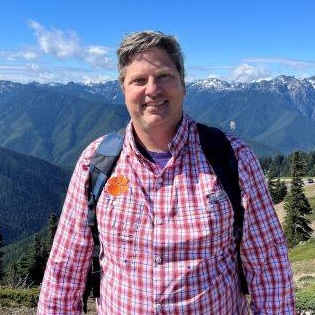 Jeffrey Hallo, Ph.D. is a Professor and the Graduate Coordinator in Clemson University’s Department of Parks, Recreation, and Tourism Management. His research and teaching are focused on understanding, planning for, and managing visitor use in parks, forests, and other protected areas. He has authored or co-authored over 80 peer-reviewed scientific journal articles, books, or book chapters on these topics. He was an interviewed expert for news articles appearing in The Washington Post, National Geographic, Delta Sky Magazine, and WalletHub. In 2016, Jeff released his first children’s book titled Rosy Ralph Visits His National Parks. In 2017 and 2018 he received university awards for his graduate student mentoring and for his scholarship in scientific journals. In 2022, Jeff received an award for his Distinguished Service as the Interim Chair of the PRTM department.
Jeff lives in Central, SC with his wife, Lisa, and their three young children: Cooper, Ashlyn, and Bridger. Jeff greatly enjoys experiencing parks and the natural world with his family.
Stephen Lewis | College of Behavioral, Social, and Health Sciences
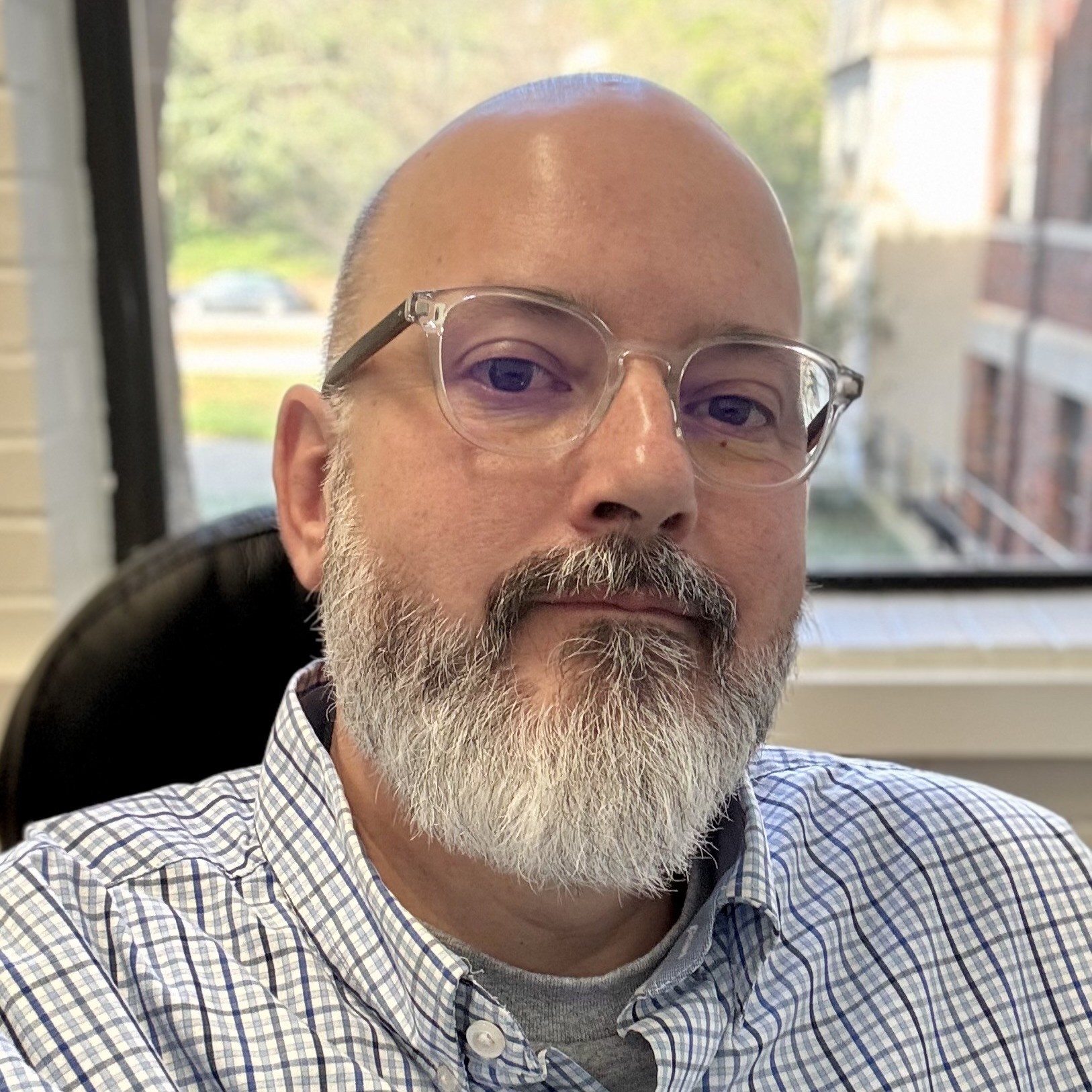 Dr. Lewis is a senior lecturer, teaching both in the recreational therapy program, and the PRTM core at Clemson University since August, 2014 after serving as a lecturer at the Southern Institute of Technology in Invercargill, New Zealand (2016–2017), a visiting lecturer at Indiana University (2007–2010), and an assistant professor at University of Wisconsin, La Crosse (2010–2014). He attended Florida State University for his undergraduate and Master’s degrees, and graduated with his Ph.D. from Indiana University in 2012. Stephen’s scholarly interests focus on relationships between leisure behavior, mental health, and empowerment of minoritized identities and populations, typically utilizing critical qualitative approaches.
Meredith Morris | College of Science
 Meredith Morris is an Associate Professor in the Department of Genetics and Biochemistry. Her research is funded by the National Institutes of Health and is focused on understanding the cellular biology of protozoan parasites that cause disease in humans and livestock. She also teaches Fundamental Genetics (GEN 3000) and Molecular Biochemistry (BCHM 3010) and is a faculty advisor for the student outreach group, Clemson University Inclusive Excellence in Science and Technology (CU INVESTors).
Lydia O'Halloran | College of Agriculture, Forestry, and Life Sciences
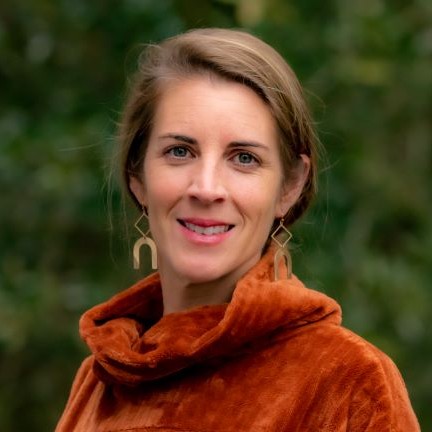 Lydia Ries O’Halloran is an Assistant Professor in the Department of Forestry and Environmental Conservation. She is based at the Baruch Institute of Coastal Ecology and Forest Science in Georgetown, SC. Dr. O’Halloran’s research interests are in plant ecology and global environmental change. Specifically, she studies how land use and climate change affect herbaceous plant ecology. She examines how plants respond to environmental impacts at both species and ecosystem scales, with the goal of providing science to support climate change conservation planning in South Carolina and beyond.
Dr. O’Halloran teaches undergraduate Creative Inquiry classes related to silvopasture, ecosystem management, and restoration through livestock grazing. She also teaches Advanced Conservation Biology and Global Change Ecology, two graduate-level courses offered through the Master of Wildlife and Fisheries Resources degree program. She holds a degree in Environmental Science from the University of Virginia and completed postdoctoral training at the University of California, Santa Barbara and Oregon State University.
Amir Poursaee | College of Engineering, Computing, and Applied Sciences
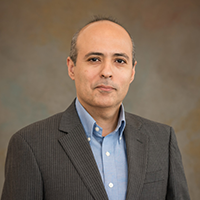 Amir Poursaee is an associate professor at the Glenn Department of Civil Engineering and Materials Science & Engineering at Clemson University. He received his Ph.D. in Mechanical Engineering from the University of Waterloo, Canada. After graduating in 2007, he joined Purdue University as Research Assistant Professor before joining Clemson University in 2011.
Dr. Poursaee's primary research areas include corrosion and electrochemical behavior of materials, especially corrosion of steel bars in concrete structures, materials science, and construction materials. He is a recipient of the prestigious Humboldt fellowship for experienced researchers. This award supported Poursaee’s collaboration with Max-Planck-Institut für Eisenforschung in Germany. He has co-authored over 70 peer-reviewed conference or journal publications, four book chapters, and edited two books in the field of corrosion.
Phil Randall | College of Arts and Humanities
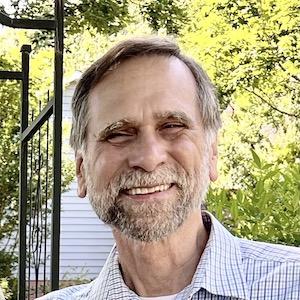 Phil Randall graduated from the University of Missouri-Columbia with a bachelor of journalism degree and spent much of his career in the news business. He has worked for the Greenville News, St. Petersburg Times, and USA Today, and other newspapers; written for Spartanburg Magazine; edited the Accreditation Standards of the Commission on Accreditation of Medical Transport Systems; and edited Elysian magazine.
He has a master's degree in professional communication from Clemson University and has taught at Clemson since 2004. He won the Holman Award for teaching in 2011. He has served as the faculty advisor for the Clemson Academic Team, the Advanced Writing Committee and Faculty Friends. He is a member of Faculty Commons and the Pearce Center faculty.
His special interests are Writing Across the Curriculum, Writing in the Disciplines, science and medical writing, and how science, technology and society have interacted to produce the world we live in.
Luke Rapa | College of Education
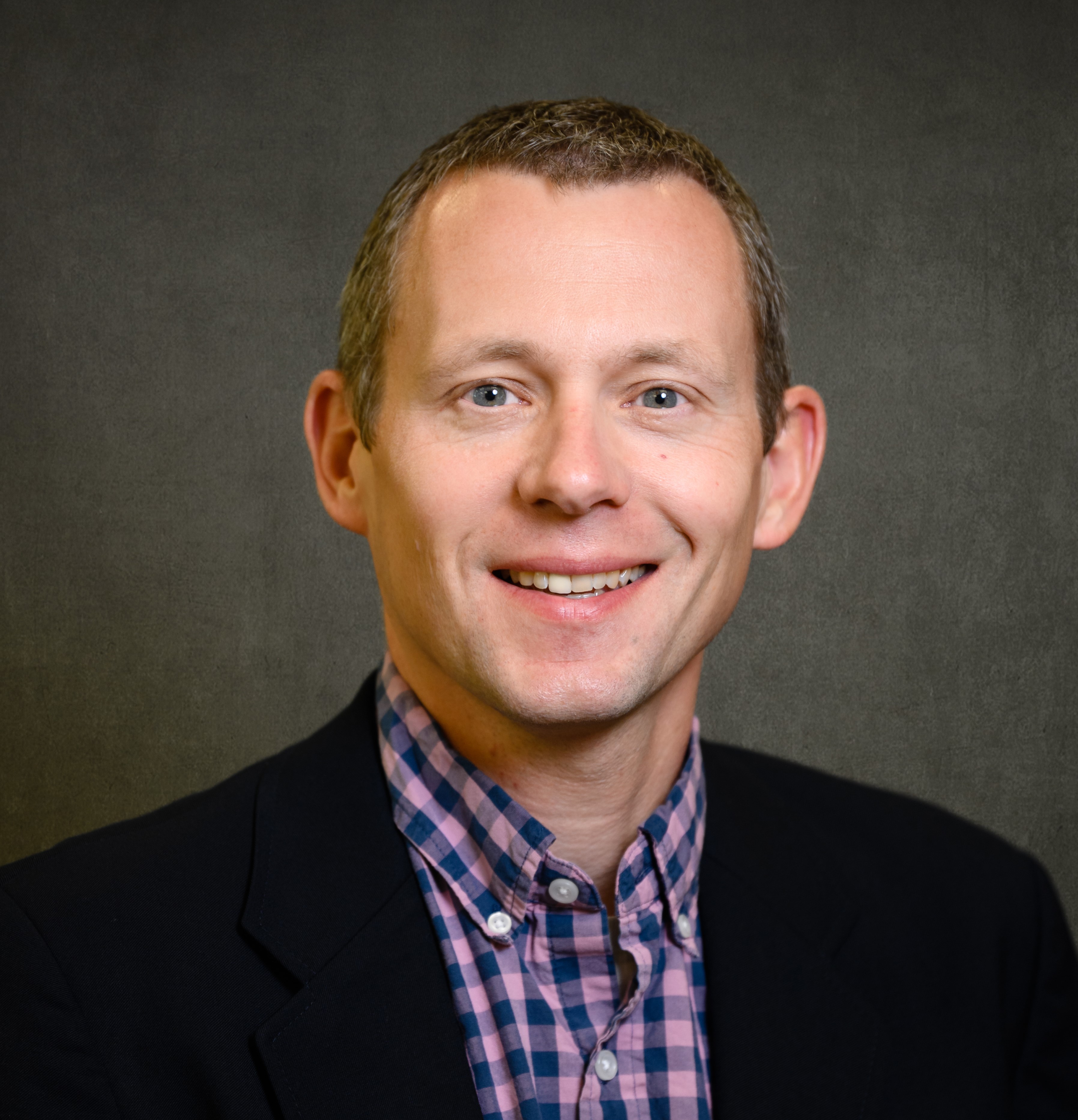 Luke J. Rapa received his Ph.D. in educational psychology from Michigan State University and is an associate professor in education and human development in the College of Education. Dr. Rapa's research rests at the intersection of developmental and educational psychologies, as he studies how contextual, sociocultural, and sociopolitical factors—including socioeconomic disadvantage, structural constraints, and societal inequality—shape key developmental and psychological processes and promote or constrain individual’s development and academic success. Rapa currently serves as an associate editor at Applied Developmental Science and he recently co-edited and published three books: Disproportionality and Social Justice in Education (2022), Critical Consciousness: Advancing Theory and Measurement (2023), and Developing Critical Consciousness in Youth: Contexts and Settings (2023). He was the College of Education’s Junior Researcher of the Year in 2022.
Satomi Saito | College of Arts and Humanities
 Satomi Saito, a native of Japan, earned an M.A. in Asian Studies from Cornell University and a Ph.D. in Cinema and Comparative Literature from The University of Iowa. His research interests include Japanese popular media, film and literary theory, and cultural studies. Before coming to Clemson, he taught at McGill University, Bowling Green State University, and Colgate University. At Clemson, he teaches Japanese language courses as well as Japanese media, literature, and culture.
Amanda Stover | College of Behavioral, Social, and Health Sciences
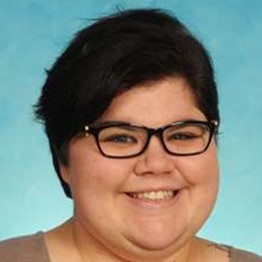 Amanda is an Assistant Professor in the Department of Public Health Sciences. She graduated with her Ph.D. in Health Services and Outcomes Research from West Virginia University. Before joining Clemson, she completed a postdoctoral assistantship at the University of North Carolina as part of a grant from the American Foundation for Suicide Prevention. Originally from Pittsburgh, PA, she started at Clemson in 2022. Her research and academic focus are on rural health, specifically Appalachian populations and the relationship between substance use and suicide risk.
Jong Han Yoon | College of Architecture, Art, and Construction
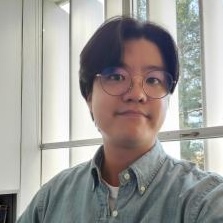 Jong Han Yoon (Jong-Han Yoon) is an Assistant Professor in the Nieri Department of Construction, Development, and Planning in Clemson University’s College of Architecture, Art, and Construction.
His research centers on emerging technology applications in construction projects and economic analysis of the applications. Specifically, his research focuses on 1) a blockchain-enabled smart contract system for environmental, social, and economic sustainability in the construction supply chain, 2) enhancing trust and ethics in construction projects through technology applications, 3) BIM-based digital twin and cyber-physical systems for the built environment, and 4) game-theoretic analysis of the impact of technology applications in construction projects.
He holds a Ph.D. in Building Construction (Georgia Institute of Technology), a master’s degree in Architectural Engineering (Ajou University), and dual bachelor’s degrees in Architectural Engineering and Business Administration (Ajou University).
Former Members
Elizabeth Baldwin | College of Behavioral, Social, and Health Sciences
 Dr. Elizabeth D. Baldwin is an Associate Professor in the Parks, Recreation & Tourism Management program at Clemson University. She holds a Ph.D. in Forest Resources from the University of Maine, a Master of Environmental Science from Miami University, and a B.A. in Art History from Hollins College. Her teaching portfolio spans undergraduate and graduate courses in recreation resource management, leadership and group dynamics, visitor services, qualitative research methods, and environmental interpretation. Dr. Baldwin’s research focuses on conservation social science, culturally sensitive natural resource management, place-based land ethics, human–nature connections, and sustainability of parks and protected areas. Her publications explore themes such as environmental history in conservation planning, community-defined sustainability, and social-ecological systems in protected landscapes. Her work integrates qualitative methodologies to deepen understanding of societal values and environmental stewardship.
Scott Brame | College of Engineering, Computing, and Applied Sciences
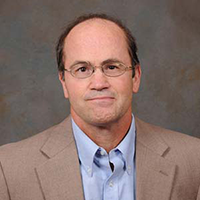 Scott Brame is an Assistant Professor and Research Associate in the Department of Environmental Engineering and Earth Sciences in the College of Engineering, Computing and Applied Sciences. His primary teaching and research interests are in modeling environmental and geological problems using spatial analysis techniques. His research efforts have been directed toward automating geographic information system software to create real-time spatial analysis applications. Project topics have included designing reverse osmosis systems for Constructed Wetlands, determining geologically suitable areas for construction of natural gas caverns using GIS, modeling steam extraction of heavy oil from the subsurface, and most recently creating a nationwide aquifer model.
He has a Bachelor of Science in Geologic Engineering from the New Mexico Institute of Mining and Technology and a M.S. in Hydrogeology from Clemson University.
John DesJardins |College of Engineering, Computing, and Applied Sciences
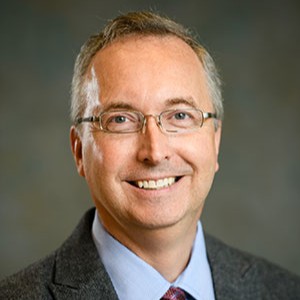 Dr. John C. DesJardins serves as the Hambright Distinguished Professor in Engineering Leadership and Interim Director of the Robert H. Brooks Sports Science Institute, where he supports interdisciplinary research, education, and innovation focused on engineering, sports science, medicine, and human performance. He works with faculty, staff, students, clinicians, and industry partners to advance translational research initiatives, develop innovative medical technologies, and strengthen collaborations that improve patient outcomes, athletic performance, and healthcare delivery.
In his faculty role, Dr. DesJardins continues to lead research and educational initiatives in orthopaedic biomechanics, joint replacement, sports medicine, prosthetics and orthotics, rehabilitation, and novel medical device design. His research focuses on understanding human movement and joint function, evaluating the effectiveness of surgical techniques and fracture-fixation systems, developing next-generation medical devices and rehabilitation technologies, and advancing innovation in engineering education. Dr. DesJardins earned his Ph.D. in Bioengineering, with an emphasis in Biomaterials Tribology, from Clemson University in 2006 and remains committed to mentoring undergraduate and graduate students engaged in translational orthopaedic and sports medicine research.
Brian Dominy | Undergraduate Learning
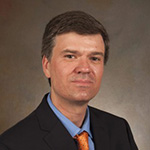 Dr. Brian Dominy serves as associate dean for undergraduate learning where he supports faculty, staff, and undergraduate students regarding the academic integrity and grievance processes, academic eligibility, undergraduate academic policies, and undergraduate program curricula (including the General Education and other university-wide curricular components). He also supports undergraduate students, staff, and faculty in the development and implementation of numerous programs and practices to mitigate success gaps and opportunity gaps within the undergraduate student population. In his faculty role, Dr. Dominy continues to support the education and professional development of numerous doctoral students through their research in the field of computational biophysical chemistry.
Tracy Fasolino | College of Behavioral, Social, and Health Sciences
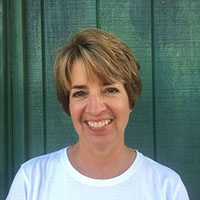 Dr. Fasolino is an Associate Professor in the School of Nursing in the College of Behavioral, Social, and Health Sciences. She teaches graduate level courses, focusing on preparing Advanced Practice Nurses. Dr. Fasolino has worked to expand and redesign simulation initiatives for undergraduate as well as graduate nursing students. She has an active NP practice with Bon Secours St. Francis Health System, Greenville, SC in the inpatient and outpatient Palliative Care Clinic. She completed her BSN in 1993 from Clemson University. She pursued her Master’s Degree at the University of Texas-Health Science Center, graduating in 2001 as a Family Nurse Practitioner with emphasis on Emergency Medicine. She attended University of South Carolina and graduated with a PhD in Nursing Science in 2010. She has received several awards during her academic education for excellence, innovation, and promising research.
Nicole Martinez | College of Engineering, Computing, and Applied Sciences
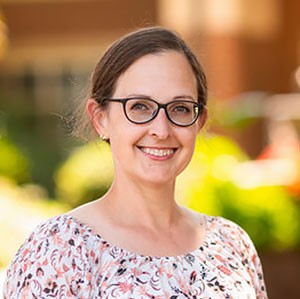 Dr. Nicole Martinez joined Clemson University in August 2014 as part of a unique departmental program designed to address broad environmental issues associated with anthropogenic and natural radioactivity. As of 2019 she also holds a joint faculty appointment at Oak Ridge National Laboratory in the Center for Radiation Protection Knowledge. Dr. Martinez received her M.S. and Ph.D. in Radiological Health Sciences from Colorado State University, specializing in health physics and radioecology, respectively. Prior to attending graduate school, she served in the United States Navy as a nuclear power instructor and radiation health officer, after which she worked for about a year in industry.
Dr. Martinez’s current research focuses on dosimetric modeling and the behavior and effects of radiological contaminants in the environment for applications ranging from risk assessment to biosensing. In addition, she is interested in non-technical issues relevant to the field, such as the roles of ethics, art, and culture in science and engineering. She is a Certified Health Physicist, a member of Committee 4 of the International Commission on Radiological Protection, and a member of the National Council on Radiation Protection and Measurements.
Hope Parnell | Wilbur O. and Ann Powers College of Business
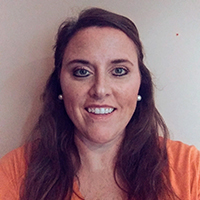 Hope came to Clemson after a career in the pharmaceutical industry where she managed accounts throughout SC, NC, and GA. Throughout her career, Hope has worked in various specialty areas, including gastroenterology, endocrinology, pain management, respiratory/allergy, and pediatrics. Here at Clemson, she is a Lecturer in the College of Business and teaches Executive Leadership and Entrepreneurship (ELE 3010), Venture Growth (ELE 4030) and Principles of Management (MGT 2010). Additionally, she also served as the manager of the Regional Entrepreneurial Development Center, advisor for the Clemson Technology Villages program, faculty lead for a creative inquiry, and is currently the faculty advisor for Delta Sigma Pi. Hope lives in Belton with her husband and children.
Kirby Player | College of Agriculture, Forestry, and Life Sciences
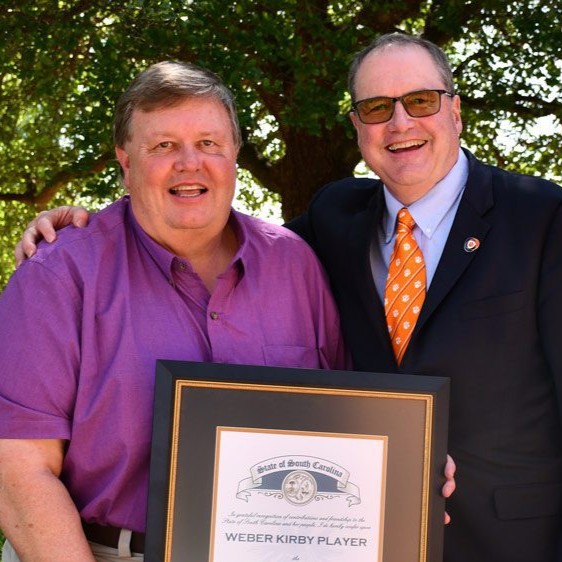 Dr. Kirby Player is a dedicated agricultural educator, leader, and mentor with over three decades of service at Clemson University. A three-time Clemson graduate, he earned his bachelor’s degree in Agricultural Education (1983), master’s degree in Parks, Recreation and Tourism Management (1987), and a Ph.D. in Therapeutic Recreation (2015). At Clemson, Dr. Player serves as a lecturer and as the coordinator of the Palmetto Leadership Program for the Environment, Agriculture and Forestry (Palmetto LEAF)—a premier program focused on developing leadership capacity within natural resources, agriculture, and forestry sectors in South Carolina and beyond. Under his leadership, Palmetto LEAF has become one of the select global leadership programs of its kind, now recruiting its fourth cohort. Dr. Player’s lifelong commitment to advancing agriculture, fostering leadership, and strengthening community engagement was recognized in 2025 with the Order of the Palmetto, South Carolina’s highest civilian honor, awarded for extraordinary service and contributions to the state. His work embodies Clemson’s land-grant mission of education, research, and service and has profoundly influenced students, alumni, and agricultural professionals statewide.
Lior Rennert | College of Behavioral, Social, and Health Sciences
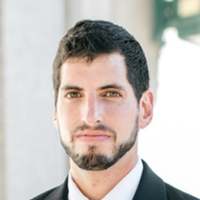 Lior Rennert is an Assistant Professor of Biostatistics in the Department of Public Health Sciences. He engages in collaborative health research with the department and the Greenville Health System, as well as the development of statistical methods for various public health studies and data sets. Dr. Rennert is currently co-leading modeling efforts to evaluate various COVID-19 testing strategies for Clemson University.
Jill Shelnut | College of Education
 Dr. Jill Shelnut is a Senior Lecturer in Early Childhood Education at Clemson University’s College of Education. A lifelong educator, she earned her Ph.D. in Special Education (2020), M.Ed. in Special Education (1999), and B.A. in Early Childhood Education (1998), all from Clemson University. Dr. Shelnut brings extensive experience as an early childhood teacher, special education teacher, and early interventionist to her work preparing teacher candidates for successful careers in diverse educational settings. Her instructional focus emphasizes best practices in early literacy, critical issues in early childhood, and preservice teacher preparation. She teaches a wide range of undergraduate and graduate courses in early childhood and special education, and her scholarship centers on critical issues in early childhood, early childhood trauma, and effective preparation of future educators.
Andy Tennyson | College of Science
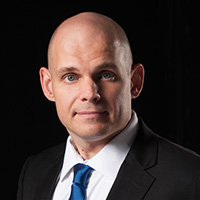 Dr. Andy Tennyson is an Associate Professor in the Departments of Chemistry & Materials Science and Engineering at Clemson University. His principal research directions are (1) exploring the fundamental mechanisms of redox therapeutics for cancer and stroke, and (2) creating sustainable structural materials with negative carbon-footprints. At Clemson, Andy teaches multidisciplinary chemistry lecture and lab courses.
Andy received a Chemistry BS (w/ Honors) and MS from the University of Chicago in 2003, then a PhD from MIT in 2008. From 2008–2010, he was a postdoctoral fellow at the University of Texas at Austin. Andy joined Clemson in 2010 as an Assistant Professor and was tenured/promoted to Associate Professor in 2017. More recently, he was on sabbatical at the Air Force Research Lab in Colorado Springs as a National Research Council Senior Research Fellow.
Matthew Turnbull | College of Agriculture, Forestry, and Life Sciences
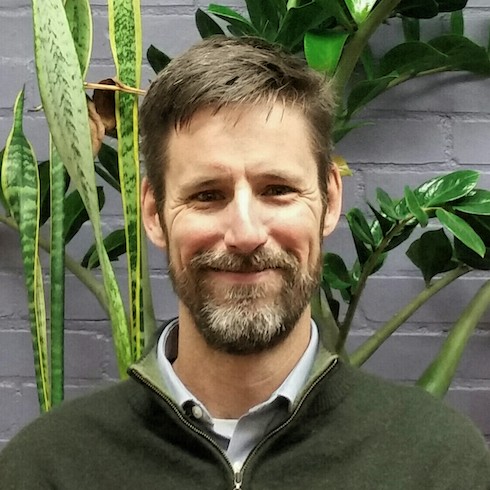 Dr. Matthew W. Turnbull is an Associate Professor in the Department of Plant and Environmental Sciences with a joint affiliation in Biological Sciences at Clemson University. He earned his Ph.D. in Entomology from the University of Kentucky, an M.A. in Biology, and a B.S. in Biology from the College of William & Mary. Dr. Turnbull teaches courses ranging from insect physiology and molecular biology to biodiversity and senior seminars on topics including bioelectricity and symbioses. His research focuses on the integrative biology of insects, including the molecular biology and cell physiology of gap junction proteins (innexins), virus-encoded homologues from polydnaviruses, and the bioelectric patterns in developing and regenerating insect guts. His work has contributed to understanding insect physiology and evolution and has potential applications in agricultural pest management. Dr. Turnbull is actively involved in scholarly research, publishing in areas spanning insect cell biology, host–virus interactions, and ecological physiology.
Brandon Turner | College of Behavioral, Social, and Health Sciences
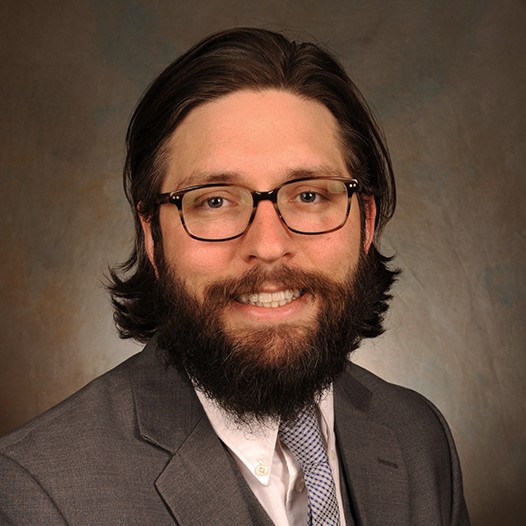 Dr. Brandon P. Turner, Ph.D., is a Lyceum Professor for the SISC and Associate Professor in the Department of Political Science. He has been a Visiting Fellow at American University and a Visiting Assistant Professor at Wake Forest University. Turner earned a B.A. in Political Science, Philosophy, and History from Miami University of Ohio (2004) and his M.A. and Ph.D. in Political Science from the University of Wisconsin-Madison (2008).
Turner's research interests include the history of modern political thought, particularly British liberal thought, as well as theories of republicanism. He has written on Mandeville, Hobbes, Tocqueville and Marx, among others. Turner's paper on "La Mandragola and Antagonism in Machiavelli's Political Thought" was awarded the Review of Politics Award for best paper in normative political theory at the 2012 Midwest Political Science Association conference, and his articles and reviews have appeared in Political Theory, Polity, the Review of Politics, and Perspectives on Political Science.
Reed Watson | Wilbur O. and Ann Powers College of Business
 Reed Watson is the Director of the Hayek Center for the Business of Prosperity and a Professor of Practice in the John E. Walker Department of Economics at Clemson University where he facilitates learning, but refuses to teach. At Clemson, he and his Hayek Center colleagues are dedicated to understanding how competition in the marketplace advances human flourishing, focusing in particular on healthcare and labor markets. He also coordinates the business professionalism curriculum in the Wilbur O. and Ann Powers College of Business. Watson spent the first part of his career examining the economics of natural resource management, focusing on the legal institutions governing public lands, water, and wildlife resources. His writings have graced or disgraced the pages of several books, academic journals, and newspapers including the Wall Street Journal and New York Times. Only once did a reader care enough to send a death threat. Prior to joining Clemson University, Watson was Executive Director of the Property and Environment Research Center (PERC) in Bozeman, Montana. Prior to that, he built convenience stores, sold running shoes, and pedaled bicycles for money, but never at the same time. He is a 2004 graduate of Clemson University and a 2008 graduate of Duke University. With his wife, Kathryn, and sons, Ben and Sam, the Watson family calls Clemson home.