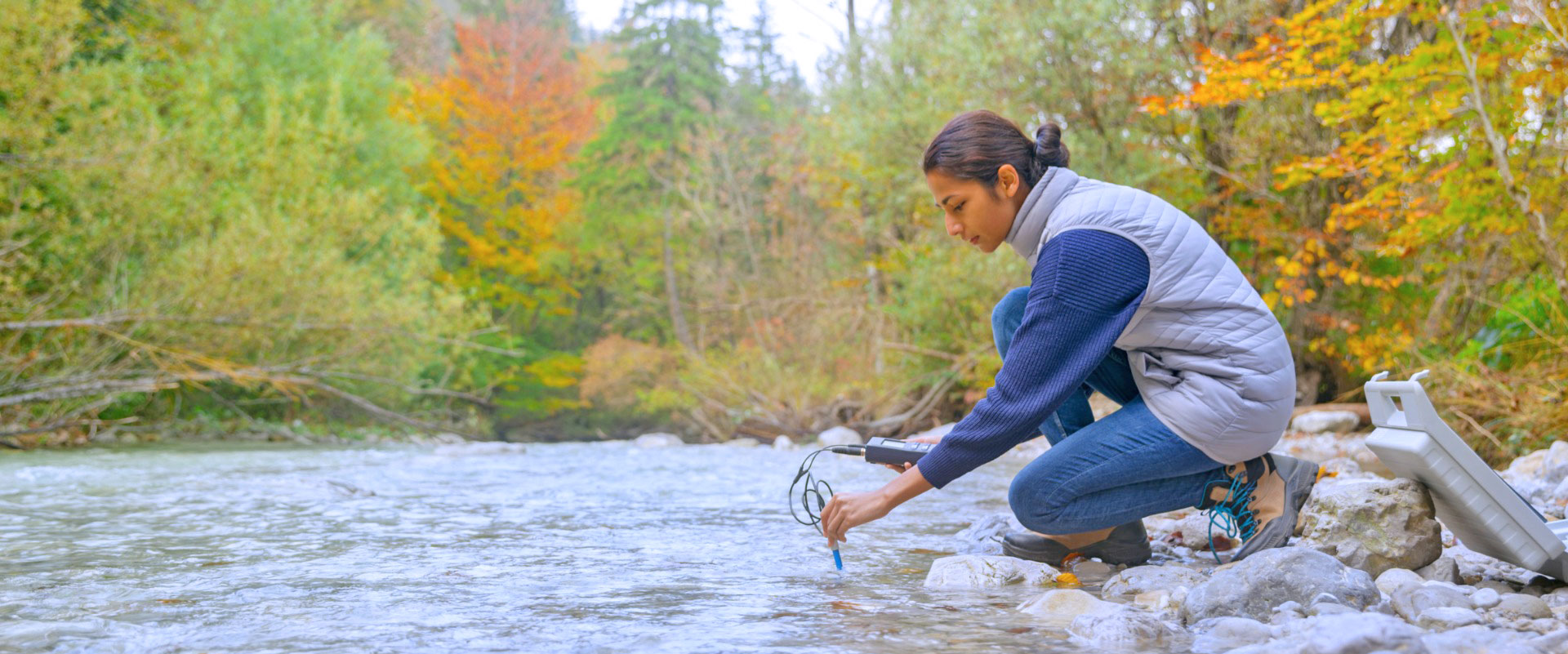
Global Impact
The Environmental Engineering and Earth Sciences faculty is committed to defining the future of engineering in the environment - clean water, dry land, and improved air quality. We aim to build relationships across the college and industry, develop engineers who have a global impact and foster an inclusive environment.
Our overarching goal is to be recognized as a top institution laser-focused on working on environmental issues that impact how we build, work, and create the quality of our environment.
Our Faculty Outreach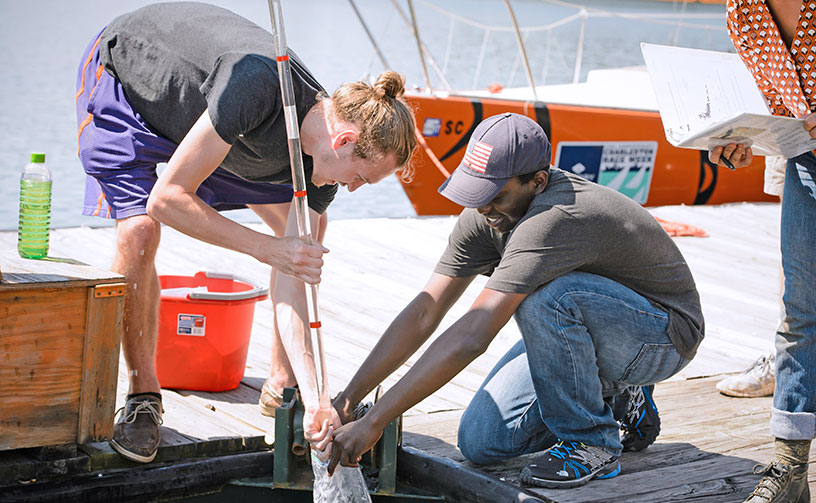
Academic Excellence
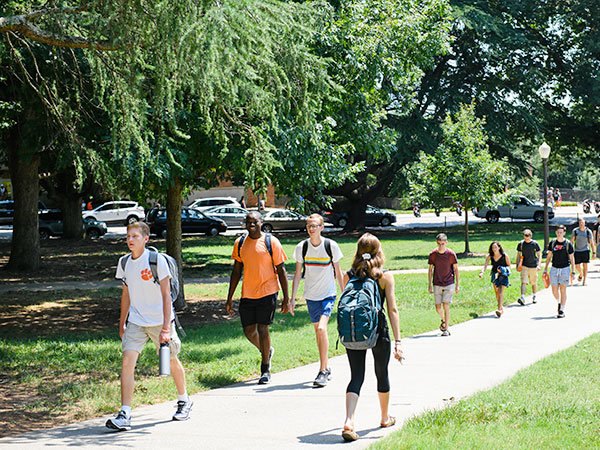
The Department of Environmental Engineering and Earth Sciences has a synergistic blend of environmental engineering, biosystems engineering, environmental science, geology and earth sciences, and nuclear environmental engineering and science. We offer undergraduate and graduate programs leading to a B.S., M.S., or Ph.D. Our programs are nationally recognized for their quality. The environmental engineering and science graduate program has been consistently ranked in the top 25 by U.S. News and World Report. Our graduates find employment across the United States. Today, more than 1000 people have earned graduate degrees from EEES.
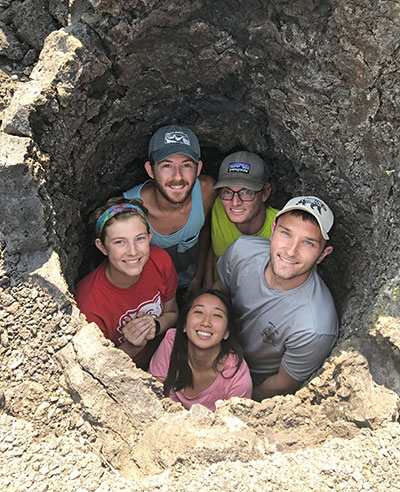
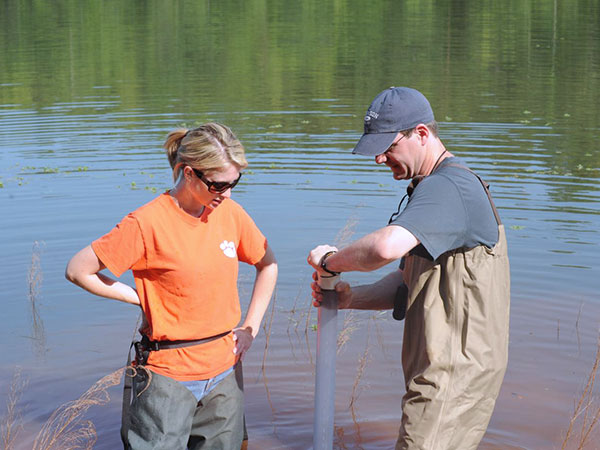
We offer a unique summer hydrogeology field course that gives graduate and undergraduate students hands-on experience with field methods for vadose zone and groundwater system characterization, geophysics, and contaminated site characterization. This course is based in Clemson, where we have access to our own well field and instrumented watersheds in the Clemson University Experimental Forest.
Undergraduate Programs Graduate Programs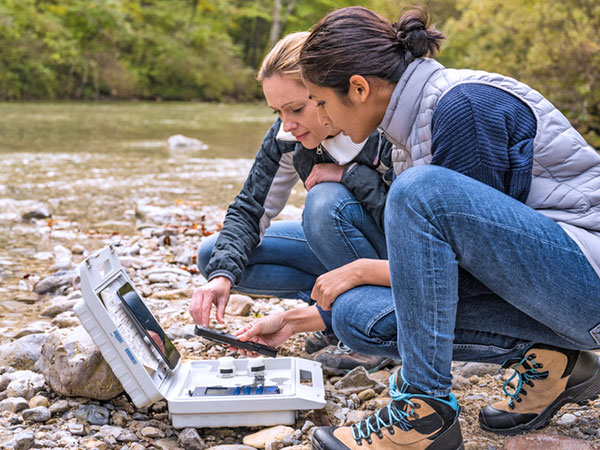
EEES Notes
The Department of Environmental Engineering and Earth Sciences would like to recognize our students, faculty, and staff for their continued pursuit of making a lasting impact on the future.
News & Celebrations
Our mission is to instill qualities that foster professional, technological and scientific leadership in our discipline. Our diverse, dynamic, talented faculty and comprehensive curriculum provide our students with a rich, scholarly, and challenging educational experience.
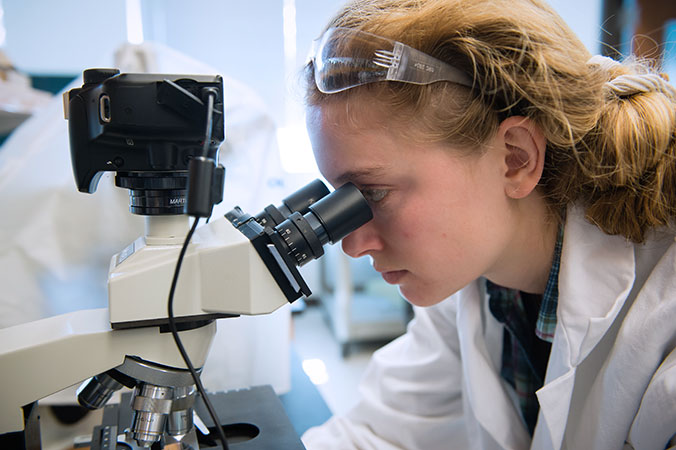
Lasting Impacts
The Environmental Engineering and Earth Sciences Department alumni are an integral part of the Department's extended family. We partner with alumni and friends to extend the opportunities for our students in academics and research.
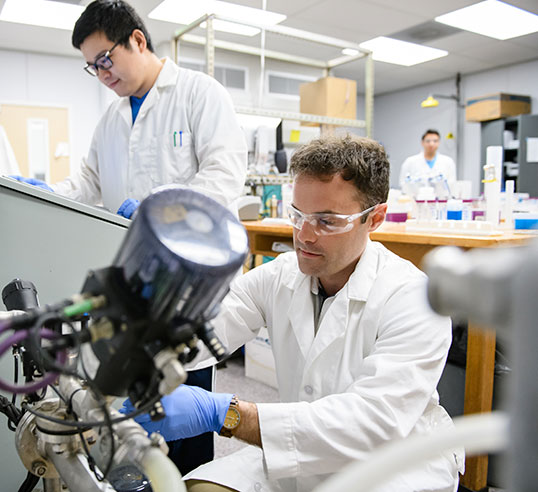
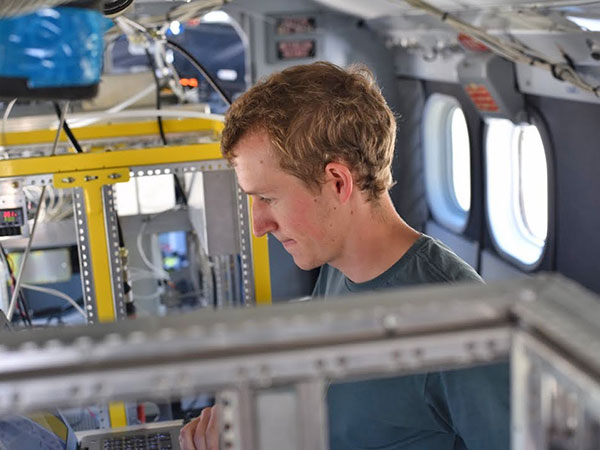
One of the key engines behind advanced research is state-of-the-art instrumentation. The Department took a big leap forward in acquiring new tools recently.
One of these instruments is already being used in research to detect PFAS at ultra-low concentrations and quantify PFAS and other water contaminants.
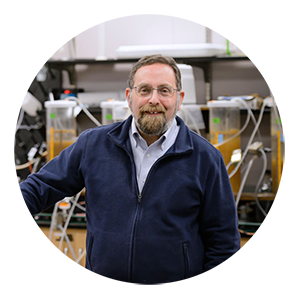
“Our department is unique in that environmental engineering, biosystems engineering, and earth sciences are housed within the same academic unit. This affords an opportunity to explore innovative and synergistic approaches for preparing our students to tackle complex environmental problems in both engineered and natural systems in the 21st century.”
David FreedmanDepartment Chair
Awards & Recognitions
The faculty and students within the Environmental Engineering and Earth Sciences Department advance the college and the university through their outstanding research efforts. Student recognition includes a Fulbright Scholarship winner, an NSF Fellowship recipient, and national design competition winners.
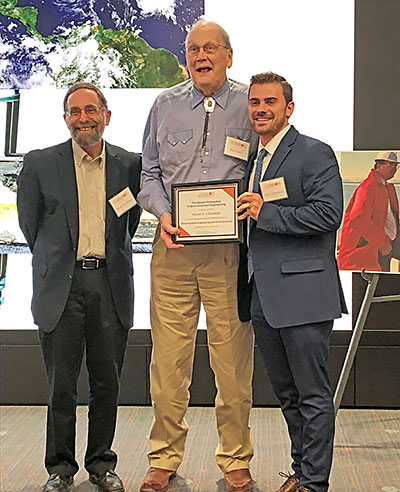
Our program is the only one in the nation with three faculty members (Linvil G. Rich, Thomas M. Keinath, and C.P. Leslie Grady, Jr) honored with the prestigious Founders Award by the American Association of Environmental Engineering and Science Professors. Currently, six faculty members serve as editors or on the editorial advisory boards of prominent journals. The department houses four National Science Foundation (NSF) CAREER award recipients - the highest honor given to young faculty by the National Science Foundation. EEES faculty have also published five books in the past decade.
Faculty Awards Student Awards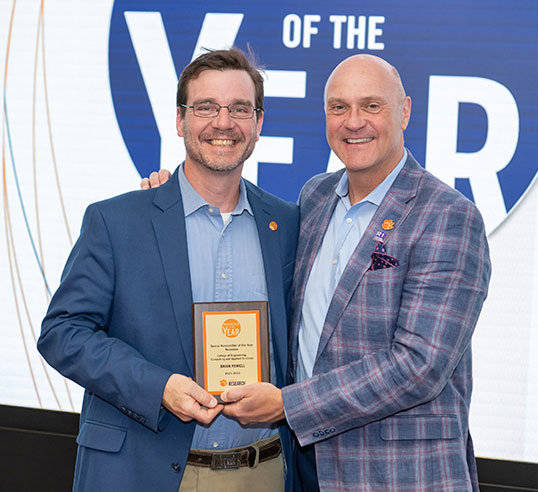
Department Focus
Mission
The mission of EEES is to educate environmental engineers, environmental scientists, and earth scientists; to contribute to the environmental education of students throughout the university; to instill in students qualities that foster professional, technological and scientific leadership in our discipline; and to generate new knowledge that will enable humanity to progress in a sustainable manner.
Vison
The Department of Environmental Engineering and Earth Sciences will be a national leader in interdisciplinary undergraduate and graduate education, research and outreach in environmental engineering, environmental science, geology, and hydrogeology through the intellectual, professional and human development of our students, staff and faculty.
Our HistoryAn academic department within the School of Civil and Environmental Engineering and Earth Sciences
