About
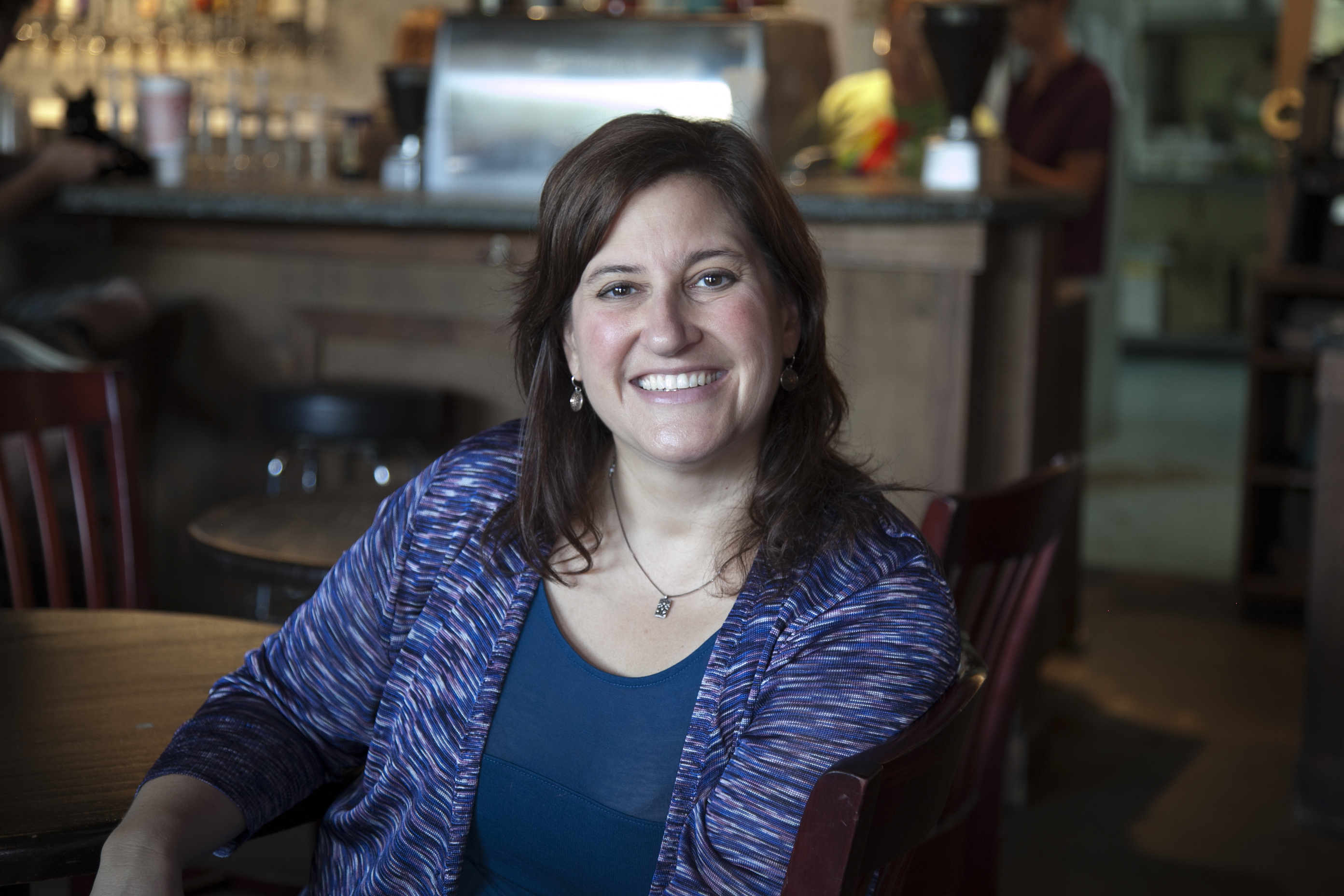
Emily Hirsh is an associate professor in the Department of Emergency Medicine at Prisma Health–Upstate and the Director for Faculty Well-being and Resiliency in the Department of Emergency Medicine. Her work at this time largely focuses on physician wellbeing, sustainable practice, and burnout prevention. She is interested in evaluating how the health system can increase physical and emotional wellness and one’s sense of purpose and meaning in medicine, and how tasks can be minimized or eliminated which decrease one’s sense of satisfaction with work and one’s ability to care for self well. She has multiple ongoing projects in conjunction with Clemson faculty:
- Creating a Fatigue Risk Management System in the Department of Emergency Medicine (with Tom Britt and Patrick Rosopa)
- Extra-Clinical Duties and their Impact on Physician Well-Being (with Tom Britt)
- Burnout and Well-being self-assessment survey app (with Marissa Shuffler)
- Workarounds and health system brittleness (with Marissa Shuffler, Sudeep Hegde, Cullen Jackson, and Steven Foster)
- Physician Schedule Preferences and Modeling an Ideal EM Physician Schedule (with Kevin Taaffe)
How their research is transforming health care
Research is clear that burnout is of epidemic proportions. Previous mitigation efforts centered on individual resilience practices: meditation, relaxation, taking time off, etc. Now increasing research demonstrates that the primary sources of burnout lie with the systems in which we work. Therefore, in order to mitigate or prevent burnout, we must rethink those very systems. Most of Dr. Hirsh’s work involves evaluating and restructuring the systems currently in use in health care, both locally and nationally. She is currently working on projects which reconsider how health systems schedule emergency physicians (similar to work performed by the military, police, nuclear, trucking, and other 24/7 industries); how these old structures lead to physician fatigue and burnout; and how to create new structures that can mitigate or
prevent the fatigue inherent in 24/7 operations. She also has performed a multi-year evaluation of the degree of satisfaction vs burnout in emergency physicians, and the causes of both, with an effort to mitigate or eliminate the “thorns” that lead to dissatisfaction.
Health research keywords
Burnout, Wellbeing, Chronotype, Sleep, Scheduling, Fatigue, Fatigue Risk Management, Extra-Clinical Duties, Emergency Physicians, Emergency Medicine
