About
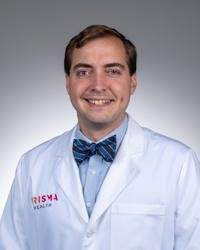
Dr. Timothy Depp is a board-certified emergency physician and Clinical Associate Professor of Emergency Medicine at the University of South Carolina School of Medicine–Greenville. He serves as Medical Director of the North Greenville Hospital Emergency Department and as GME Director of Global Health for Prisma Health–Upstate. His interests center on global emergency medicine, health systems strengthening in low- and middle-income countries (LMICs), diagnostic accuracy in resource-limited settings, and medical education.
Dr. Depp earned his MD from the University of Pittsburgh School of Medicine and completed residency training in Emergency Medicine at the University of South Carolina. He holds an MPH from Columbia University, where he completed a fellowship in Global Emergency Medicine.
He has served as a visiting professor and physician educator in Rwanda, Guyana, Haiti, India, and Uganda, with a focus on capacity building, faculty development, and residency training. His collaborative research has been published in AIDS, JAC–Antimicrobial Resistance, and Frontiers in Education, and has focused on ethics, the use of biomarkers in febrile illness, and lung disease states in HIV. He has worked previously with MSF and the IRC on projects in clinical research and quality improvement.
Dr. Depp is an active mentor for medical students and residents, both domestically and internationally. He is a Fellow of the American College of Emergency Physicians and a member of the Society for Academic Emergency Medicine. In addition to his academic and clinical work, he is engaged in conservation ecology projects in Greenville County, South Carolina.
How their research is transforming health care
My clinical, academic, and research endeavors are centered on advancing the quality, accessibility, and equity of emergency medical care across diverse healthcare systems. With a dual background in emergency medicine and public health, I have focused my efforts on strengthening emergency care delivery in both high-resource and resource-constrained environments. My work has contributed meaningfully to the development of context-appropriate diagnostic and management strategies for acute illness, particularly in low- and middle-income countries.
Through sustained global partnerships, I have contributed to capacity-building initiatives, including curriculum development, faculty training, and health systems research. My contributions to international collaborations—such as those with the MSF, IRC, and academic institutions—have supported the advancement of evidence-based practices in emergency care, improved patient safety, and promoted the ethical delivery of global health education.
In addition to my global health leadership, I remain actively engaged in mentoring the next generation of healthcare professionals, integrating global perspectives into medical education, and supporting locally driven solutions to systemic healthcare challenges. My scholarship, including publications on biomarker use in febrile illness and cultural humility in global emergency medicine education, reflects a commitment to inquiry, health equity, and sustainable impact.
My work exemplifies a model of service-oriented academic medicine, with contributions to clinical education, health systems improvement, and the development of resilient emergency care frameworks.
Health research keywords
Emergency Medicine, Emergency Department Operations, Infectious Disease Emergencies, Migrant and Refugee Health, Global Emergency Medicine, Rural and Remote Emergency Care, Biomarkers in Febrile Illness, Quality Improvement, Patient Safety and Systems-Level Research, Graduate Medical Education, Human–Environment Health Intersections, Emerging Infectious Disease, Pollinator and Ecosystem Health
