
Overview
The AMPSC program focuses on four commodities: Peanuts, Leafy Greens, Forages for Beef Cattle, and Forest Products.
A support team of field associates and scientists will work with participants to implement new growing practices and monitor changes in carbon and other greenhouse gases associated with these practices.
-
Peanuts
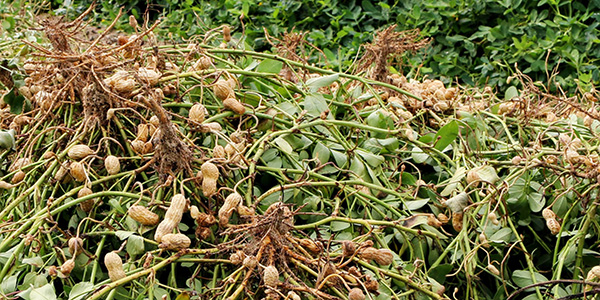
Peanuts are an important crop in South Carolina, valued for their role as food and oilseed. Grown commercially in South Carolina since around 1800, peanuts are prized for their versatility and are used in local cuisine and the global food industry.
Why Peanuts?
Peanuts are big business in South Carolina. Generating around $73 million in 2022, South Carolina's peanut industry ranks sixth in the United States and provides crucial jobs and income. As part of the legume family, peanut plants have roots containing special bacteria that can pull nitrogen from the air and help the plants to grow. When the peanut plants decompose, they release nitrogen that other plants can use, reducing the need for extra fertilizer. AMPSC will help ensure that South Carolina's peanut industry continues to thrive and grow sustainably.
-
Leafy Greens
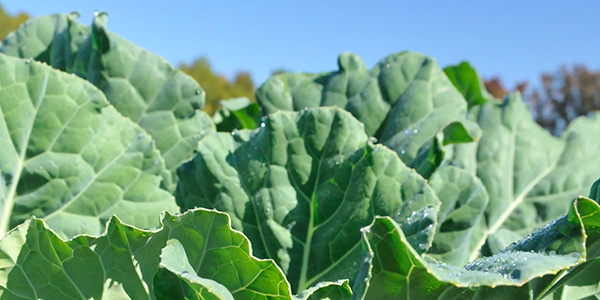
South Carolina is one of the top leafy greens producers in the United States. Collards, kale, cabbage, broccoli, cauliflower, Brussels sprouts, kohlrabi, turnips, bok choy, rapini, mustard, chard, beets, spinach, arugula, endive, and escarole are commercially grown in all three of South Carolina's main geographic regions: the Sandhills, the Piedmont, and the Coastal Plain. While generally considered cool season crops, South Carolina farmers harvest nearly a quarter of their annual leafy greens production during the summer. Packed with nutrients and flavor, leafy greens are featured prominently in southern cuisine and South Carolina's culinary history.
Why Leafy Greens?
Abundantly grown throughout the state, leafy greens are an essential part of South Carolina's agricultural landscape. Leafy greens are fast-growing and cold-tolerant, making them a versatile and hardy crop for SC growers. Healthy, well irrigated soil is key to growing leafy greens, particularly in the fast-draining, dry Sandhills region where much of South Carolina's production occurs. Using NRCS conservation practices helps ensure that South Carolina is able to grow high-quality greens for years to come.
-
Forages For Beef Cattle
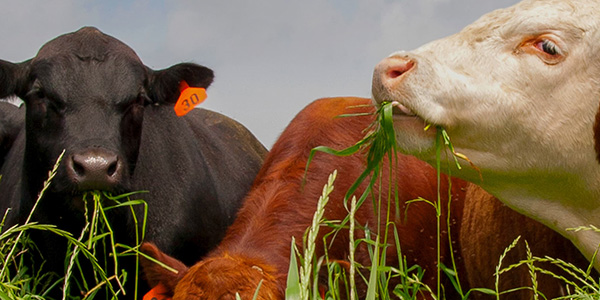
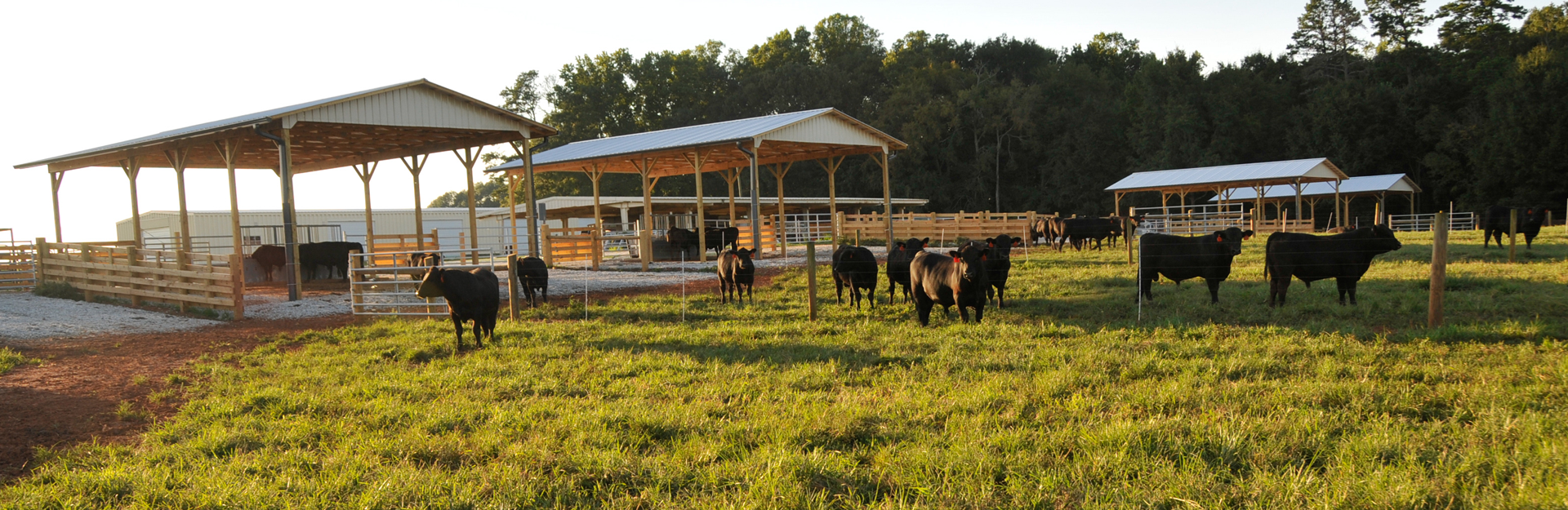
There are approximately 8,000 beef production operations and over 340,000 head of cattle statewide. Due to concerns about sustainability in the beef industry, there has been increased interest in improving management practices to enhance production while using resources more efficiently. AMPSC beef farmers are implementing conservation practices that will sustain and grow their herds while enhancing resilience and sustainability.
Why Forages For Beef Cattle?
Most livestock systems are cow-calf operations that are based on perennial grasses. AMPSC provides improved management strategies through incorporation of legumes, use of poultry litter, and rotational grazing management. These practices help improve forage production, quality, and animal performance while optimizing soil fertility and health. NRCS conservation practices for beef cattle systems also help improve forage stand longevity, efficiency of nutrient use and forage harvested, and enhance the resilience and sustainability of livestock-forage systems.
-
Forest Products

With 13 million acres of forestland, South Carolina is one the most forested states in the U.S. These forests create beautiful landscapes that fuel the timber industry and provide critical wildlife habitat while stabilizing soil, mitigating temperatures, and providing fresh water and air. Nearly 90% of South Carolina's forests are privately owned, and over half of these are owned by families.
Why Forest Products?
The forest industry contributes $23.2 billion annually to South Carolina's economy, generating over 100,000 jobs and an annual payroll of $5.5 billion. In addition to adopting practices that will enhance timber quality, the participation of family forest owners in AMPSC will help ensure that our state's forests are productive and resilient. AMPSC will incentivize and provide support for family forest owners implementing NRCS conservation practices for forest management. Researchers and Extension specialists will help forest owners choose the best program area for their forestland and can connect participants with local foresters and contractors. Data collected from enrolled forestland will inform studies about the outcomes of implementing NRCS conservation practices.
