
Overview
The AMPSC project supports the adoption of NRCS Conservation Practice Standards (CPS) that enhance soil health, water quality, and overall farm sustainability across its key commodities: peanuts, leafy greens, forages for beef cattle, and forestry.
Each commodity group includes a tailored set of conservation practices designed to improve productivity while promoting long-term environmental stewardship. By participating in these practices, producers can strengthen the resilience and profitability of their operations while contributing to broader conservation goals.
-
Peanuts
- Cover cropping (CPS 340) means planting specific crops in the off-season to control weeds, combat soil erosion, enhance soil fertility, and retain soil moisture. Cover crops can also support populations of pollinators and other beneficial organisms.
- Crop residues (CPS 329) are agricultural waste materials like stalks, leaves, and seed pods. Leaving crop residues on the soil surface protects against erosion, retains soil moisture, and helps peanuts grow better.
- Reduced tillage (CPS 329) means disturbing the soil less when planting, which makes the soil healthier and prevents the loss of organic matter.
-
Leafy Greens
- Grown during off-seasons, cover crops (CPS 340) can increase cash crop stability and profitability. Cover crops help reduce soil erosion, raise soil moisture holding capacity, improve soil structure, reduce weed seed banks, increase soil fertility and organic matter, and support pollinators and other beneficial organisms.
- Employing reduced or no-till practices (CPS 345) can enhance soil structure, reduce erosion, promote biological activity, increase weed seed predation, and allow soil to retain more organic matter. Because of more available soil moisture and organic content, this can reduce long-term production costs while increasing long-term productivity.
- Mulching (CPS 484), or covering the surface of soil with a protective layer of organic or inorganic material, helps maintain soil temperatures, retain moisture, suppress weeds, and reduce erosion.
-
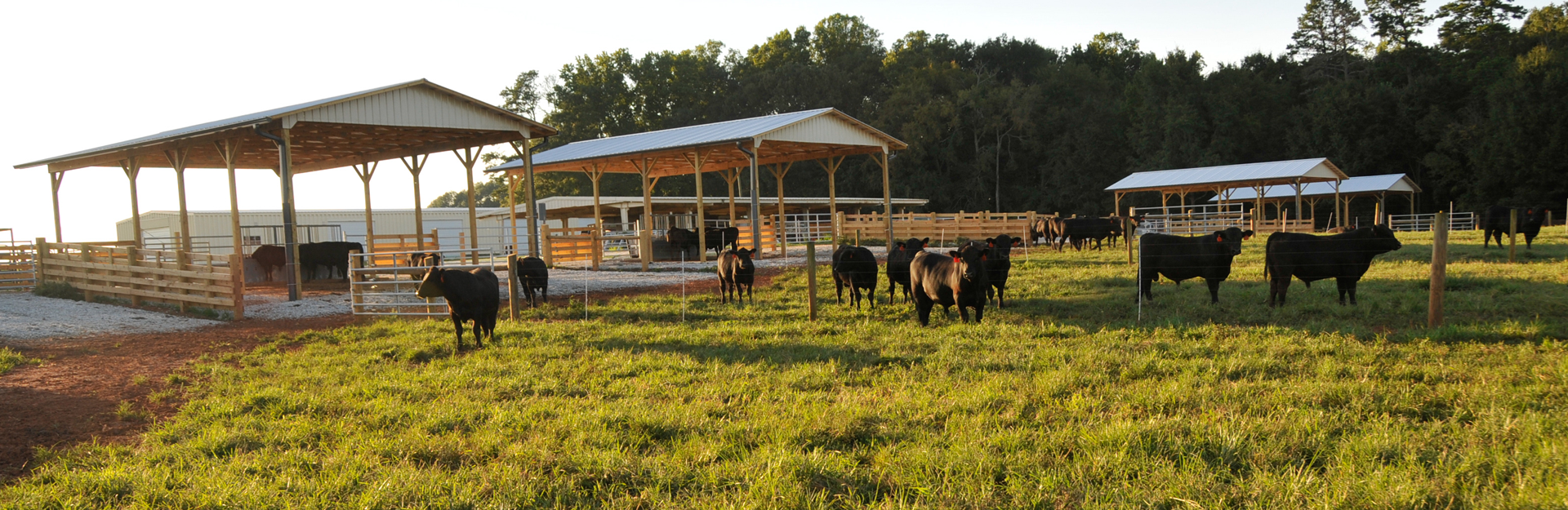
Forages For Beef Cattle
- Incorporation of legumes (CPS 512) captures atmospheric nitrogen and convert it into compounds that plants can use. Using forage legumes contributes to enhanced forage production, animal performance, nutrient cycling, and sustainability of forage-livestock systems. When incorporated into forage systems, they can also reduce the need for inorganic N fertilizer input.
- Rotational grazing (CPS 528) divides pastures into smaller paddocks that are used to rotate animals under a recommended frequency specific to the forage species used. This practice can help improve water quality and livestock health while reducing soil erosion.
- Application of poultry litter (CPS 590), a by-product of poultry production containing feces, wasted feed, water, feathers, and bedding material, is used to provide nitrogen (N), phosphorus (P), potassium (K), and micronutrients for forage systems.
- Portable fencing (CPS 382) is used to create barriers to control the movement of livestock and accomplish specific production and conservation objectives such as pasture management, erosion control, and to achieve specific water and feeding requirements.
- Application of lime (CPS 805) can be applied to pastures to adjust soil pH and improve plant growth, soil health, and nutrient use efficiency.
-
Forestry
- Tree/Shrub Establishment (CPS 612) supports the planting or natural regeneration of trees and shrubs to establish or restore forest stands. This practice helps enhance biodiversity, improve soil stability, increase carbon sequestration, and promote long-term productivity and ecosystem resilience.
- Forest Stand Improvement – Thinning/Harvesting (CPS 666) involves selectively removing trees to improve the health, composition, structure, and productivity of a forest stand. By reducing competition among trees, this practice enhances forest vigor, resilience to pests and disease, and overall habitat quality.
- Forest Stand Improvement – Prolonged Rotation (CPS 666) delays the final harvest of a stand to allow trees to reach larger diameters, improve wildlife habitat, and increase carbon storage. Extending rotation ages can also enhance ecosystem services and the long-term sustainability of forest management systems.
- Prescribed Burning (CPS 338) is the controlled application of fire to a predetermined area under specific environmental conditions. This practice reduces hazardous fuel loads, promotes regeneration of desired vegetation, improves wildlife habitat, and enhances nutrient cycling, contributing to overall forest health.
- Site Preparation (CPS 490) includes mechanical, chemical, or prescribed fire treatments and is used to prepare land for successful tree or shrub establishment.
- Herbaceous Weed Treatment (CPS 315) involves the targeted control of herbaceous weeds that compete with desired forest vegetation. Managing weed pressure during the establishment phase promotes healthy tree growth, enhances survival rates, and improves long-term forest productivity.
