
Overview
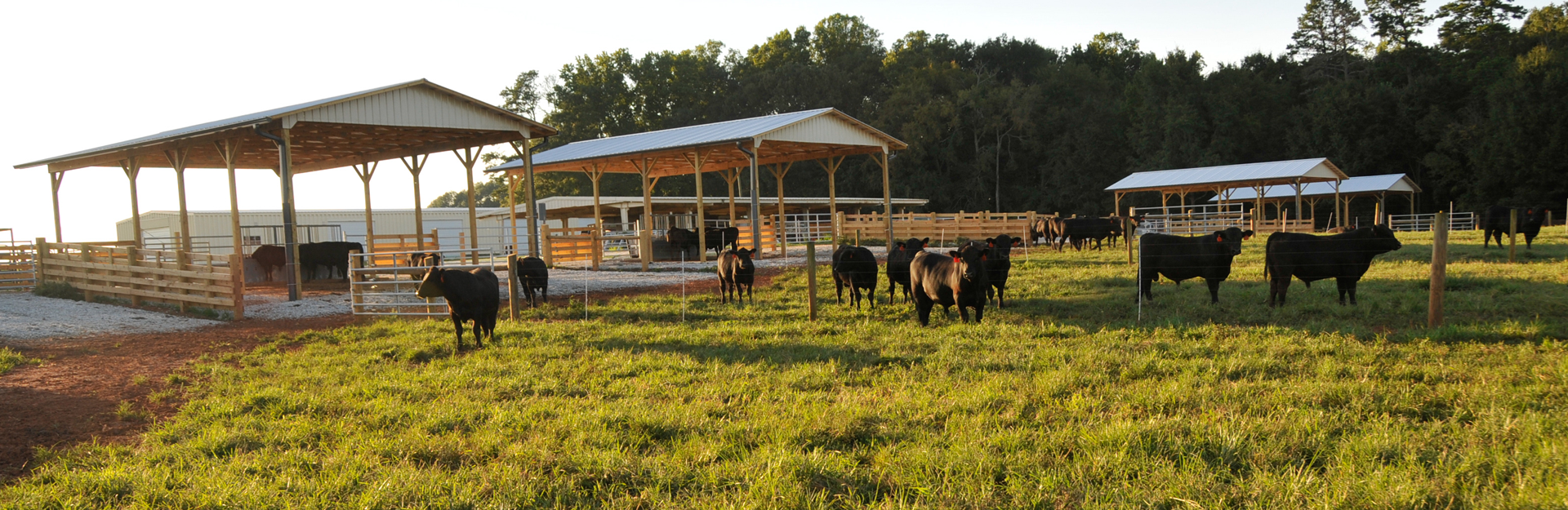
Advancing Markets for Producers in South Carolina has an amazing team of researchers studying how NRCS conservation practices affect the environment. Whether it's measuring gas fluxes, sampling pollinators, or surveying for birds, AMPSC is collecting vital data while its participants implement conservation practices.
-
Pests & Pollinators
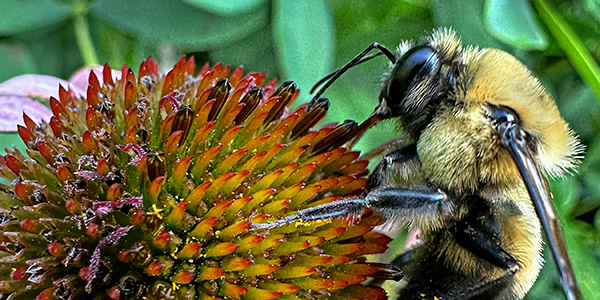
Although our planet contains an amazing abundance of life, the survival of earth's complex ecosystems rests upon the tiniest of backs. Arthropods - a group of animals including insects, crustaceans, and spiders - make up over 85% of all known animal species. Incredibly, their combined biomass is estimated to equal that of humanity's plus all its livestock. Arthropods pollinate plants, recycle nutrients, and are food for other animals. Without arthropods, ecosystems and food supply chains across the globe would collapse.
Forest Friends and Foes
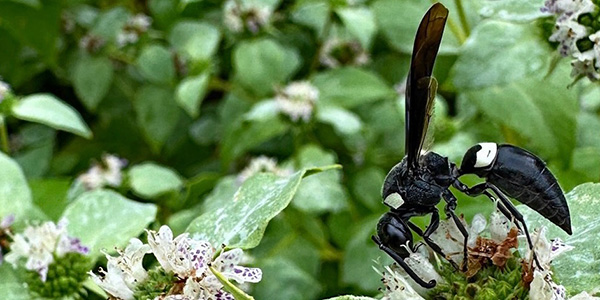
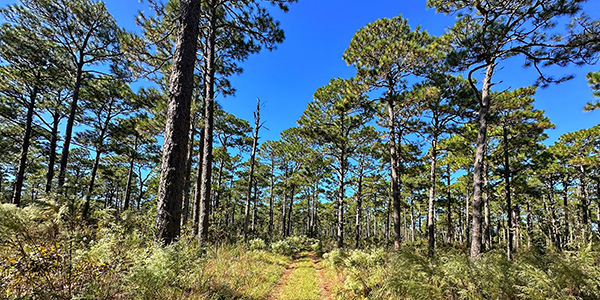
The Southeast is known as the "timber basket" of the United States, producing more forest products than any other region. Its pine forests are also critical for reducing surface temperatures and providing habitat for numerous organisms. Many types of arthropods call these forests home. Some arthropods are considered pests, damaging trees through defoliation and wood boring. Others are considered beneficial, preying on pest species and providing other ecosystem services.
A Changing World
Weather extremes are impacting these arthropod populations, with many beneficial species experiencing declines and some pest species becoming more widespread. Increases in temperatures and changes in rainfall can also stress trees, making them more susceptible to damage from pests. Different forest management strategies can impact the balance of these beneficial and pest species, while influencing the overall health and productivity of stands.
Conservation in Practice
The lab of Clemson's Dr. Zee Ahmed is assessing the relative impacts of NRCS forestry conservation practices on beneficial and pest arthropods in forest systems. Dr. Ahmed's lab will be comparing the effects of NRCS conservation practices to current best management practices (BMP) to see how arthropods respond to these different management scenarios.
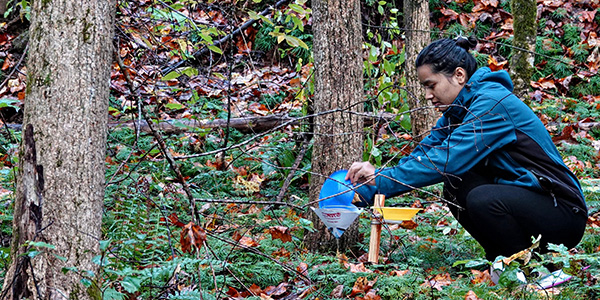
Collecting with Color
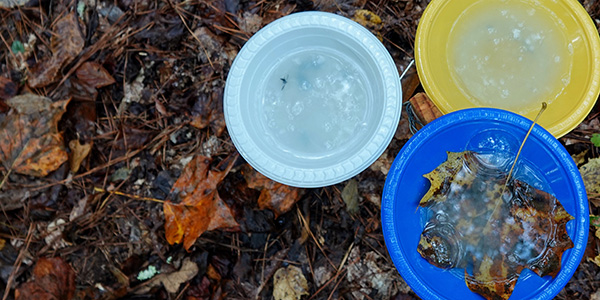
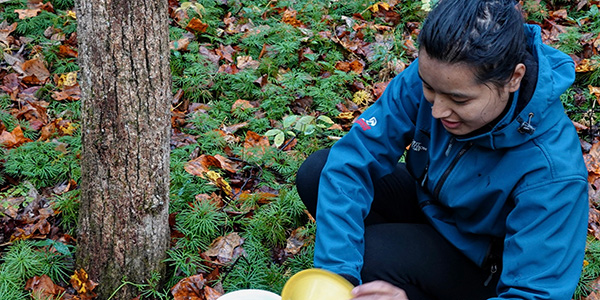
Colored bowls filled with soapy water are used to attract, trap, and preserve pollinators. Pollinators are attracted to different colors depending upon the type of flowers they prefer, so the traps are designed to catch a wide range of insects. These traps will be placed in select forests of AMPSC SC landowners, with five traps in each stand. They are left to attract insects for 12 concurrent days each month before the samples are collected and brought back to Clemson labs for identification.
A Shared Future
The project's collection methodology is being finalized in Clemson University Forest but will soon be implemented in the forests of AMPSC participants. These landowners are giving us an incredible opportunity to learn how NRCS forestry conservation practices not only impact sustainability and productivity, but also how they affect arthropod populations. Our future is intertwined with these tiny yet vitally important creatures, so this study and studies like it will help determine the best way to secure that future.
-
Bird Communities
Birds are some of the most charismatic and complex organisms on earth. Across nearly every kind of habitat, bird populations are declining and reflect challenges and threats facing all living things. Because birds are easily observable and sensitive to changes in their habitats, they make an excellent indicator species – an organism that helps us measure environmental conditions.
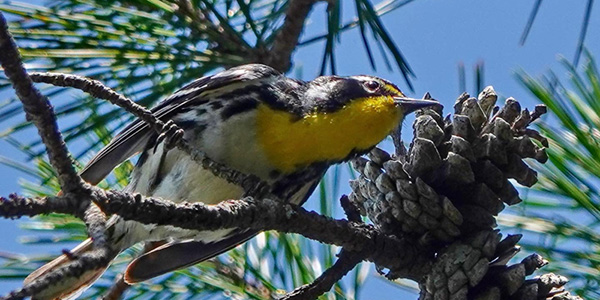
Birds of a Feather
Over 127 species of landbirds nest in South Carolina during the spring and summer months. This includes important game species like the Northern bobwhite, Woodcock, and Wild turkey, as well as threatened and vulnerable species like the Red-cockaded woodpecker and Brown-headed nuthatch. Many of these birds call South Carolina's pine forests home.
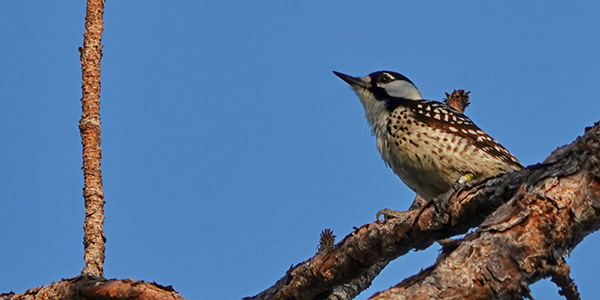
Pinelands are Fine Lands
Healthy pine forests do far more than produce valuable timber. These systems provide a host of ecosystem services including reducing surface temperatures, slowing storm runoff, and lessening flood risks. Pinelands also support hundreds of animal and plant species, many of which are only found in these ecosystems. Exploring how NRCS forestry conservation practices impact these organisms will help us to create a sustainable, profitable industry that also supports life on earth.
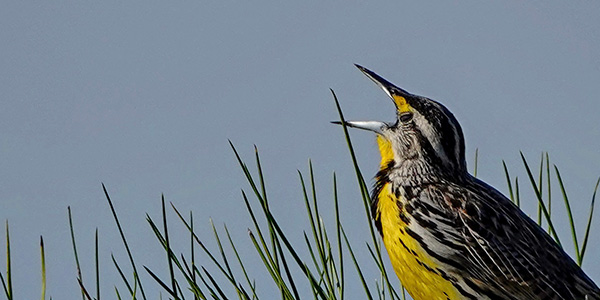
Look, Listen, and Learn
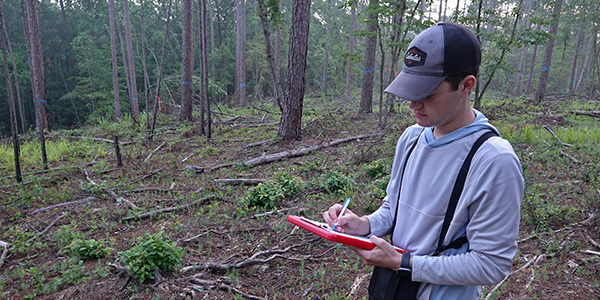
Bryce DelaCourt is a doctoral student in Clemson's Wildlife and Fisheries Biology Program. Studying under Dr. Robert Baldwin, Bryce is researching how NRCS conservation practices affect South Carolina's bird species. Bryce will be spending his summer months surveying the forests of AMPSC participants to evaluate how birds are impacted by practices like forest thinning and the creation of patch habitats. Bryce will regularly visit project sites to conduct timed point counts where he looks and listens for birds, identifying the numbers and species present within a set area. Bryce is currently testing research methods in Clemson University Forest.
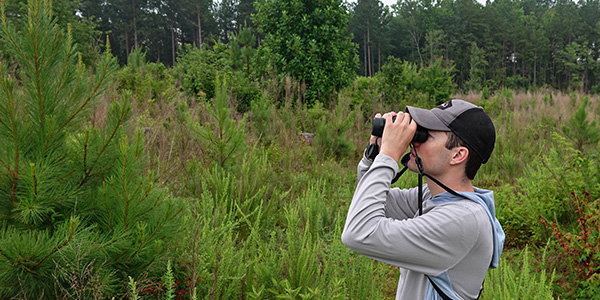
A Lasting Impact
In addition to studying birds and their associated habitats, Bryce is also working with South Carolina foresters to promote the adoption of NRCS conservation practices. Bryce and the AMPSC team hope that getting more people to adopt sustainable forestry conservation practices will not only support a resilient forestry industry but also support a variety of life within our forestland. Bryce believes that this research and other AMPSC research projects, "will help show foresters not only with words, but with scientific data, that these conservation practices are good for both a sustainable business and for the environment."
-
Forest Management
Climate-smart forestry is an integrated approach to managing forests that mitigates greenhouse gas (GHG) emissions. In addition to reducing or removing GHG emissions, implementing climate-smart forestry can also increase productivity, sustainability, resilience, and carbon sequestration. Advancing Markets for Producers in SC provides incentives and technical support to encourage and empower South Carolina landowners to adopt and implement climate-smart forestry practices. Incentivized forest stand improvements move landowners away from traditional practices like clearcutting, and promote practices like patch-cutting and row-thinning. These practices encourage regeneration and the establishment of young trees while maintaining better ecological integrity.
Forest Stand Improvements
1. Clearcutting
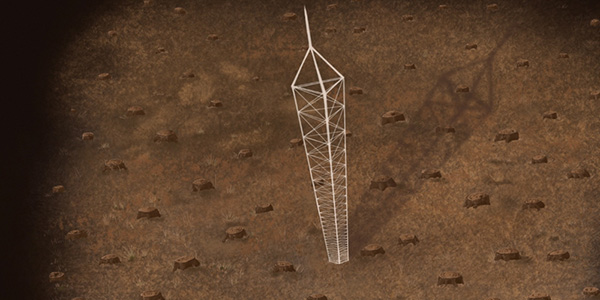
100 years ago, the practice known as clearcutting was synonymous with "cut and run" or "slash and burn" logging. Timber was thought of as an unlimited resource and many forests were decimated when loggers would clear entire stands or leave only the poorest-quality trees behind - a practice known as high-grading. Repeated cycles of this practice left vast areas with little ecological or economic value. Today clearcutting - uniformly cutting down most or all trees in an area - is used by foresters to meet a variety of forest management objectives including the control of pathogens and wood-boring insects, and to help regenerate shade-intolerant tree species. However, clearcutting can have significant negative impacts. These include soil erosion and sedimentation, worsened air quality and greenhouse gas emissions, and the degradation or destruction of entire ecosystems. Advancing Markets for Producers in SC is encouraging landowners to, whenever possible, move away from clearcutting and toward the following practices.
2. Patch-cutting
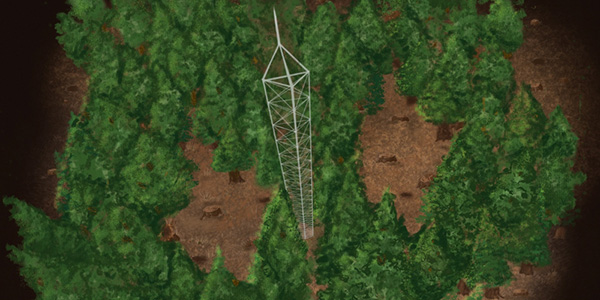
Patch-cutting creates small openings in a forest by removing all the trees in small areas while retaining intact forest between these patches. When implemented for Advancing Markets for Producers in SC, plot locations for cutting are chosen randomly with the goal being to remove trees in 33% of the treatment area. There are many benefits to using patch-cutting as an alternative to clearcutting. This practice emulates how natural disturbances regularly create forest gaps, and allows a forest stand to retain its natural composition and structure. The openings created provide sites for regeneration while reducing wildfire risk and enhancing pest resistance. Additionally, these patches have been shown to enhance biodiversity, restore native plant communities, and enhance wildlife food availability.
3. Row-thinning
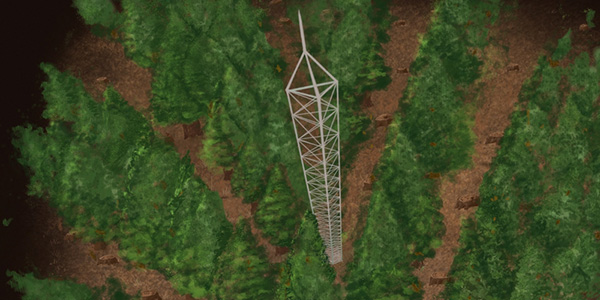
Similar to patch-cutting, row-thinning removes all the trees in small areas while keeping intact forest between these areas. However, as the name implies, this practice involves removing entire rows of trees in a forest stand. For Advancing Markets for Producers in SC, the rows are chosen randomly to remove trees in 33% of the treatment area. This practice has been shown to improve the health and growth rate of the remaining stand, allowing remaining trees to grow and produce higher-quality timber. Row-thinning can reduce the risk and impacts of damaging pests like the southern pine beetle. It can also boost biodiversity while creating a more resilient forest while creating a more resilient forest.
