Deep Orange 17
ENGINEERED BY:

POWERED BY:

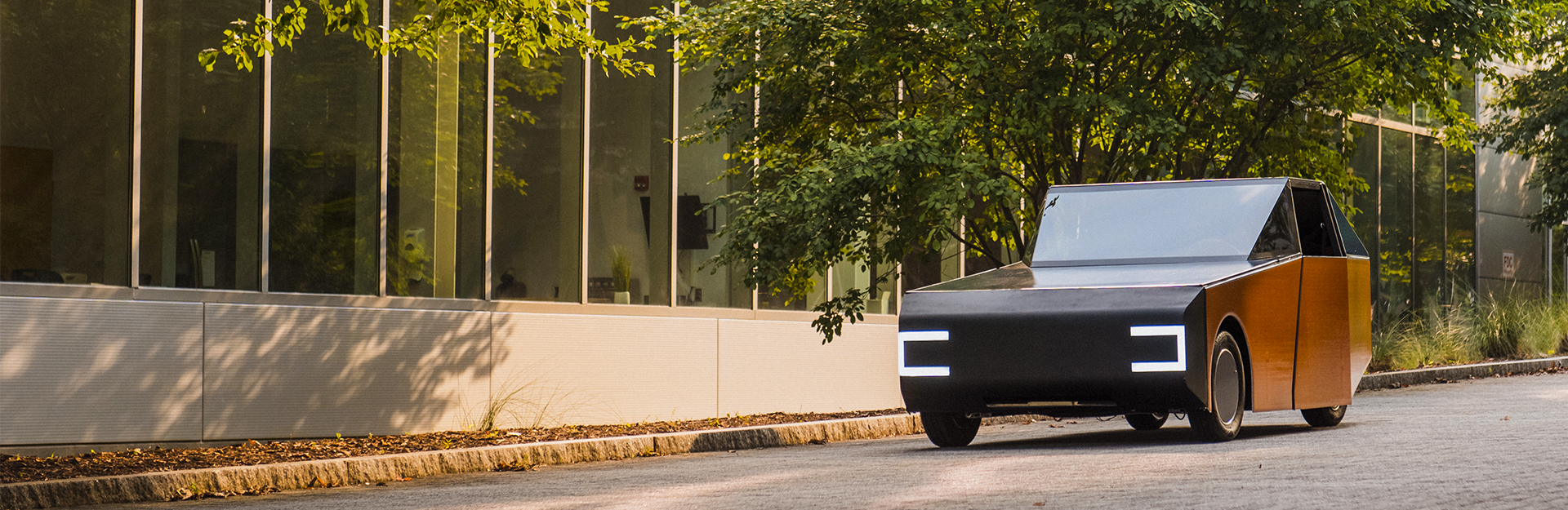
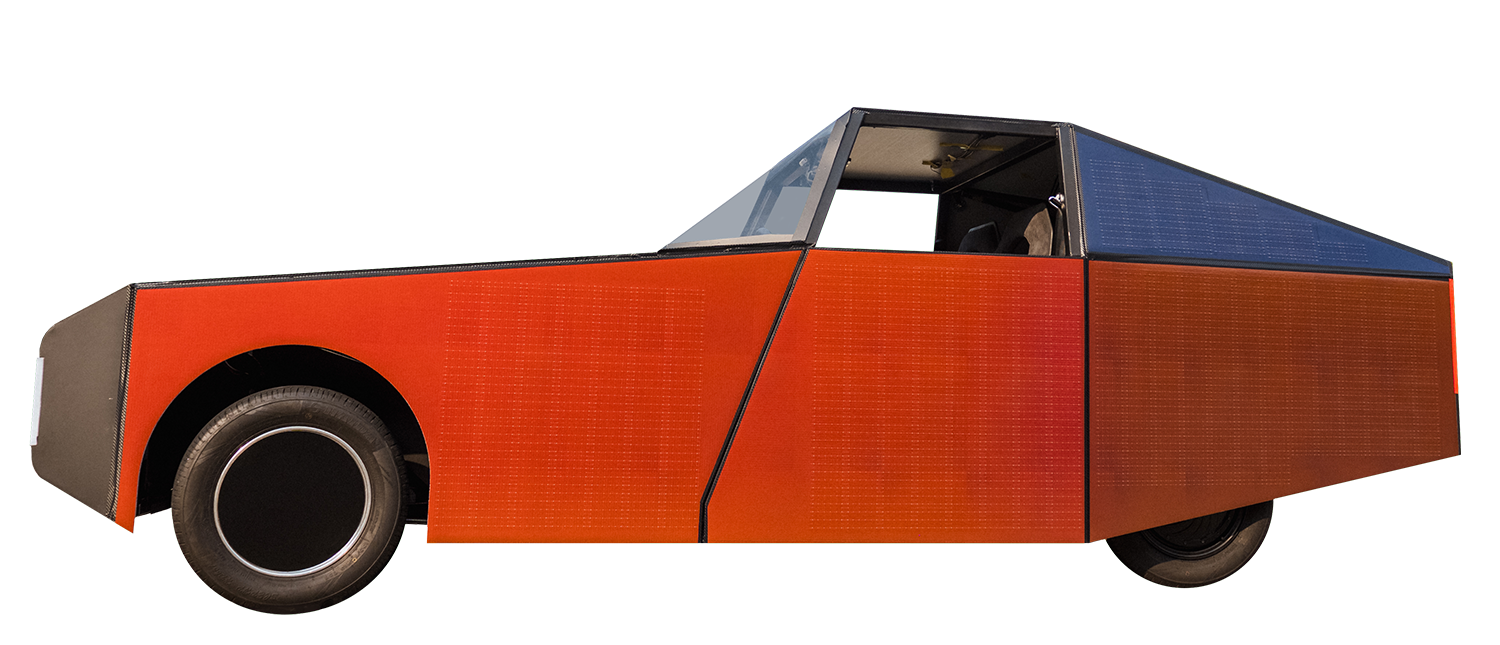
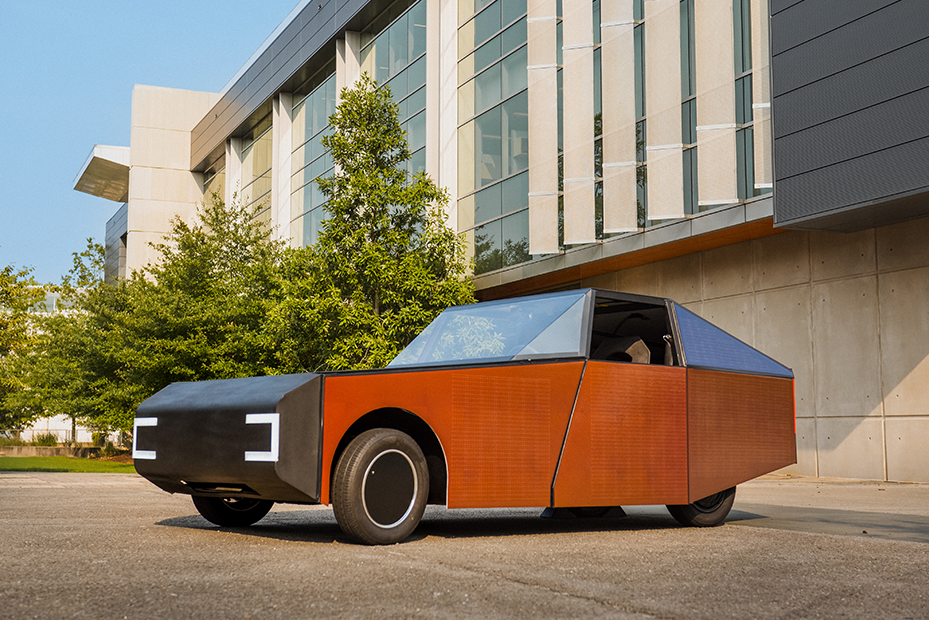
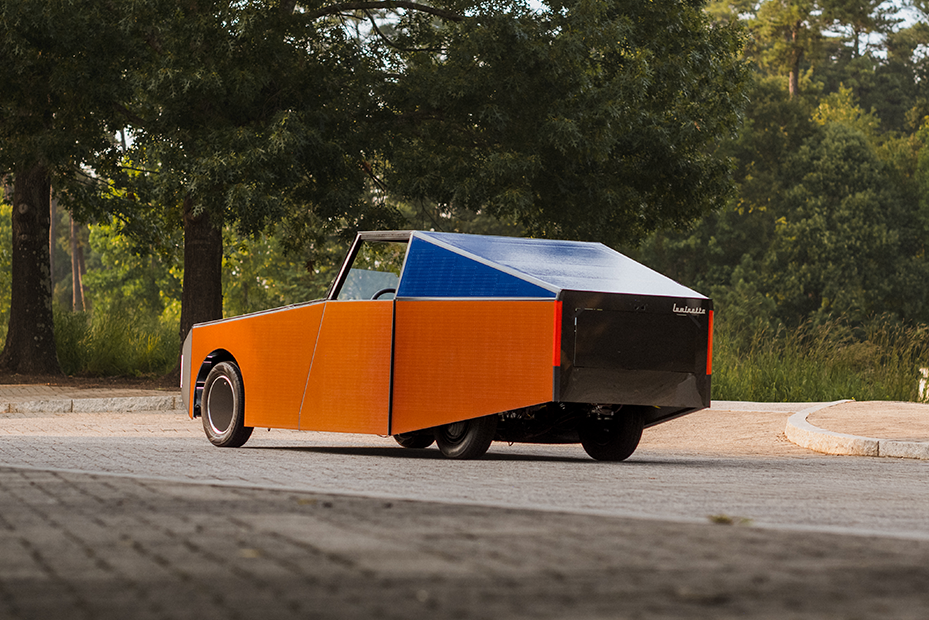
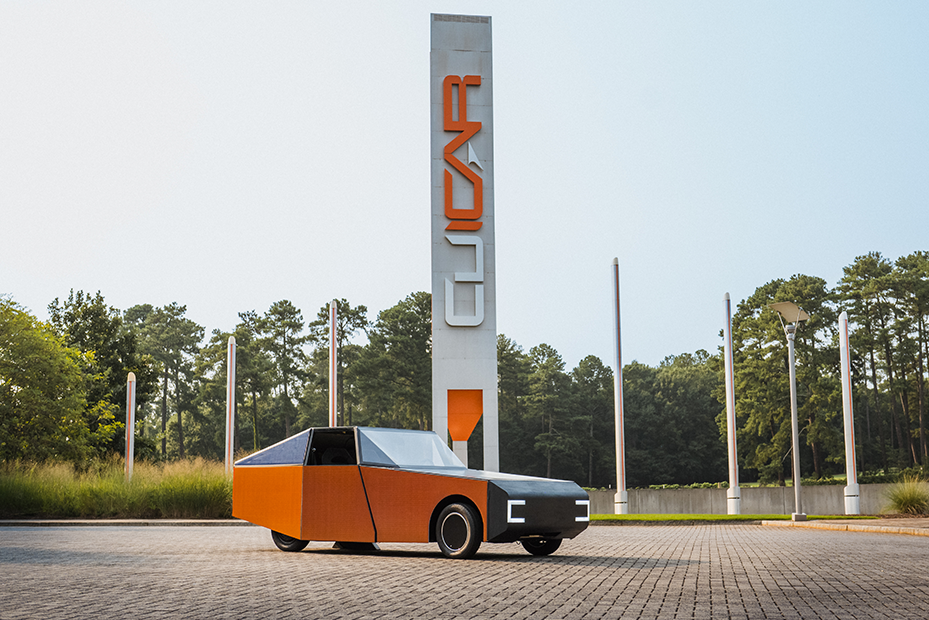
Deep Orange 17 is a solar-integrated, energy-positive electric vehicle prototype designed to generate more energy than it consumes during a typical day of urban commuting. Developed in collaboration with BMW of North America, the prototype integrates solar technology, lightweight engineering and intelligent vehicle controls to demonstrate that energy-positive mobility is possible.
In the fall of 2025, BMW challenged the graduate students of Deep Orange 17 to rethink one of the industry's biggest questions: Could a vehicle generate more energy than it consumes during everyday driving?
Rather than optimizing solely for standardized driving cycles, the team focused on how people actually use their vehicles every day. Passenger vehicles spend most of their time parked, creating opportunities to harvest solar energy throughout the day. Students also designed the vehicle to capture solar energy while driving, allowing sunlight to become a continuous source of energy generation during everyday use.
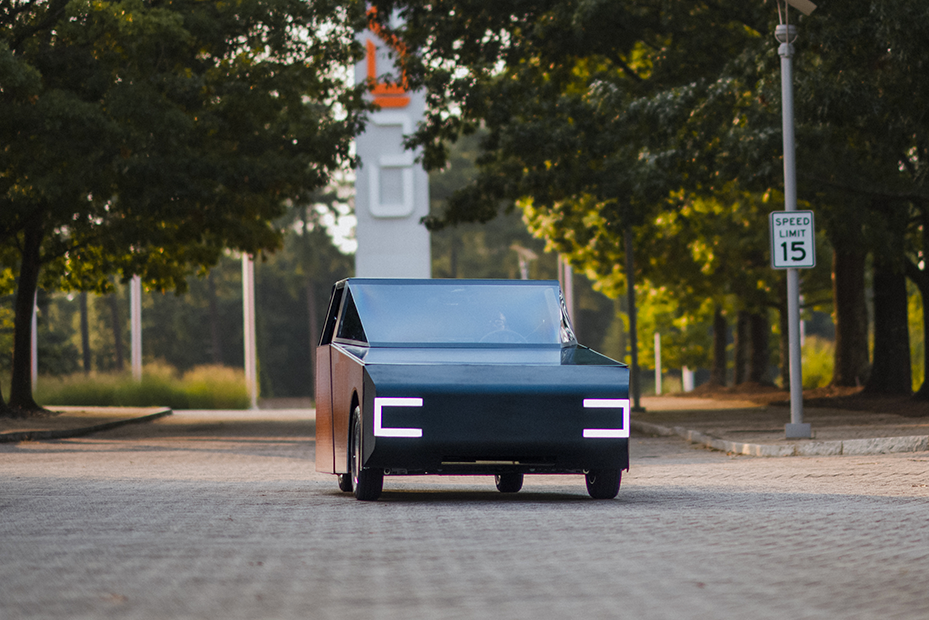
The result is Deep Orange 17, a lightweight, solar-integrated coupe designed to generate more energy than it consumes during a typical day of urban commuting. Designed around drivers who value ease of driving, energy efficiency and reduced dependence on charging infrastructure, the vehicle represents a new approach to sustainable mobility.
Deep Orange 17 - Build Phase
Deep Orange 17 - Unveiling
Deep Orange 17 - Student Experience
UNIQUE VEHICLE FUNCTIONS
Harnessing Solar Energy
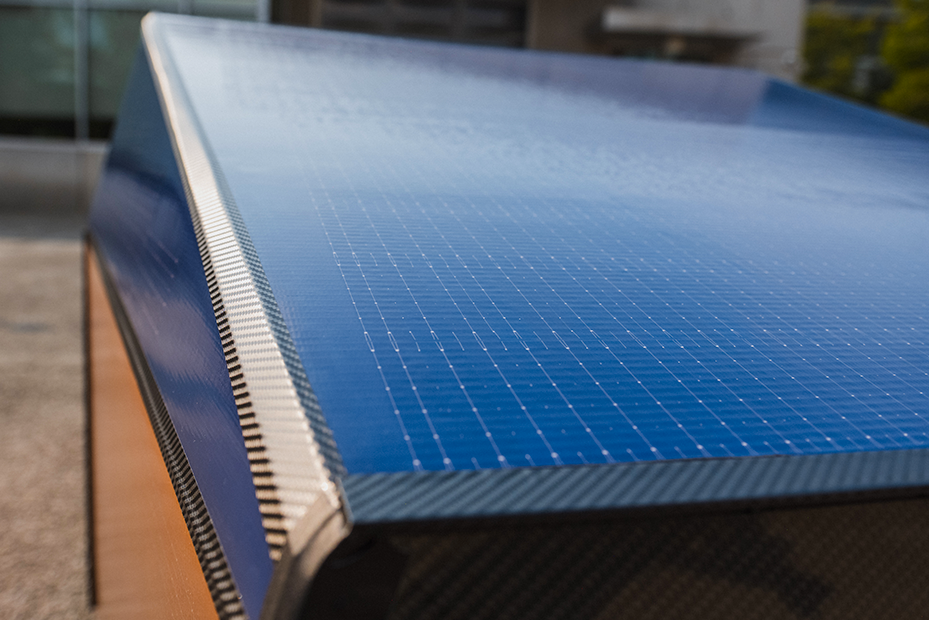
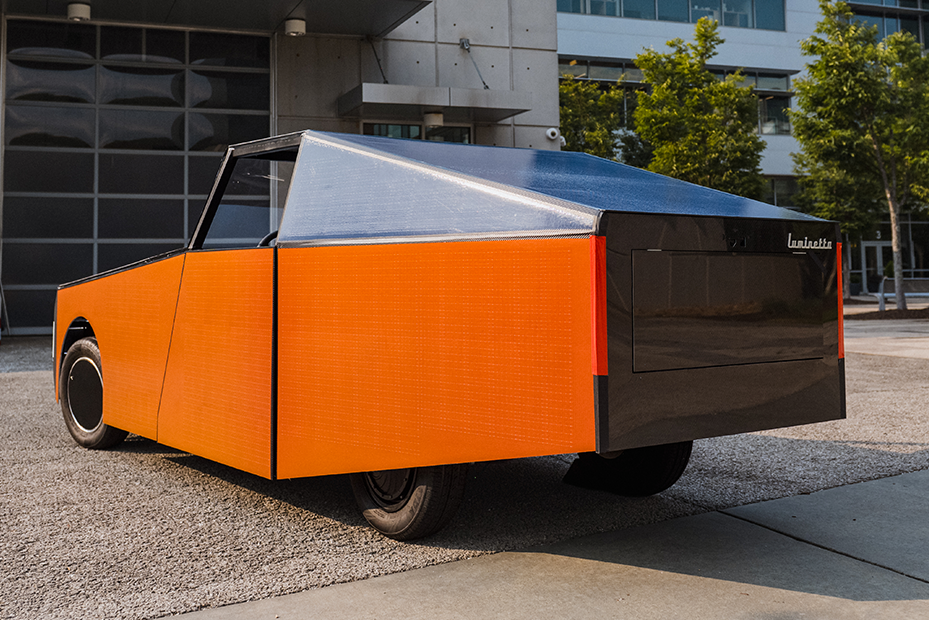
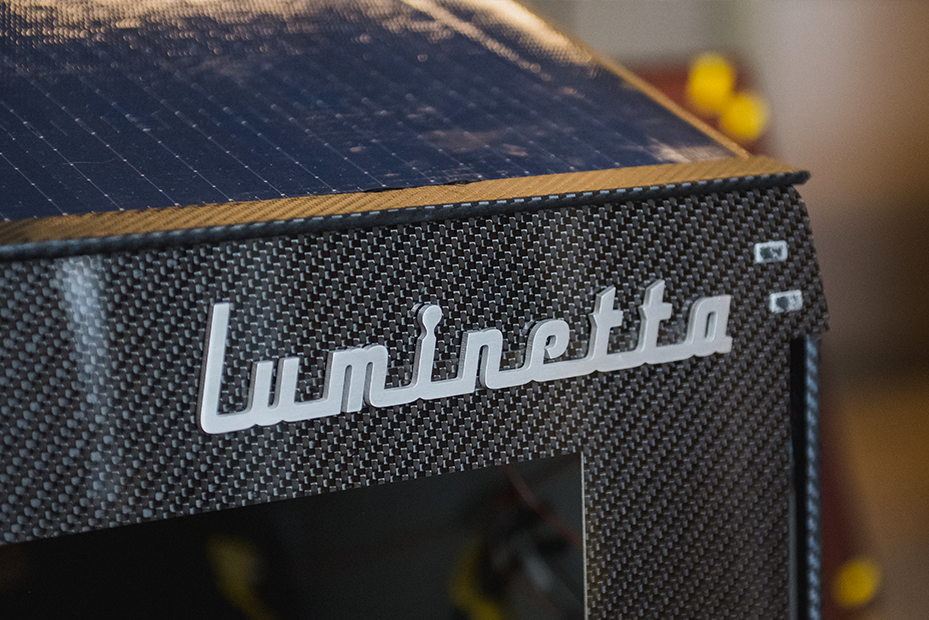
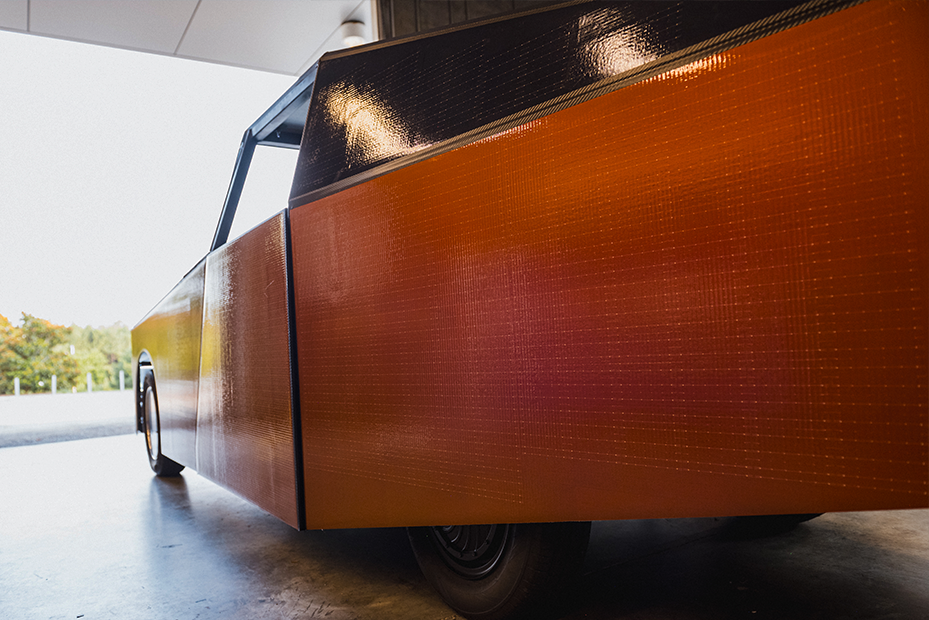
At the heart of Deep Orange 17 is a fully integrated solar energy system. Rather than serving as an auxiliary feature, solar power is a core part of the vehicle's propulsion strategy. More than 1,781 photovoltaic cells are integrated directly into the vehicle's exterior surfaces, allowing the body itself to harvest energy while both parked and in motion. The system continuously replenishes the vehicle's energy storage using sunlight, helping offset energy consumed during daily driving.
Engineered for Efficiency
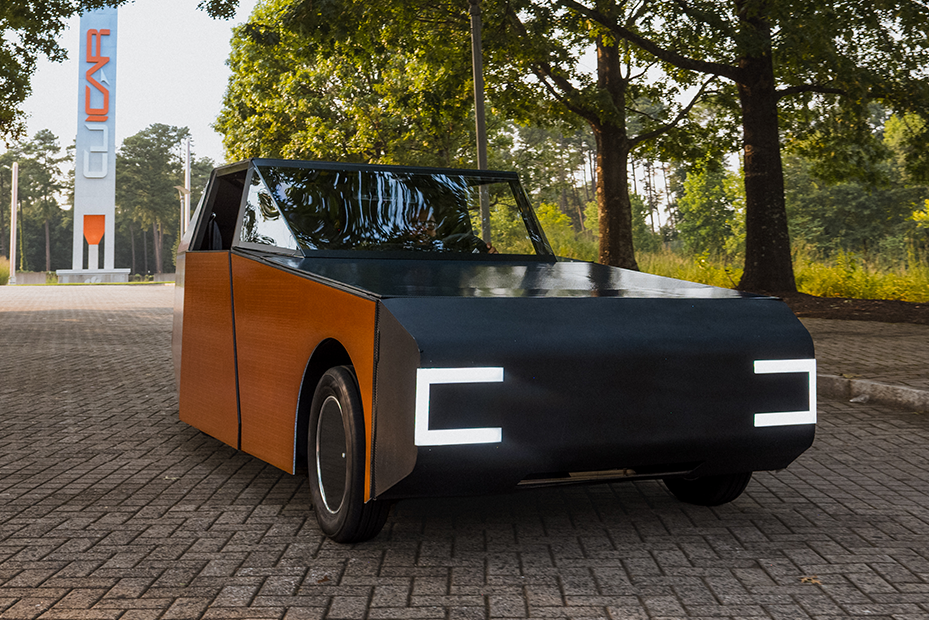
Every aspect of the vehicle with efficiency in mind, from aerodynamics and lightweight construction to power electronics and drivetrain controls. Weighing just 550 kilograms (1,212 pounds), Deep Orange 17 is approximately one-fourth the weight of many similarly sized production vehicles. Its multi-material chassis combines structural steel for passenger safety with aluminum components, carbon fiber structural members and 3D-printed metal joints to maximize strength while minimizing mass.
Thoughtful Design
The vehicle's exterior draws inspiration from the aerodynamic characteristics of the boxfish, whose streamlined body naturally reduces drag while maintaining interior volume. Additional technologies, including regenerative braking, intelligent torque distribution and optimized drivetrain controls, work together to maximize energy recovery and improve overall vehicle performance.
User Experience
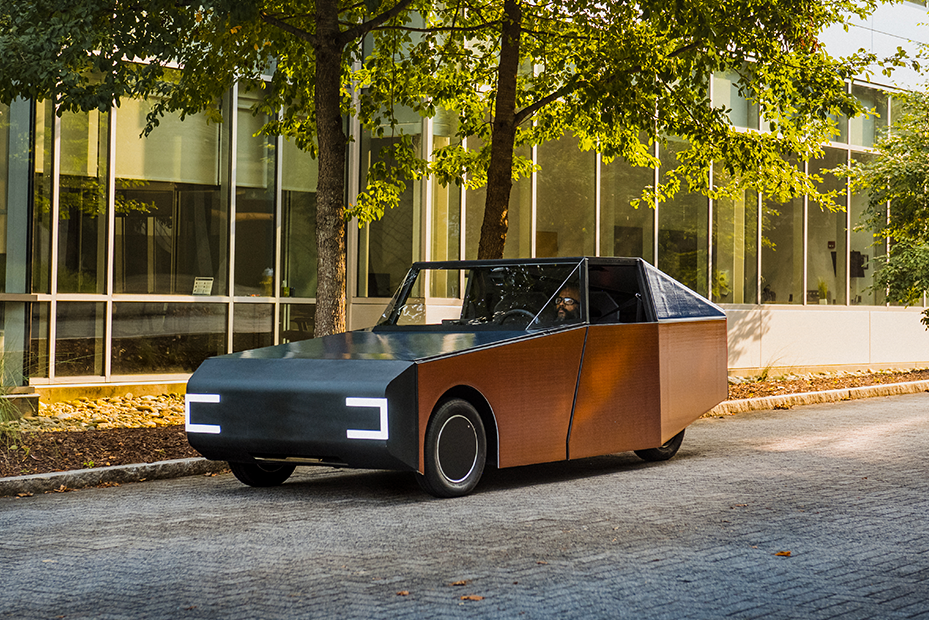
The two-door coupe is inspired by BMW's design heritage while embracing a distinctly modern identity. Inside, the vehicle features a custom human-machine interface that provides real-time vehicle telemetry alongside familiar technologies including Apple CarPlay and Android Auto, creating a connected driving experience that balances innovation with everyday usability.
FINISHED CONCEPT
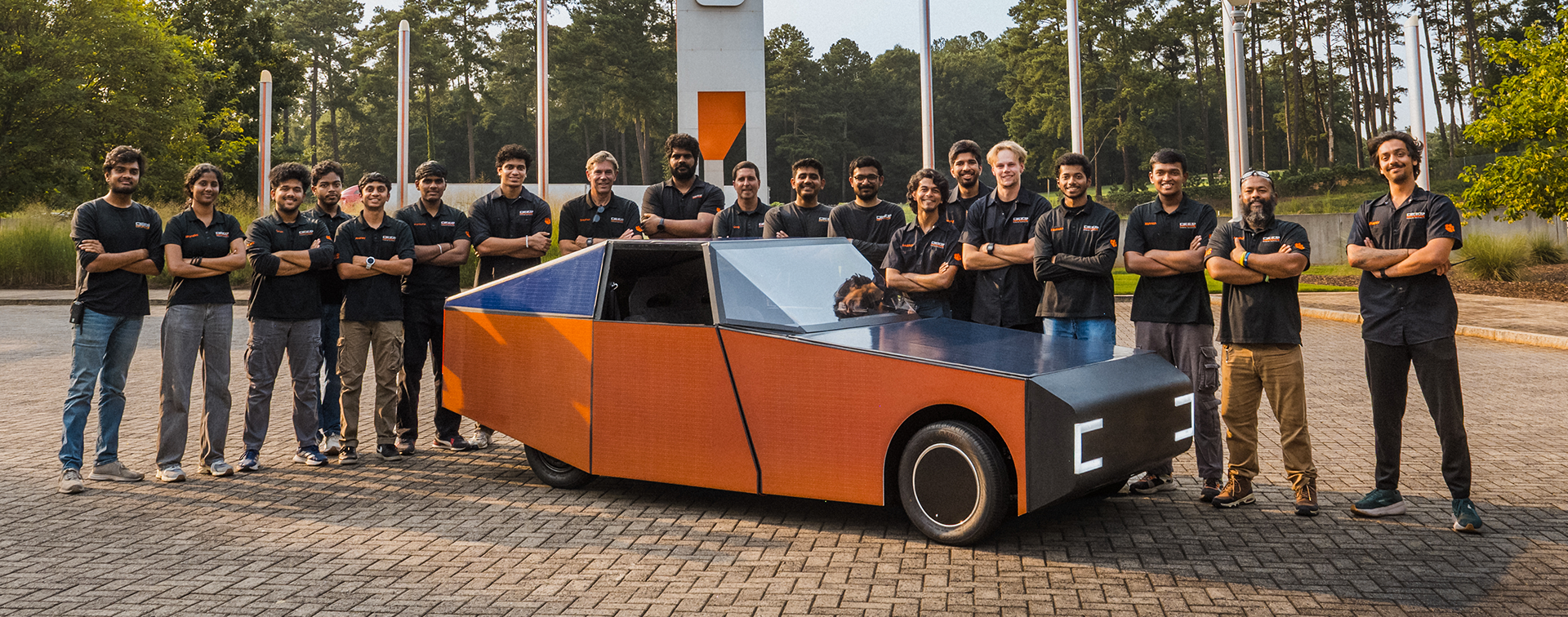
DO17 Team
Automotive Engineering Students
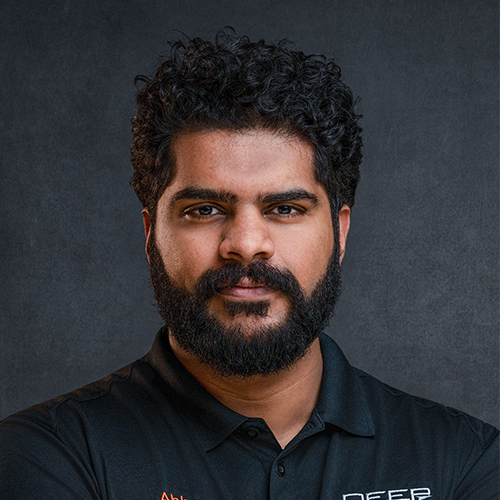
Abhay Harinarayanan
Chief Vehicle Engineer, Powertrain, Controls, Solar


Anubhav Ujjwal Rane
Powertrain

Collin Anders Hunt
Team Manager, Structures, HMI
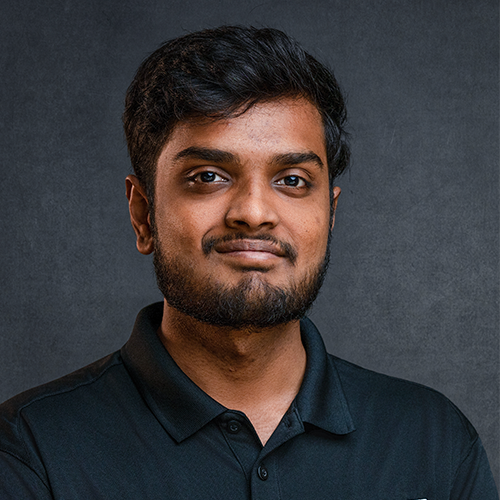
Deepak Srinivasan Sathiyanarayanan
Digital Twin Lead, Structures

Girish Atul Pawar
Powertrain, Controls

Harsh Eshwardas Manghnani
Solar Integration Lead, Powertrain, Controls

Kaustubh Sanjay More
Powertrain, Controls
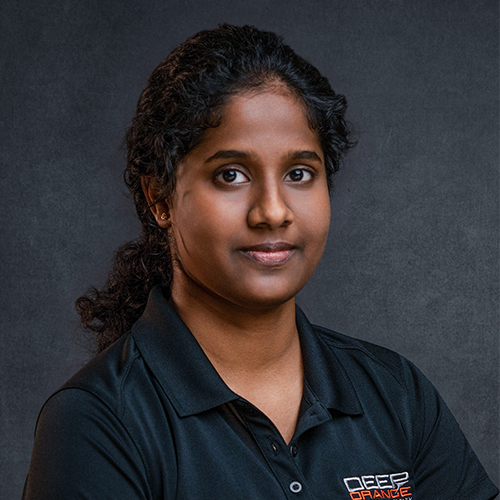
Mrunalini Mudenti
Structures, Human Machine Interface

Mohnish Subramanian Pillai
Structures, Human Machine Interface
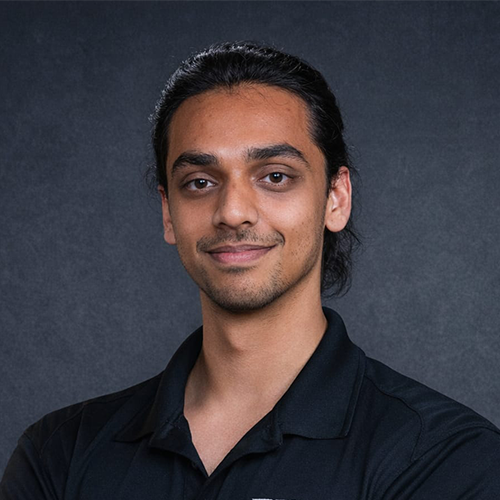
Pranav Sanjay Nair
Controls Lead, Powertrain

Premkumar Balan Naikar
Vehicle Dynamics Lead, Controls
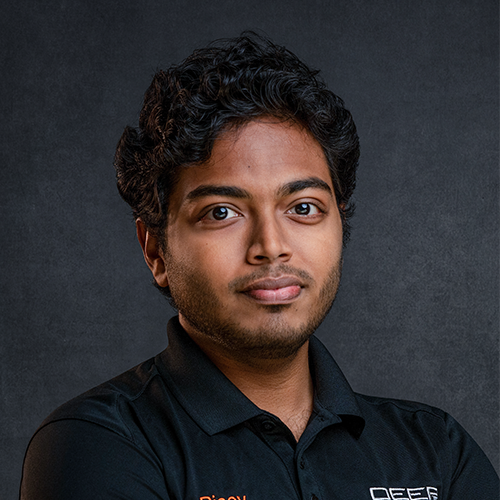
Risav Jana
Structures, Solar Integration
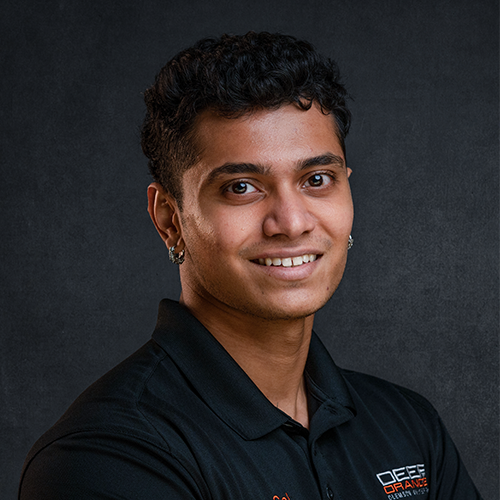
Sai Ganesh
Structures Lead

Shrey Bishnoi
Vehicle Dynamics

Akshay Bhujanga Shetty
Powertrain Lead, Controls

Shubham Arjun Kawade
Powertrain, Vehicle Dynamics, Controls
PARTNERS
The following organizations have provided generous support, in-kind contributions, and mentoring to achieve the objectives of Deep Orange 17.