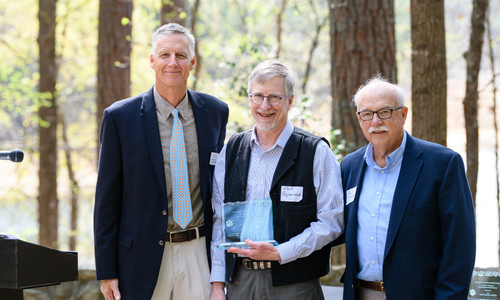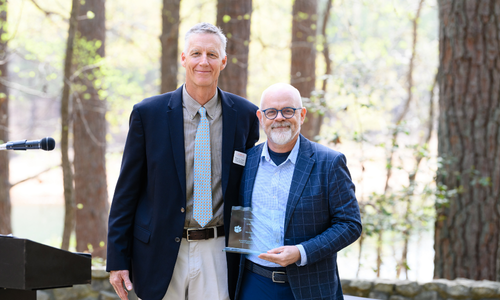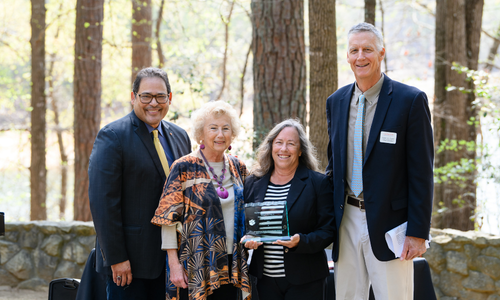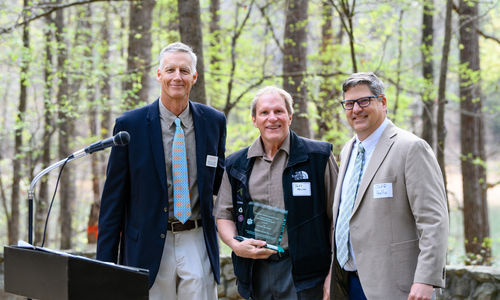
Jeffrey Marion, Ph.D., recently retired from a 39-year career with the National Park Service and U.S. Geological Survey and currently serves as an adjunct professor at Virginia Tech. He is co-founder and leading author of the Recreation Ecology field of study, which investigates the environmental impacts of visitor use in protected natural areas such as parks and wilderness.
His studies have focused on recreation impacts to vegetation, soil and wildlife; the sustainable management of trails, recreation sites and campsites; and the development and efficacy of Leave No Trace, a framework of seven principles designed to minimize human impact on nature. He is a founding member of the Leave No Trace Board of Directors and, for its first decade, chaired the committee that developed and refined low impact principles, practices, educational literature and courses. In 2014, he authored the organization’s official book, “Leave No Trace in the Outdoors,” and is currently working on a revised edition, as well as three open-source technical books. He is a recipient of the Department of the Interior’s highest honor, the Distinguished Service Award, and the George Wright Society’s Natural Resources Achievement Award.
He is a lifelong outdoor recreationist who has completed the Appalachian Trail and is now section-hiking the Pacific Crest Trail. He has been a Scoutmaster for five years and co-ed Venture Crew Leader for 18 years with Scouting America. Throughout his career, he has worked with scouting professionals to incorporate Leave No Trace into the scouting handbook, fieldbook, courses and outdoor practices. For this work, he is the recipient of the scouting community’s highest conservation awards, the Hornaday Gold Medal and Gold Badge and the Distinguished Staff Alumni Award from Philmont Scout Ranch.
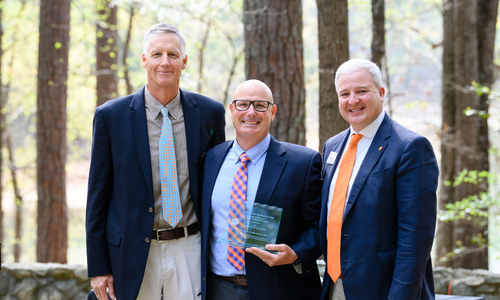 Matthew Brownlee, Ph.D., is a professor of parks, conservation and outdoor recreation in the Clemson University Department of Parks, Recreation and Tourism Management with a joint appointment in the Department of Forestry and Environmental Conservation.