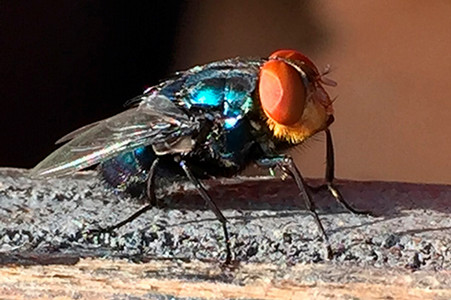
New World screwworm infestations begin when a female fly lays eggs on open wounds or other parts of the body in live, warm-blooded animals

Clemson University animal health experts are working with other state and federal agencies to keep South Carolina's livestock, pets and wildlife safe from the New World screwworm (NWS)—a dangerous parasitic fly that feeds on the living tissue of warm-blooded animals. While no cases have been reported in South Carolina, outbreaks are growing in nearby regions.
This site provides current information about NWS: what it is, how to recognize it, steps to prevent infestations and how to report suspicious cases.
The New World screwworm (Cochliomyia hominivorax) is a parasitic blowfly whose larvae feed on the living tissue of warm-blooded animals. Unlike common maggots that consume dead tissue, NWS larvae invade healthy flesh, causing severe wounds, infection and—in untreated cases—death.
All warm-blooded animals can be affected, including livestock, pets, wildlife and, rarely, humans. The pest is reportable to federal and state authorities, meaning any suspected case must be promptly reported.
Watch for these warning signs in livestock, pets and wildlife:
New World screwworm infestations begin when a female fly lays eggs on open wounds or other parts of the body in live, warm-blooded animals
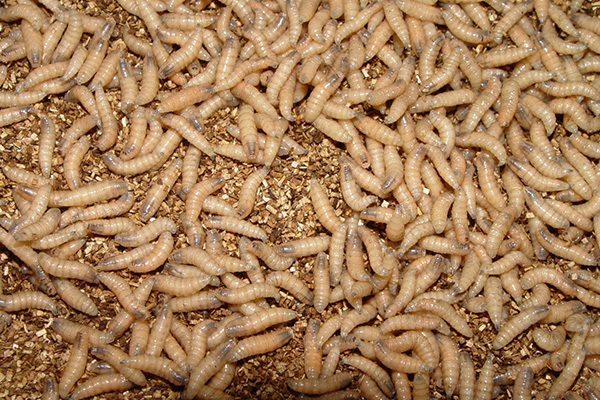
New World screwworm is the larvae of the New World screwworm fly and feeds on the living flesh of warm-blooded animals.
