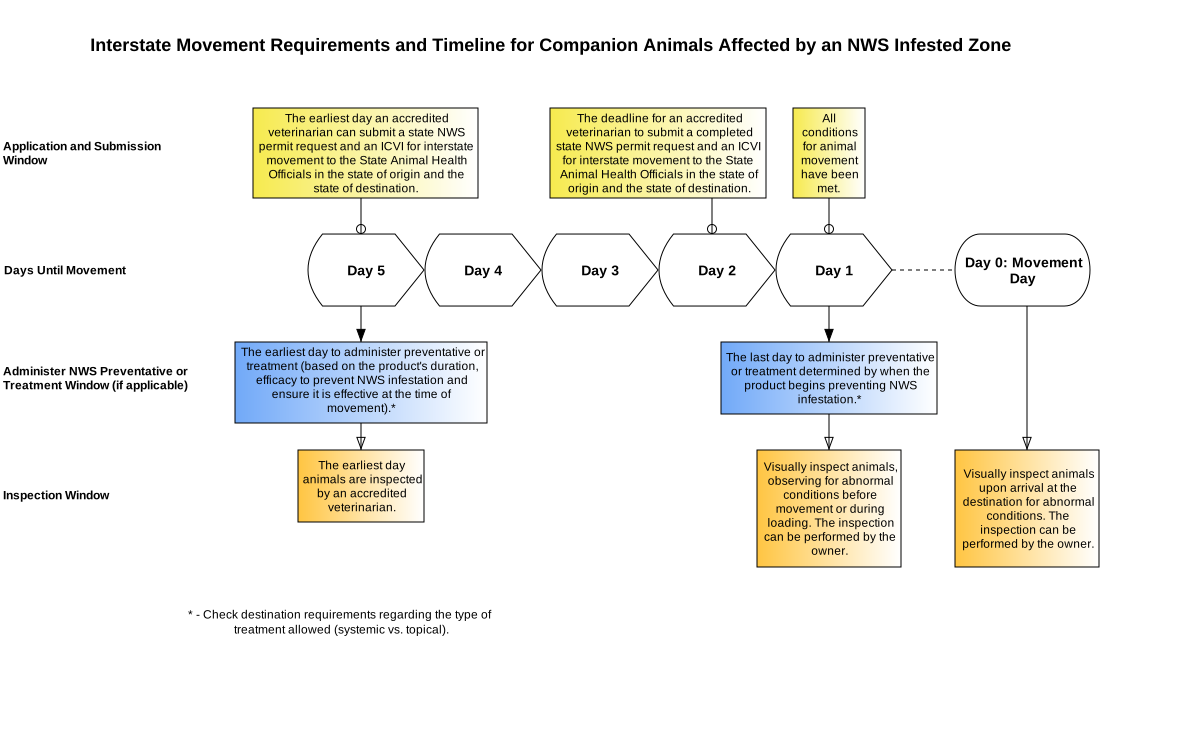
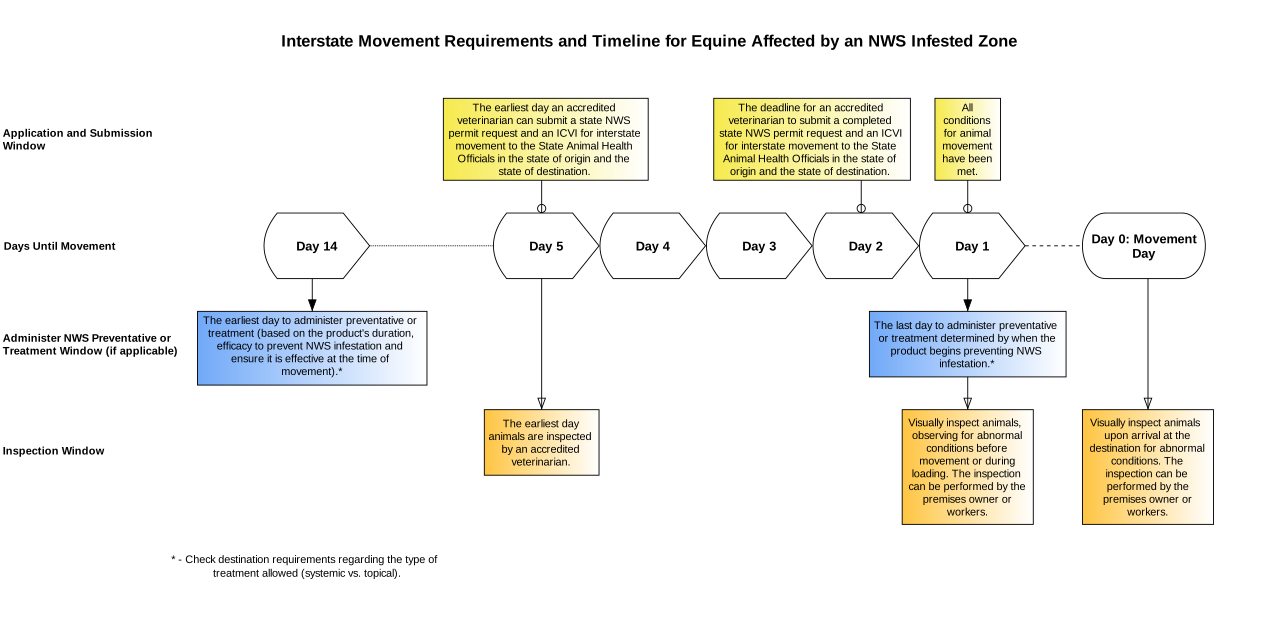
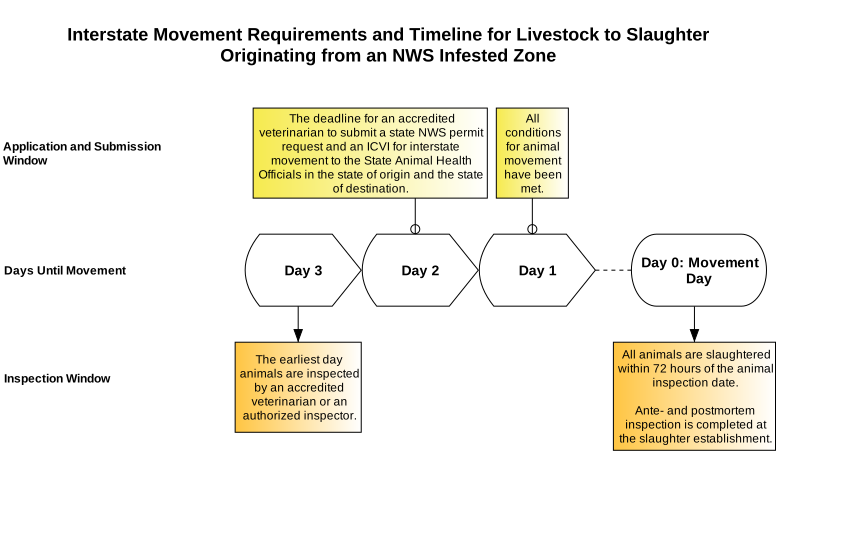
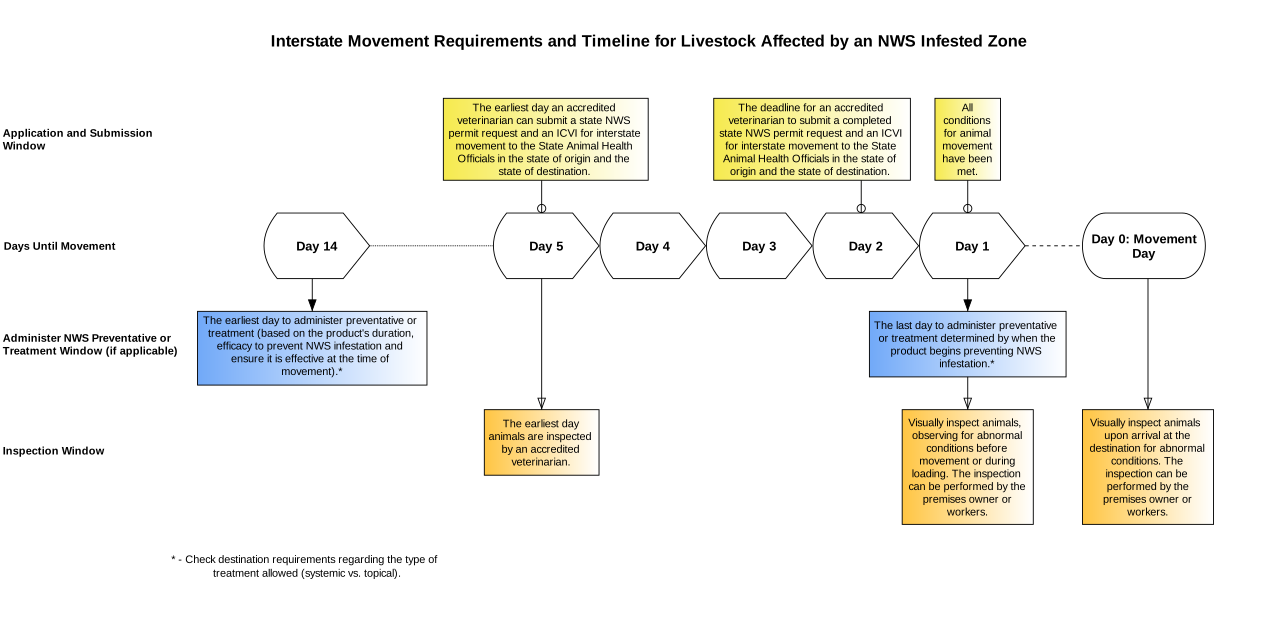
For livestock animals within an infested zone:
- In addition to meeting the normal importation requirements, an accredited veterinarian:
- Ensure the livestock animal has appropriate official identification.
- Completes an inspection following the USDA NWS pre-movement animal inspection checklist as guidance, noting that the livestock animal(s) is free of wounds harboring NWS myiasis before shipping.
- Completes and submits two permit request forms from:
- The South Carolina NWS permit request form, and the
- The state of origin’s permit request form
- at least 48 hours before the movement. These permit numbers are placed on the interstate certificate of veterinary inspection (ICVI).
- Completes and issues an ICVI within five (5) days of an inspection. The ICVI must have the statement “All animals were inspected and found free of evidence of NWS infestation.”
- Treats the livestock animal(s) with a species-appropriate, FDA-approved, or EPA-approved product before entry that will be effective during the movement and records it on the two permits and ICVI.
For livestock animals within an adjacent surveillance zone:
- Normal importation requirements and inspection completed by an accredited veterinarian.
- Completes and issues an ICVI within seven (7) days of the inspection and must have the statement “All animals were inspected and found free of evidence of NWS infestation.”
For livestock animals outside of the NWS infested and adjacent surveillance zones:
- Normal importation requirements completed by an accredited veterinarian.
- The ICVI must have the statement “All animals were inspected and found free of evidence of NWS infestation.”
For dairy calves within an infested zone:
- All calves have their navels dipped.
- Ensure the animal has appropriate official identification.
- An accredited veterinarian completes an inspection following the USDA NWS pre-movement animal inspection checklist as guidance, noting the calves are free of NWS larvae, and any open wounds are treated with an EPA-approved NWS preventative topical pesticide and or an FDA-approved injectable product administeredCompletes and submits two permit request forms from:
- The South Carolina NWS permit request form, and the
- The state of origin’s permit request form
- at least 24 hours before the movement. These permit numbers are placed on the interstate certificate of veterinary inspection (ICVI).
- The ICVI must have the statement “All animals were inspected and found free of evidence of NWS infestation.”
- The movement may be initiated immediately after the animals have been inspected and their navels have been dipped.
For dairy calves within an adjacent surveillance zone:
- All calves have their navels dipped.
- Ensure the animal has appropriate official identification.
- An accredited veterinarian completes an inspection following the USDA NWS pre-movement animal inspection checklist as guidance, noting the calves are free of NWS larvae, and any open wounds are treated with an EPA-approved NWS preventative topical pesticide and or an FDA-approved injectable product administered
- Completes and submits an interstate certificate of veterinary inspection (ICVI).
- The ICVI must have the statement “All animals were inspected and found free of evidence of NWS infestation.”
- The movement may be initiated immediately after the animals have been inspected and their navels have been dipped.
For dairy calves outside of the NWS infested and adjacent surveillance zones:
- Normal importation requirements completed by an accredited veterinarian.
- The interstate certificate of veterinary inspection (ICVI) must have the statement “All animals were inspected and found free of evidence of NWS infestation.”