

Skip to content

Office of Research Security

Research Security

What is Research Security?

Research Security means “safeguarding the research enterprise against the misappropriation of research and development to the detriment of national or economic security, related violations of research integrity, and foreign government interference” (NSPM-33); or in other words, “protecting the means, know-how, and products of research until they are ready to be shared” (JASON Research Program on Research Security).

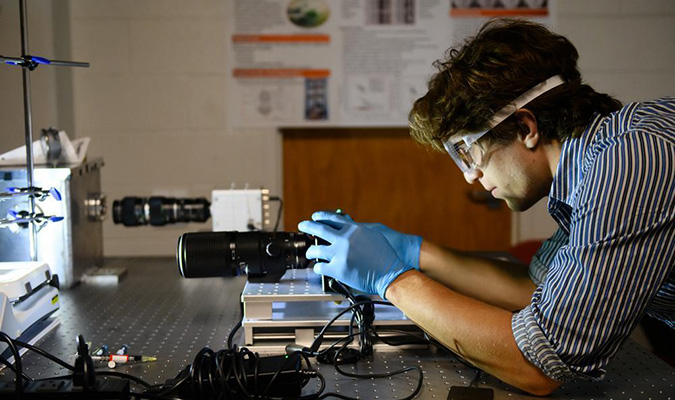
A male researcher wearing safety glasses and gloves in a research lab
students and employees in a technology room in front of their workstations

At Clemson University

At Clemson University, most research qualifies as fundamental research, meaning it is intended for publication and open dissemination. However, when research involves restrictions, sensitive information, or controlled technologies, it may be considered regulated research and subject to additional safeguards.

a female cop and 2 employees sitting in front of their workstation in an office room

Regulated Research

Research Security plays a critical role in identifying and protecting regulated research, including projects that involve: 

  • Controlled technologies (ITAR/EAR)  
  • Controlled Unclassified Information (CUI)  
  • Sponsor-imposed publication or access restrictions  
  • Classified or otherwise restricted research activities  
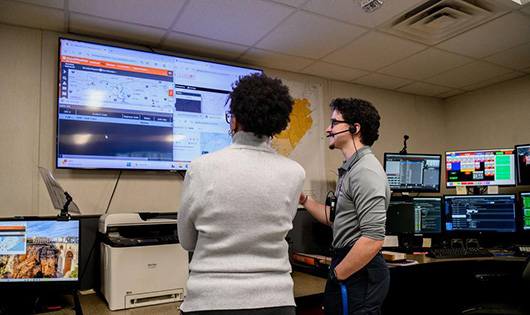
A male wearing a headset and a female in a room with computers and a big digital screen looking at data

Required Safeguards

Regulated research requires additional safeguards, such as: 

  • Technology control plans (TCPs) 
  • Restricted access environments 
  • Personnel screening and training 
  • Licensing or federal authorization 
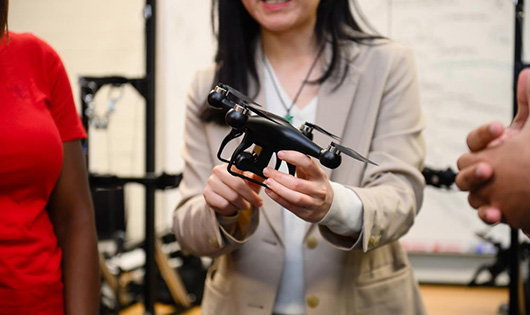
A female holding a device at 3D vision, career awards at CECAS

What Research Security Is Not

Research security is not: 

  • A replacement for research integrity and ethical conduct 
  • A barrier to innovation and discovery 
  • Discrimination or targeting of specific populations 
  • Suppression of legitimate research findings 
  • A hindrance to collaboration and open scientific discourse 
A male presenter pointing to a screen with a poster of world map next to him

Researcher Responsibilities

Your Responsibilities 

  • Researchers are expected to take reasonable precautions to protect themselves and their work when traveling internationally, as well as fully disclose agreements and activities with foreign institutions to Clemson University and U.S. federal sponsors. Failure to disclose foreign relationships and activities may jeopardize eligibility for future funding. 
  • Conduct regulated research only within authorized systems 
  • Complete required training 
  • Engage ORS when risks or questions arise