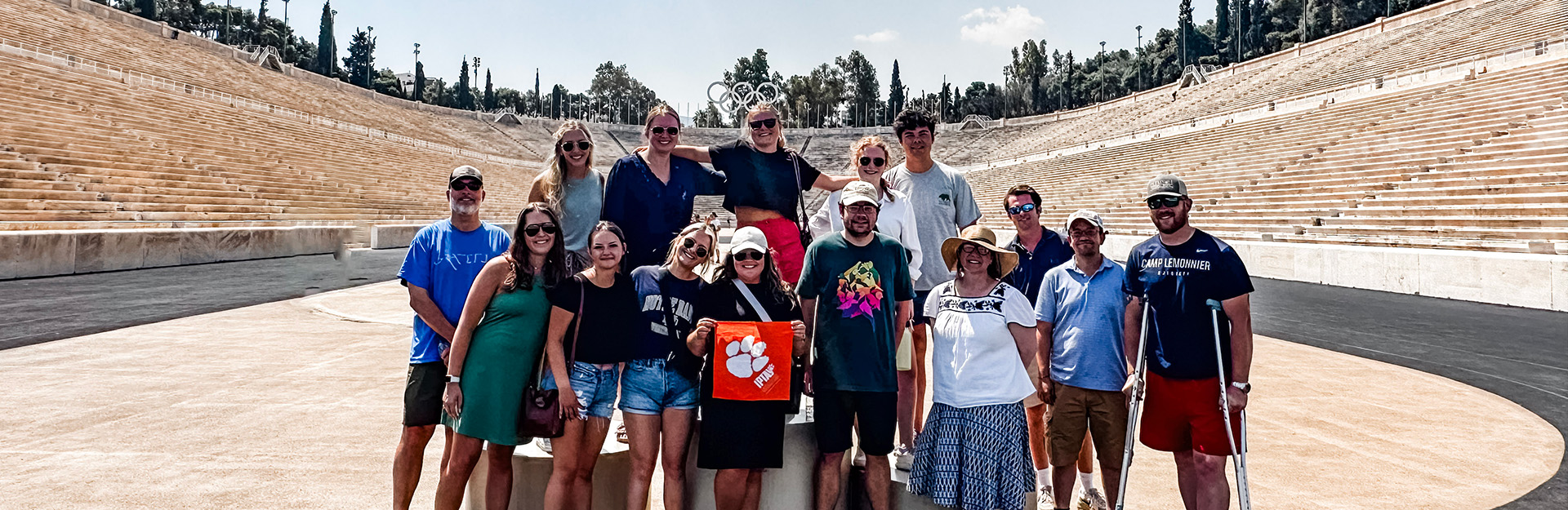
Study Abroad
Studying abroad offers an array of benefits and opportunities whether you travel for one week or a semester. Living and learning in a foreign country fosters cross-cultural understanding and global awareness through exposure to different languages, customs, and traditions different than your own. Study abroad programs often offer specialized courses encouraging exploration of new academic interests or delving deeper into a field of study.
Study abroad programs offer a transformative experience that not only enhances academic learning but promotes independence and personal growth as you navigate opportunities you wouldn’t get at home. With so many different types of study abroad options to choose from, every student can find one that works for their academic program, interests, and finances.
-
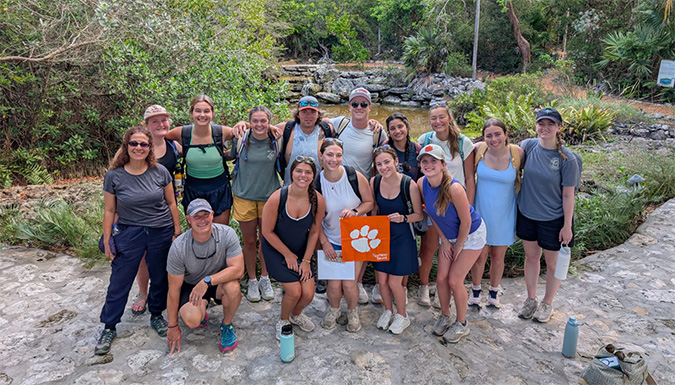
Steps to Studying Abroad
- Connect with your academic advisor and tell them about your interest in going abroad.
- Apply for a Passport or check your Passport expiration date.
- Complete Step 1 (Study Abroad 101 and the study abroad advising form)
- Explore approved programs.
- Schedule a meeting with a study abroad advisor through CU Navigate.
- Submit a program application through Terradotta
-
Financing Your Experience
There are many different types of study abroad programs to fit a wide range of budgets. The cost of a program varies based on provider, location, duration, excursions, etc. We recommend you:
- Develop a budget.
- Discuss your financial aid package with the financial aid office, to understand how your aid may be utilized for your time abroad.
- Review the scholarships available for study abroad.
- Understand the program withdrawal and cancellation policies.
CAFLS Faculty-Directed Programs
Faculty-directed programs provide the opportunity to study abroad enrolled in a Clemson academic course for credit while travelling alongside one or more Clemson faculty and their peers. Faculty-directed programs are becoming one of the most popular study abroad program formats, as they are often more cost-effective and flexible with the students’ academic schedule and curriculum. These programs typically last between 1 and 8 weeks, with the most common format traveling for around 2 weeks. Regardless of the time spent abroad, the highly interactive nature of these short-term, faculty-directed programs provides a great opportunity for student learning!
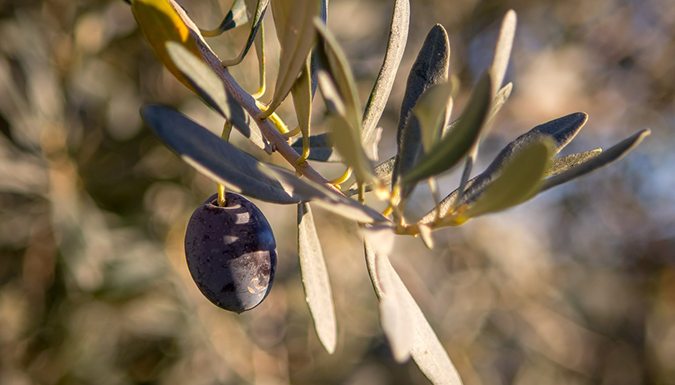
Agribusiness and Mediterranean Food Systems
Thessaloniki, Crete, Athens
Discover how food moves from farm to table in one of the world's most influential culinary regions. Through hands-on experiences with olive oil production, cheese making, sustainable agriculture, food marketing, and local food systems, students will explore the connections between agriculture, nutrition, food science, and business while comparing practices in Greece and the United States.
I'm InterestedIreland Animal Agriculture
Kilkenny, Killarney, Galway, and Dublin
Explore how different countries tackle major agricultural challenges like food security, sustainability, and water access through a hands-on study abroad experience in Ireland. This course takes you beyond the U.S. to examine how culture, economics, policy, and environmental priorities shape global agriculture, with a close look at Ireland and the European Union’s approach. You’ll gain a deeper understanding of both international and U.S. food systems while building problem-solving skills and real-world perspective.
I'm Interested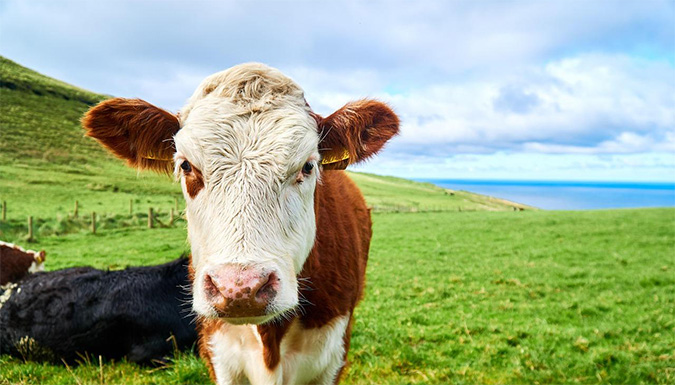
Mankwe Wildlife Reserve
South Africa
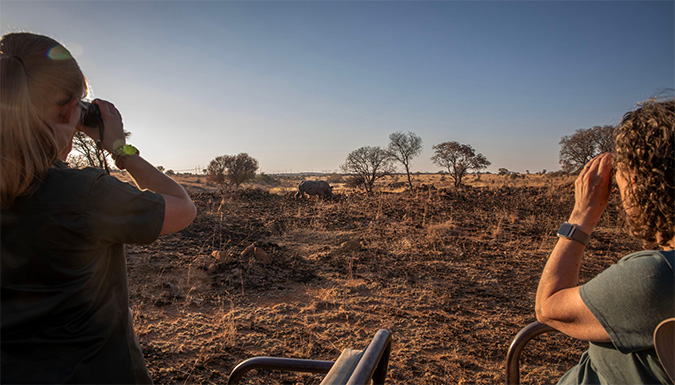
This study abroad program in South Africa offers an immersive look at global animal management for students interested in wildlife and domestic species. Guided by faculty, you’ll explore South Africa’s conservation efforts, agricultural practices, and culture before traveling abroad to see how these factors shape animal care and conservation. Based at Mankwe Wildlife Reserve, you’ll participate in game drives, observe animal behavior, and learn land management techniques. You’ll be better equipped to think critically and creatively about sustainable animal management across diverse environments and cultures.
I'm Interested