About
The South Carolina Water Resources Center is one of 54 institutes established by the U.S. Congress through the Water Resources Research Act of 1964. These institutes work collectively through the National Institutes for Water Resources (NIWR). The Center receives an annual federal matching grant administered by the U.S. Geological Survey (USGS) and serves as a research facilitator through two annual USGS grants competitions.
-
Research Emphasis
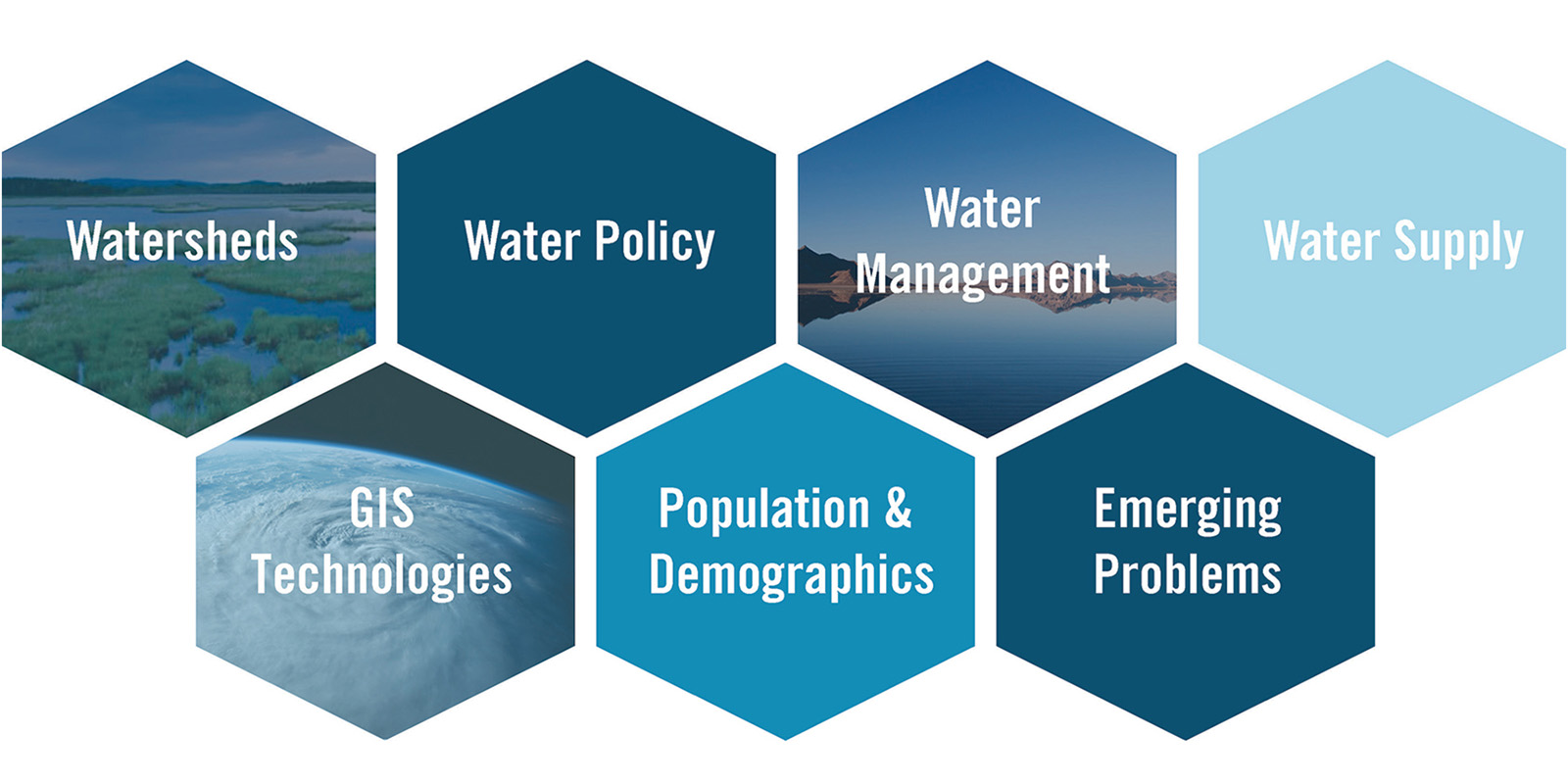
In South Carolina, the research emphasis is focused on the following areas:
Research Emphasis Watersheds Watershed-wide studies and management strategies within watersheds that affect South Carolina rivers and streams. Water Policy Policy implications related to the social, cultural and physical characteristics of the major streams, reservoirs and their watersheds. Water Management Issues regarding reservoirs and major streams influenced by management decisions made in bordering states. Water Supply Surface and groundwater issues, sedimentation, non-point source pollution, water quality and quantity issues as they relate to the management of watersheds and basins. GIS Technologies The use of geographic information systems (GIS), remote sensing and image analysis and other innovative technologies involved in water resources research, technology transfer and decision-making. Population and Demographics Demographic issues, population growth and pressure on reservoirs, recreation and tourism issues, and economic development issues. Emerging Problems Studies not included in other priority areas which are dedicated to solving emerging water problems and identified as critical issues by key state water management officials in the region. -
Advisory Board
The Center is assisted by an advisory board composed of stakeholders in our water resources from both the public and private sector. This group helps guide the research emphasis of the Center as well as help find additional funding avenues.
Joe Koon
Organization: SCDES
Role: Director of Water ResourcesKelly Johnson
Organization: SCDA
Role: Produce Safety ManagerHope Mizzell
Organization: SCDNR
Role: South Carolina State ClimatologistAlex Butler
Organization: SC Office of Resilience
Role: DirectorBen Duncan
Organization: SC Office of Resilience
Role: DirectorEmily Osborne
Organization: SC Sea Grant
Role: Executive DirectorStaci Blackwell
Organization: USDA/NRCS
Role: Acting State Resource ConservationistJohn Joiner
Organization: USGS
Role: Acting DirectorJeff Lineberger
Organization: Duke Energy
Role: General Manager, Water Strategy, Hydro Licensing & Lake ServicesDavid Baize
Organization: WEASC/SCAWWA
Role: Executive DirectorJames Riddle
Organization: Woolpert
Role: VP/Program Director, Water MarketEric Krueger
Organization: The Nature Conservancy
Role: Director of Science and Stewardship -
History
- April 14, 1964 - Clemson Agricultural College Board of Trustees approved the establishment of the Water Resources Research Institute (WRRI).
- July 17, 1964 - Signed into law by President Lyndon B. Johnson, the Water Resources Research Act of 1964 authorized the appropriation of funds to assist each state in establishing and carrying out the work of a water resources research institute.
- July 30, 1964 - South Carolina Governor Donald Russell wrote a letter to Clemson University President Robert C. Edwards which gave the responsibility and authority for the WRRI to act as the designated water center within South Carolina.
- 1998 - The WRRI was renamed the South Carolina Water Resources Center
Leadership:
- 1964-1975 - A.W. (Absalom West) Snell
- 1975-1978 - James T. Ligon
- 1978-1991 - Paul B. Zielinksi
- 1991-1996 - Earl J. Hayter
- 1997-2025 - Jeffery S. Allen
- 2025-present - Charles V Privette, III
About The Facility
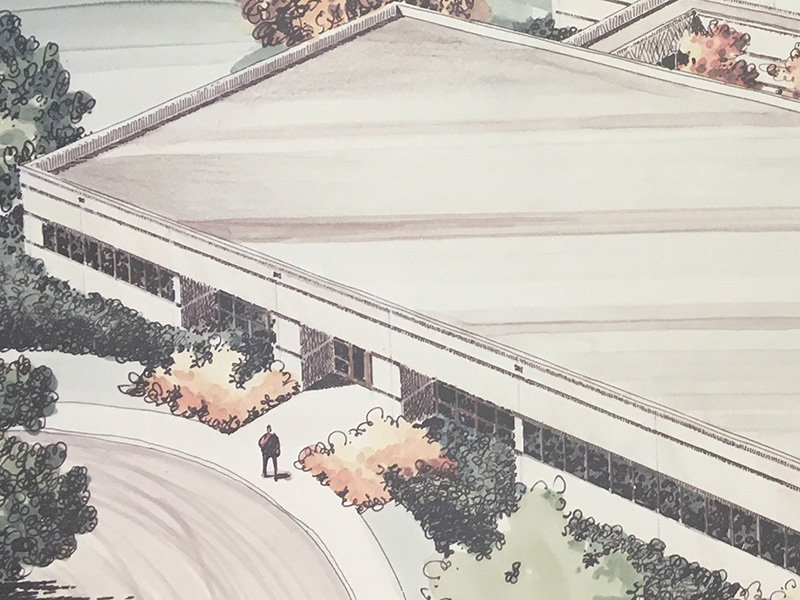
The South Carolina Water Resources Center offices are based in the Institute of Environmental Toxicology facility, known as CU-ENTOX, in Pendleton - just five miles from the main Clemson University campus. The Center is part of Public Service and Agriculture's comprehensive water resources program and is leading the establishment of the growing water programmatic base in the facility. The 32,400 square-foot building opened in 1990 and includes office, laboratory, classroom, and meeting space. The facility is an ideal near-campus location for research, monitoring, analysis, and technical instruction. Additionally, the property and landscape surrounding the building offers research opportunities that correspond with community needs in managing polluted runoff affecting South Carolina waterways.
The facility's technology capabilities and office and classroom space has been upgraded to conduct and offer virtual meetings, trainings, and webinars to water professionals across the state and southeast partnering universities. Ongoing renovation efforts will include new laboratory instrumentation, as well as additional overall building upgrades. The expanding team of water resources experts will be based in this building to conduct analytical water-related research, and provide research based natural resources management outreach, instruction, and demonstration. The facility's proximity to campus and research space will foster unification of staff and create capacity for more collaborative research.