Broadleaf M
Mallow family (Malvaceae)
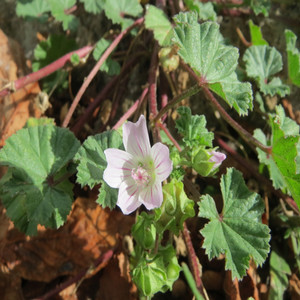
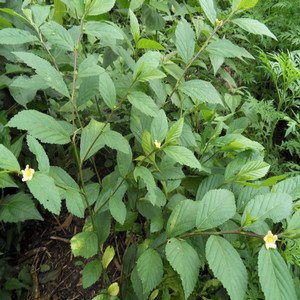
- Common mallow (Malva neglecta)
Growing habits: Spreading or nearly erect winter annual or biennial
Root anatomy: Short, straight fibrous roots from taproot
Leaf anatomy: Alternately arranged, simple, heart-shaped to round, shallowly lobed with 5-9 partitions to nearly unlobed, margins toothed, short pubescence on both surfaces and margins
Reproduction: Single or in clusters of 2-4 in leaf axils, 5 petals, white or tinged pink/purple
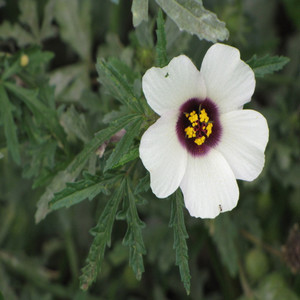
References: Weeds of the South by Charles T. Bryson and Michael S. DeFelice - Venice mallow (Hibiscus trionum)
Growing habits: Erect or spreading branched annual herb
Root anatomy: Fibrous roots from shallow taproot
Leaf anatomy: Alternately arranged, palmately lobed 3-7, margins coarsely toothed
Reproduction: Inflorescences solitary in leaf axils, yellow-white in color w/purple petal spot, petal margins often purple
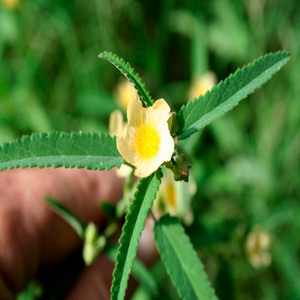
References: Weeds of the South by Charles T. Bryson and Michael S. DeFelice - Arrowleaf sida (Sida rhombifolia)
Growing habits: Erect, much-branched annual herb
Root anatomy: Fibrous roots from slender, branching long taproot
Leaf anatomy: Alternate, wide, simple, rhombic, widest at or slightly above middle, margins serrate only on half to ¾ of blade
Reproduction: Solitary in leaf axils, pale yellow, 5-petalled
References: Weeds of the South by Charles T. Bryson and Michael S. DeFelice - Prickly sida (Sida spinosa)
Growing habits: Erect, much-branched annual
Root anatomy: Fibrous roots from slender, branching long taproot
Leaf anatomy: Leaves arranged alternately, simple, lanceolate to oval w/serrated margins, small spikes at base of each leaf
Reproduction: Inflorescences solitary or clustered in leaf axils, 5 petals per flower, pale yellow in color
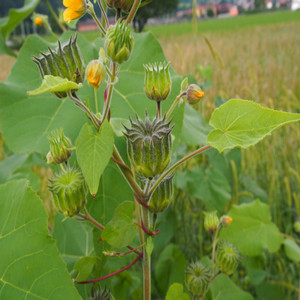
References: Weeds of the South by Charles T. Bryson and Michael S. DeFelice - Velvetleaf (Abutilon theophrasti)
Growing habits: Erect, sparingly branched annual herb
Root anatomy: Fibrous roots from taproot
Leaf anatomy: Alternately arranged, simple, heart-shaped, fine-toothed margins, pubescent
Reproduction: Solitary flowers, orange-yellow, 5 petals
References: Weeds of the South by Charles T. Bryson and Michael S. DeFelice
Melon family (Cucurbitaceae)
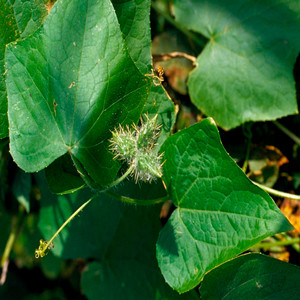
- Bur cucumber (Sicyos angulatus)
Growing habits: Climbing summer annual vine
Root anatomy: Fibrous roots from taproot
Leaf anatomy: Alternately arranged, wide, heart-shaped palmate leaves w/ 5 pointed lobes
Reproduction: Unisexual flowers, 5 petals, female flowers in clusters; fruit firm, not inflated, covered in barbed bristles
References: Weeds of the South by Charles T. Bryson and Michael S. DeFelice
Milkweed family (Apocynaceae)
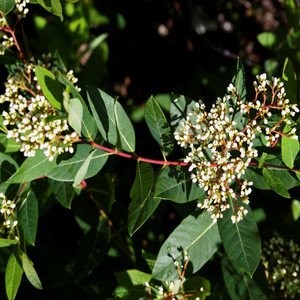
- Hemp dogbane (Apocynum cannabinum)
Growing habits: Erect woody perennial, milky sap in stem and leaves
Root anatomy: Initially fibrous from taproot; colonizes from long horizontal rootstock
Leaf anatomy: Oppositely arranged, simple, margins entire, ovate, glabrous or sparingly pubescent beneath, short petiole
Reproduction: Flowers in dense terminal cymes, white, perfect, small
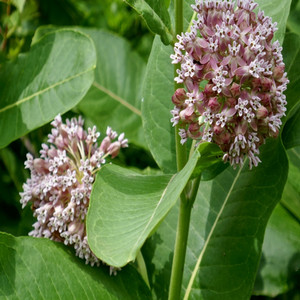
References: Weeds of the South by Charles T. Bryson and Michael S. DeFelice - Common milkweed (Asclepias syriaca)
Growing habits: Erect perennial herb, stout stem, milky sap throughout
Root anatomy: Fibrous roots from taproot with deep rhizome
Leaf anatomy: Opposite leaf arrangement, simple, margins entire, oblong, oval or ovate
Reproduction: Inflorescences in regular heads, 20-30 per head, purple to greenish white in color
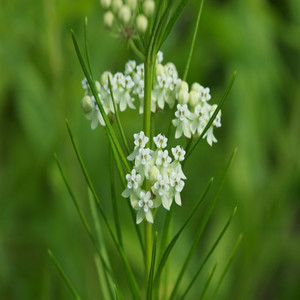
References: Weeds of the South by Charles T. Bryson and Michael S. DeFelice - Eastern whorled milkweed (Asclepias verticillata)
Growing habits: Erect, slender perennial herb, milky sap from stem
Root anatomy: Fibrous roots from shallow taproot with deep rhizome
Leaf anatomy: Whorled, 3-6 leaves per node, simple, blades narrowly linear, rolled downwar
Reproduction: In umbels, borne in clusters, 5 elliptic petals, greenish white to purple-tinged
References: Weeds of the South by Charles T. Bryson and Michael S. DeFelice - Honeyvine milkweed (Cynanchum laeve)
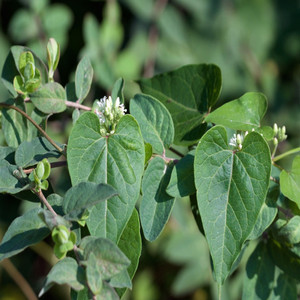
Growing habits: Deciduous, twining or trailing perennial vine
Root anatomy: Clustered fibrous roots from taproot and rhizomes
Leaf anatomy: Leaves oppositely arranged, simple, ovate, cordate, heart-shaped
Reproduction: Corymb, corolla white to light cream, narrowly oblong to lanceolate
References: Weeds of the South by Charles T. Bryson and Michael S. DeFelice
Mint family (Lamiasceae)
- Purple deadnettle (Lamium purpureum)
Growing habits: Erect or decumbent winter annual herb
Root anatomy: Shallow fibrous roots from taproot
Leaf anatomy: Leaves arranged opposite, orbicular to ovate, deep green to purple, margins scalloped and bristly
Reproduction: Cyme inflorescence, corolla purple-red
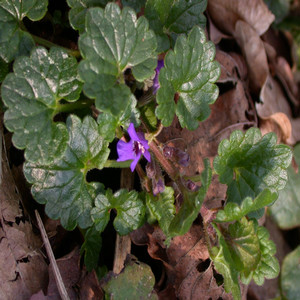
References: Weeds of the South by Charles T. Bryson and Michael S. DeFelice - Ground ivy (Glechoma hederacea)
Growing habits: Creeping perennial herb
Root anatomy: Fibrous roots from taproot, stems, stolons, and rhizomes
Leaf anatomy: Oppositely arranged, round to cordate or reniform, pubescent, margins crenate & ciliate, green or purplish green on one or both sides
Reproduction: Terminal or axillary cyme, clusters of 2-7 flowers; corolla blue-violet, sometimes with red-purple specks, bilateral symmetry, lobes sharp-pointed and triangular
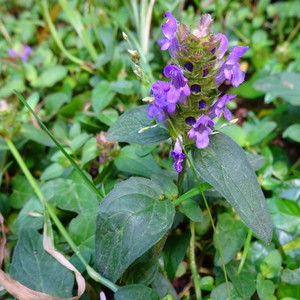
References: Weeds of the South by Charles T. Bryson and Michael S. DeFelice - Heal-all (Prunella vulgaris)
Growing habits: Erect or ascending branched perennial, square stems
Root anatomy: Fibrous roots from taproot and short, slender rhizomes
Leaf anatomy: Opposite to whorled leaves, narrow, elliptic/lanceolate/lance-ovate, margins entire to serrate
Reproduction: Flowers purple/violet/blue/white, attractive, upper lip unlobed, lower lip with 2 lobes toward base
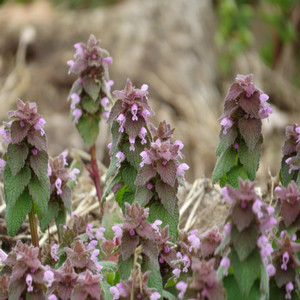
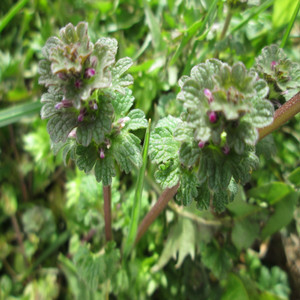
References: Weeds of the South by Charles T. Bryson and Michael S. DeFelice - Henbit (Lamium amplexicaule)
Growing habits: Erect or decumbent winter annual or biennial herb, square stem
Root anatomy: Fibrous roots from taproot
Leaf anatomy: Leaves opposite, triangular to circular, margins with rounded teeth, venation palmate, dark green on top but lighter green below
Reproduction: Inflorescences consist of whorls in axis of upper leaves, corolla fused, red-violet in color; mericarp fruits
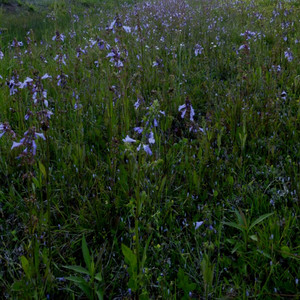
References: Weeds of the South by Charles T. Bryson and Michael S. DeFelice - Lyreleaf sage (Salvia lyrata)
Growing habits: Erect perennial or biennial herb
Root anatomy: Fibrous from taproot and rhizomes
Leaf anatomy: Mostly in basal rosette, opposite upward; pinnately rounded-lobed, glabrous, veins of lower leaves often shaded purple
Reproduction: Flowers pale blue to violet, whorls of 3-10 bracts, oblong-linear
References: Weeds of the South by Charles T. Bryson and Michael S. DeFelice
Morningglory family (Convolvulaceae)
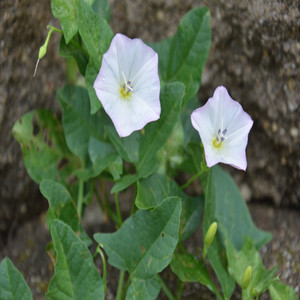
- Field bindweed (Convolvulus arvensis)
Growing habits: Climbing or trailing perennial vining herb
Root anatomy: Fibrous roots from taproot, spirally twisting, branched rootstock sometimes >2m in depth
Leaf anatomy: Leaves alternate, simple, variable in outline from triangular to oblong, margins entire or somewhat undulate
Reproduction: Inflorescences solitary or in cymes of 2-4, corolla campanulate, white to pink tinged; capsule fruits
References: Weeds of the South by Charles T. Bryson and Michael S. DeFelice - Hedge bindweed (Calystegia sepium)
Growing habits: Climbing or trailing perennial vining herb
Root anatomy: Fibrous roots from taproot, long and branched; deep fleshy rootstock
Leaf anatomy: Alternately arranged, simple, triangular or ovate to ovate-lanceolate, usually glabrous, margins entire or undulate
Reproduction: Solitary on pedicel, funnelform corolla, white or pink in color
References: Weeds of the South by Charles T. Bryson and Michael S. DeFelice - Carolina dichondra (Dichondra carolinensis)
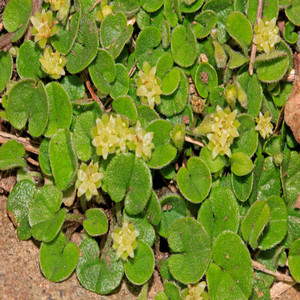
Growing habits: Creeping, mat-forming, procumbent perennial
Root anatomy: Fibrous roots from taproot
Leaf anatomy: Leaves alternate, suborbicular to reniform, margins entire
Reproduction: inconspicuous in green-white clusters in leaf axils, solitary
References: Weeds of the South by Charles T. Bryson and Michael S. DeFelice - Cypressvine morningglory (Ipomoea quamoclit)
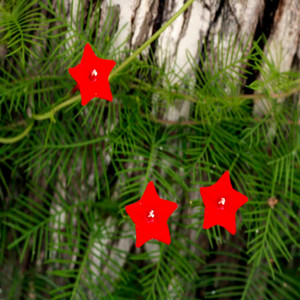
Growing habits: Climbing or twining vining annual herb
Root anatomy: Fibrous roots from taproot
Leaf anatomy: Leaves alternate, simple, deeply pinnately divided with 9-19 pairs of opposite linear segments
Reproduction: Inflorescence axillary, solitary or 2-5 in cymes, funnelform, deep red to scarlet-white, elliptic to oblong
References: Weeds of the South by Charles T. Bryson and Michael S. DeFelice - Ivyleaf morningglory (Ipomoea hederacea)
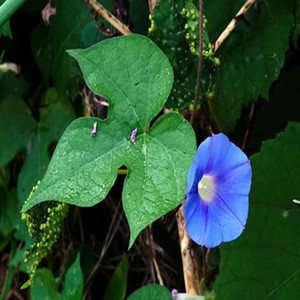
Growing habits: Climbing or twining annual vining herb
Root anatomy: Fibrous roots from taproot
Leaf anatomy: Alternate, simple, margins entire or lobed, either heart-shaped or with 3 lobes, pubescent, erect/suberect trichomes
Reproduction: Axillary inflorescences, up to 3 per axil, funnelform, blue with white center but becomes rose purple when withering, tips curled outward
References: Weeds of the South by Charles T. Bryson and Michael S. DeFelice - Purple morningglory (Ipomoea turbinata)
Growing habits: Climbing/twining vining annual herb
Root anatomy: Fibrous roots from taproot
Leaf anatomy: Alternately arranged, simple, heart-shaped, glabrous
Reproduction: Flowers light purple or lavender, funnelform
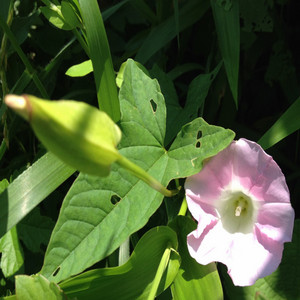
References: Weeds of the South by Charles T. Bryson and Michael S. DeFelice - Sharp-pod morningglory (Ipomoea cordatotriloba)
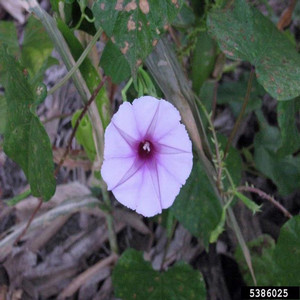
Growing habits: Climbing or trailing annual or perennial vining herb
Root anatomy: Taproot that becomes a long-lived branched rootstock
Leaf anatomy: Alternately arranged, simple, heart-shaped, margins entire to deeply 3-5 lobed, glabrous but rarely pubescent
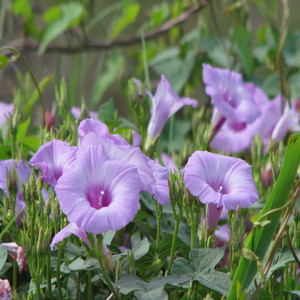
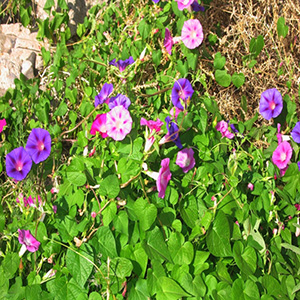
Flowers: Axillary, usually 1, funnelform corolla, rosy lavender color, dark center
References: Weeds of the South by Charles T. Bryson and Michael S. DeFelice - Tall morningglory (Ipomoea purpurea)
Growing habits: Climbing or trailing, vining annual herb
Root anatomy: Fibrous roots from taproot
Leaf anatomy: Leaves heart-shaped, margins entire or rarely 5-lobed
Reproduction: Clusters of 3-5 flowers in cymes, rarely solitary, funnelform, purple or occasionally blue or white w/a white center
References: Weeds of the South by Charles T. Bryson and Michael S. DeFelice
Mustard family (Brassicaceae)
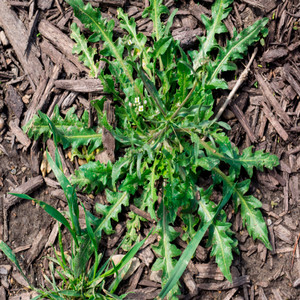
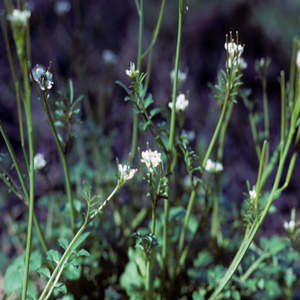
- Smallflower bittercress (Cardamine parviflora)
Growing habits: Erect delicate annual or biennial herb
Root anatomy: Fibrous roots from taproot
Leaf anatomy: Basal leaves arranged in rosette, arranged alternately further up along stem, leaves of basal rosette larger than those located apically, pinnate, terminal leaflet oblong to broadly obovate; stem leaves terminal segment narrow to oblong, linear segments linear to linear-spatulate
Reproduction: Raceme inflorescence, 4 white corollas
References: Weeds of the South by Charles T. Bryson and Michael S. DeFeliceSmallflower bittercress
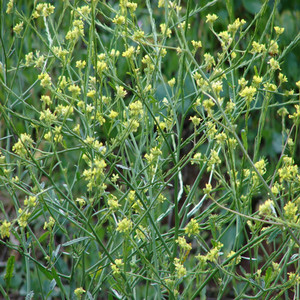
- Black mustard (Brassica nigra)
Growing habits: Erect, branching winter annual herb
Root anatomy: Fibrous roots from taproot
Leaf anatomy: Alternately arranged, ovate to oovate, lower leaves loped while upper leaves dentate
Reproduction: elongated terminal raceme inflorescence, yellow 4-petal flowers
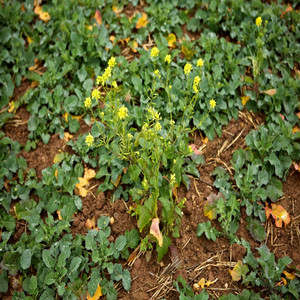
References: Weeds of the South by Charles T. Bryson and Michael S. DeFelice - Wild mustard (Sinapis arvensis)
Growing habits: Erect winter or summer annual herb
Root anatomy: Fibrous roots from taproot
Leaf anatomy: Leaves alternate, obovate, lanceolate, lyrate-pinnatifid or undivided, lower leaves lobed w/toothed margins, upper leaves oblong to ovate
Reproduction: Flowers in conspicuous clusters at branch terminals, yellow, 4 petals
References: Weeds of the South by Charles T. Bryson and Michael S. DeFelice - Wild radish (Raphanus raphanistrum)
Growing habits: Erect winter annual
Root anatomy: Fibrous roots from stout taproot
Leaf anatomy: Basal rosette of leaves, alternate above base, lower leaves obovate-oblong in outline, lyrate or pinnatifid into 5-15 segments, upper leaves much smaller, margins entire or dentate
Reproduction: Flowers yellow, becoming white with age
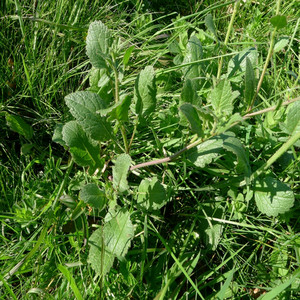
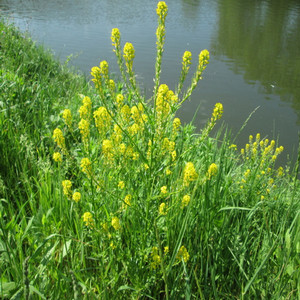
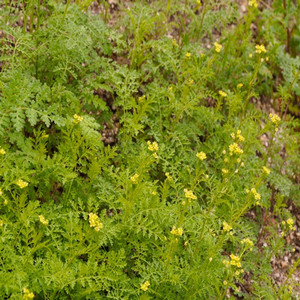
References: Weeds of the South by Charles T. Bryson and Michael S. DeFelice - Yellow rocket (Barbarea vulgaris)
Growing habits: Erect biennial or winter annual herb
Root anatomy: Fibrous roots from taproot
Leaf anatomy: Alternately arranged, pinnately dissected, basal leaves with large lobe at leaf end, lateral leaves lobed (4-8 normally), leaves less lobed apically
Reproduction: Elongated raceme inflorescences, bright yellow flowers; pod fruit
References: Weeds of the South by Charles T. Bryson and Michael S. DeFelice - Shepherd's purse (Capsella bursa-pastoris)
Growing habits: Erect winter annual or biennial herb
Root anatomy: Fibrous roots from slender taproot
Leaf anatomy: Leaves arranged in rosette at base then alternate above, dissected, lobed or cleft segments, arrow-shaped, leaves get smaller apically
Reproduction: Elongated raceme inflorescence, petals white, entire, arranged in a cross; heart-shaped fruits
References: Weeds of the South by Charles T. Bryson and Michael S. DeFelice - Lesser swinecress (Coronopus didymus)
Growing habits: Prostrate, procumbent, spreading or ascending extensively branching annual or biennial herb
Root anatomy: Fibrous roots from taproot
Leaf anatomy: Rosette of leaves around base, alternately arranged up stem, wide, oblong in general outline, pinnatifid, leaf segments entire or with a few deep teeth
Reproduction: Raceme inflorescence, petals small, white, filiform
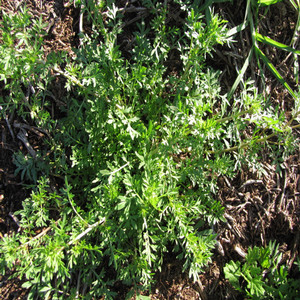
References: Weeds of the South by Charles T. Bryson and Michael S. DeFelice - Pinnate tansymustard (Descurainia pinnata)
Growing habits: Erect spring or winter annual herb
Root anatomy: Fibrous roots from taproot
Leaf anatomy: Alternately arranged, lower leaves 2-3x divided with narrow-ovate segments, upper leaves smaller and less divided
Reproduction: Elongated terminal racemes, yellow 4 petal flowers
References: Weeds of the South by Charles T. Bryson and Michael S. DeFelice