Skip to content

CREC Vegetable Weed Lab

Identification Tips

Botany Terminology for Weed Identification

Life Cycle

Annual

  • grows, reproduces, & dies back within one growing season
  • Summer annuals germinate during warm seasons
  • Winter annuals germinate during cool/cold seasons

Biennial - grows, reproduces, & dies over a two-year period

Perennial - live & reproduce indefinitely, may have periods of dormancy

Roots

Taproot

Description: Long central root w/ smaller secondary roots extending out

Taproot

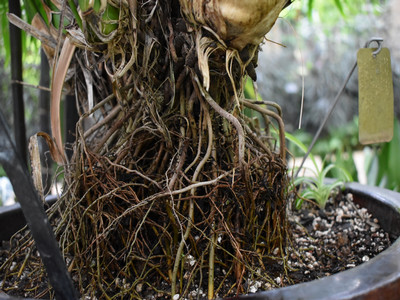
Fibrous roots

Description: Many long, branching roots w/ smaller secondary roots extending out

Fibrous roots

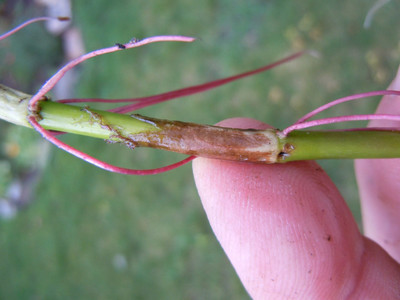
Adventitious

Description: Roots formed from areas of the plant other than the root meristem, generally from the stem

Adventitious roots

Perennial Growth Structures

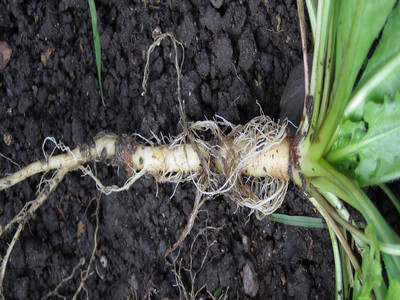
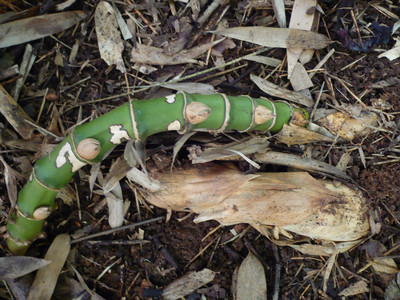
Rhizome

Description: Horizontal stem that forms beneath the ground & sends up shoots above ground & roots below ground

Rhizome

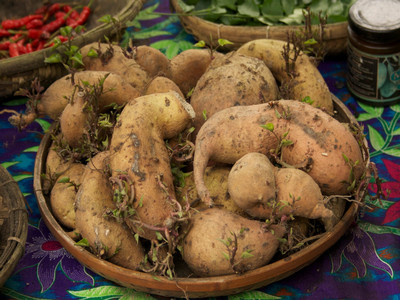
Tuber

Description: Large carbohydrate-rich storage organ that forms beneath the ground

Tuber

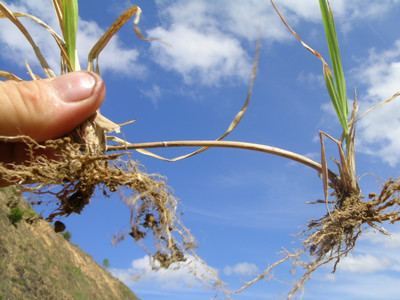
Stolon

Description: Horizontal stem that extends runners above ground that produce new plants w/ complete shoots and roots which produce more runners

Stolon

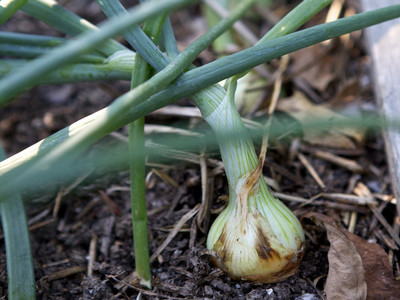
Bulb

Description: Large storage organ that forms beneath the ground comprised of a small stem surrounded by layers of fleshy storage leaves

Bulb

Leaf Shape Types

Lanceolate leaf

lanceolate

Linear leaf

linear

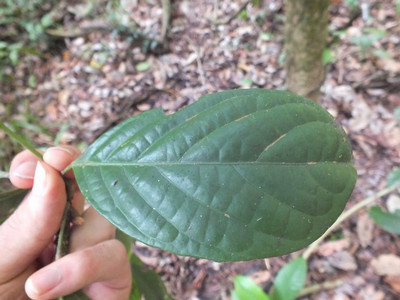
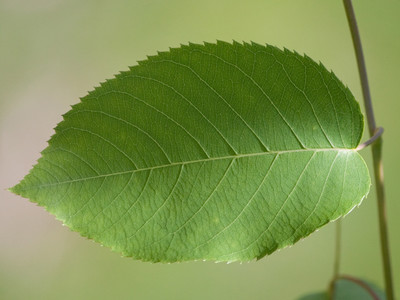
Elliptic leaf

Elliptic

Oblong leaf

Oblong

Obovate leaf

Obovate

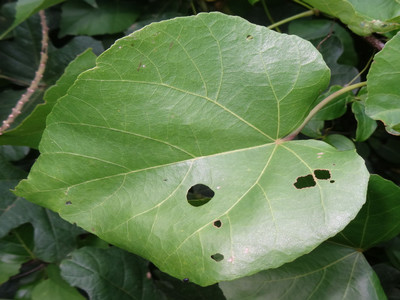
Orbicular leaf

Orbicular

Spatulate leaf

Spatulate

Obovate leaf

Obovate

Reniform leaf

Reniform

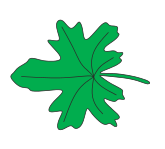
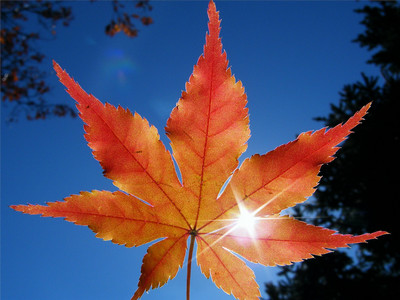
Palmatisect leaf

Palmatisect

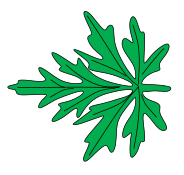
Palmitifide leaf

Palmitifide

Pedate leaf

Pedate

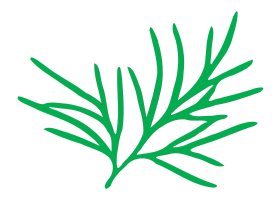
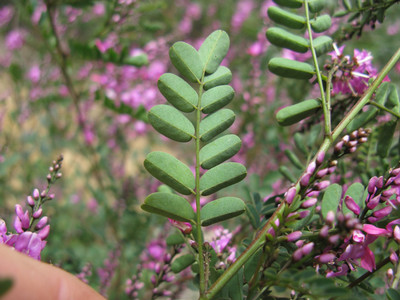
Pinnate leaf

Pinnate

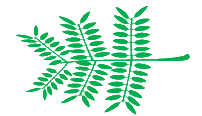
Bipinnate leaf

Bipinnate

Tripinnate leaf

Tripinnate

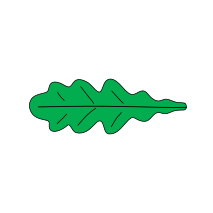
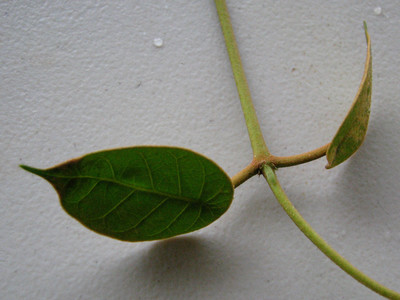
Pinnatifid leaf

alt

Obcordate leaf

Obcordate

Trifoliate leaf

Trifoliate

Multifide leaf

Multifide

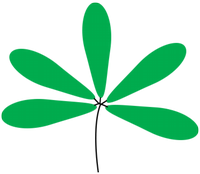
Palmately Compound

Palmately Compound

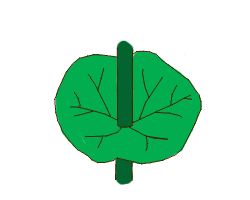
Perfoliate leaf

Perfoliate

Leaf Arrangements

Alternate

Leaves grow on a single side of the stem per node

Alternate leaves

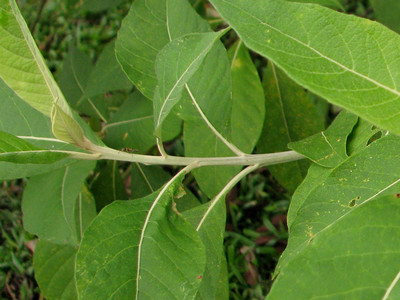
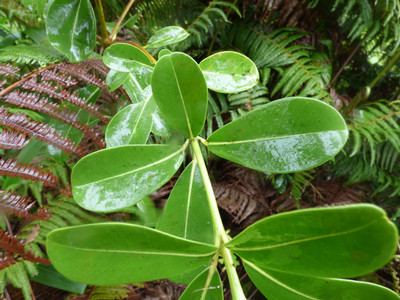
Opposite

Leaves grow on both sides of the stem per node

Opposite leaves

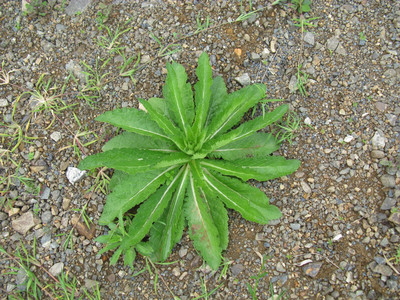
Basal rosette

A ring of leaves that forms around the base of the stem

Basal rosette leaves

Whorled

A ring of leaves that forms along the stem

Whorled leaves

Leaf Margins

Entire

Description: Round leaf margin

entire margin

Crenate

Description: Crinkled leaf margin

crenate margin

Serrate

Description: Saw-like leaf margin

serrate margin

Palmate

Description: Leaflets coming off the end of a single leaf petiole

palmate margin

Pinnate

Description: Leaflets branching out along the length of a single leaf petiole

pinnate margin

Growing Habits

Erect

Description: Stem growing straight up

erect

Climbing via tendrils

Description: Stem grows up along a surface using tendrils

climbing via tendrils

Climbing via twining

Description: Stem grows up a surface by wrapping around it

Climbing via twining

Ascending

Description: Stems growing up & out

Ascending

Decumbent

Description: Stems growing out horizontally but curve up at the ends

Decumbent

Prostrate

Description: Stems growing out horizontally along the ground

Prostrate

Grass Identification Tips

Because the leaves and flowers of grasses can often look similar to one another, being able to identify the unique anatomical features that can be used to differentiate between the various grass genera and species is important. 

Awn

Description: A spike or bristle extending off grass seeds found in some grass species
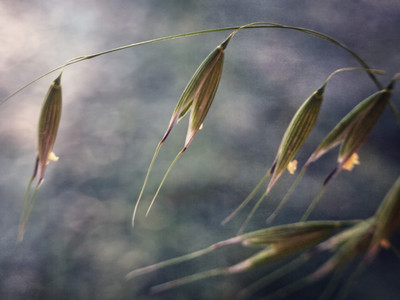
awn

Blade

Description: Leaf of a grass plant
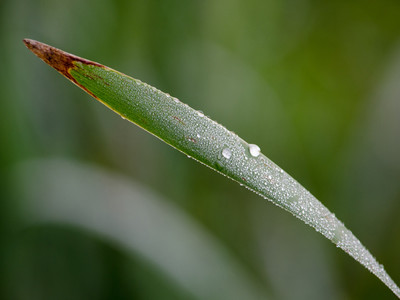
blade

Pubescent

Description:  Covered in hairs
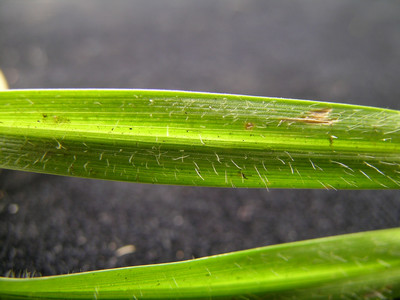
Pubescent

Glabrous

l Description:  Completely lacking hairs
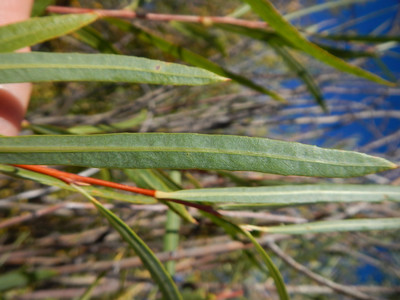
Glabrous

Sheath

Description:  Area at base of leaf that wraps around the stem of grass plant
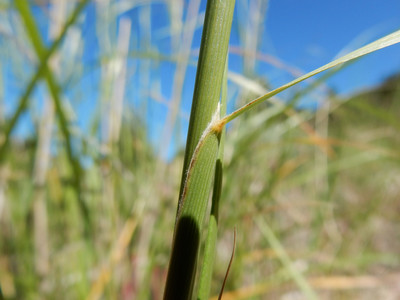
sheath

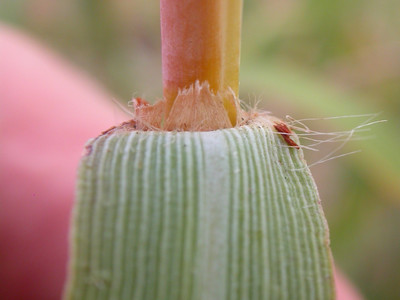
Ligule

Description:  Membrane or fringe of hairs near the area where the leaf sheath & blade meet (called the collar)
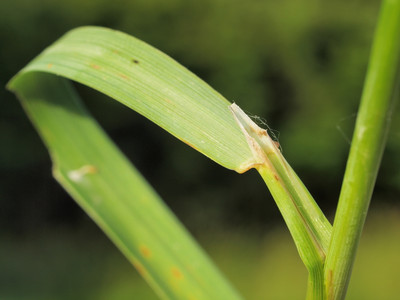
Ligule

Ligule

Auricle

Description:  Extension at base of leaf blade present in some grass species; adjacent to collar between blade and sheath
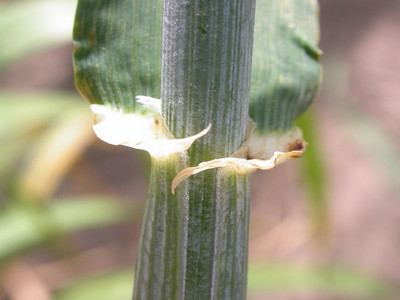
Auricle

Panicle inflorescence

Description:  Type of flower where flower clusters are attached to stem by branchlets connected to branches coming off the stem
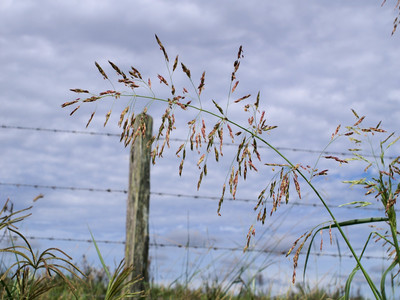
Panicle inflorescence

Raceme inflorescence

Description: T ype of flower where flower clusters are attached to stem by branches connected to the stem
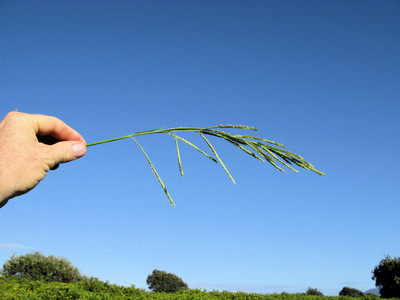
Raceme inflorescence

Spike inflorescence

Description: Type of flower where flower clusters are attached directly to stem
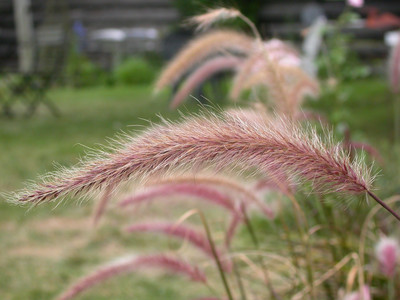
Spike inflorescence

References

References: Weeds of the South by Charles T. Bryson and Michael S. DeFelice, Weeds of the Northeast by Richard H. Uva, Joseph C. Neal, and Joseph M. DiTomaso

Leaf shape diagrams: Wikimedia