Broadleaf N-Z
Nightshade family (Solanaceae)
- Cutleaf groundcherry (Physalis angulata)
Growing habits: Erect, branching annual herb
Root anatomy: Fibrous roots from taproot
Leaf anatomy: Alternately arranged leaves, ovate, thin, lanceolate to widely ovate, margins coarsely irregular/indented/nearly entire
Reproduction: Inflorescence silitary in leaf or branch axils, dull yellowish; berry fruit, surrounded by inflated papery calyx
References: Weeds of the South by Charles T. Bryson and Michael S. DeFelice - Carolina horsenettle (Solanum carolinense)
Growing habits: Erect to spreading rhizomatous perennial herb
Root anatomy: Fibrous roots from taproot and creeping subterranean rhizomes
Leaf anatomy: Leaves alternately arranged, simple, crowded, paler on bottom, elliptic-oblong to oval in shape, margin indulated or lobed
Reproduction: Raceme-like cluster inflorescences, flowers star-shaped and white to pale violet in color; produces yellow-green berries when pollenated
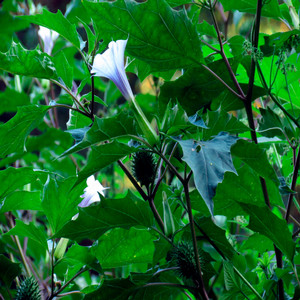
References: Weeds of the South by Charles T. Bryson and Michael S. DeFelice - Jimsonweed (Datura stramonium)
Growing habits: Erect, stocky, many-branched herb
Root anatomy: Lengthy fibrous root network extending from taproot
Leaf anatomy: Leaves alternately arranged, simple, ovate, acute tips, margins toothed with large triangular teeth
Reproduction: Flowers large, funnelform, flowers with thin extensions at petal fuse margins, white or purple in color; spiny capsule fruit, light brown when mature
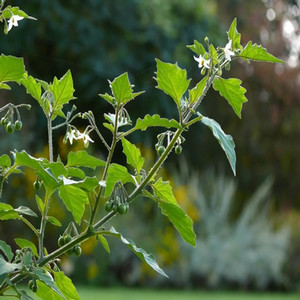
References: Weeds of the South by Charles T. Bryson and Michael S. DeFelice - American black nightshade (Solanum americanum)
Growing habits: Fibrous roots from a shallow taproot
Root anatomy: Erect or spreading annual or short-lived perennial herb
Leaf anatomy: Wide, simple, ovate or ovate-lanceolate, leaf margins entire or somewhat crenate
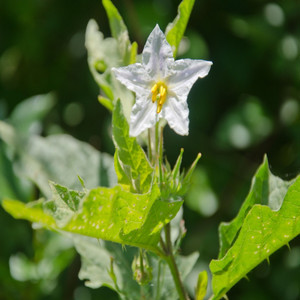
Reproduction: Via star-shaped white flowers which produce berry fruit when pollenated
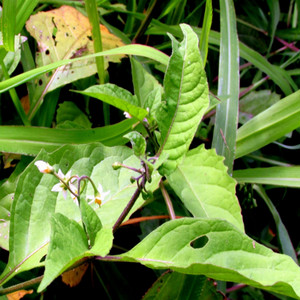
References: Weeds of the South by Charles T. Bryson and Michael S. DeFelice - Eastern black nightshade (Solanum ptycanthum)
Growing habits: Erect, branching annual herb or short-ived perennial herb in mild climates
Root anatomy: Fibrous roots from shallow taproot
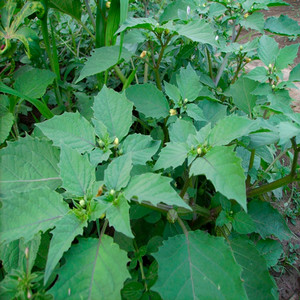
Leaf anatomy: Leaves alternate, simple, petioled, ovate or ovate-lanceolate, margins variable and affected by environment, subglabrous to moderately pubescent
Reproduction: Inflorescence in umbel-like clusters, star-shaped, 4-5 per cluster, corolla white, often streaked or deeply tinted purple; berry fruits, purplish black or dark green at maturity
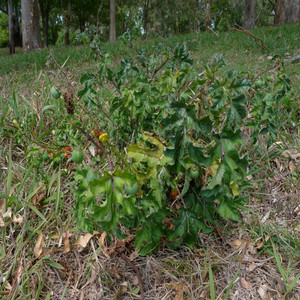
References: Weeds of the South by Charles T. Bryson and Michael S. DeFelice - Red soda apple (Solanum capsicoides)
Growing habits: Erect spreading perennial shrub
Root anatomy: Fibrous roots from taproot and rhizomes
Leaf anatomy: Alternate arrangement, blades ovate-triangular; sinuate-lobed, scattered pubescence, prickles broad-based
Reproduction: lateral, few-flowered, corolla white to cream-colored with 5 petals, yellow stamen
References: Weeds of the South by Charles T. Bryson and Michael S. DeFelice
Pennywort family (Araliaceae)
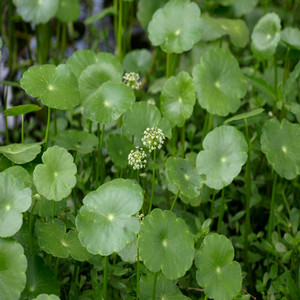
- Dollarweed (Hydrocotyle umbellata)
Growing habits: Spreading aquatic perennial herb
Root anatomy: Fibrous roots
Leaf anatomy: Simple, alternately arranged, crenate to slightly lobed margins, globular
Reproduction: Clusters of white flowers, 5 petals
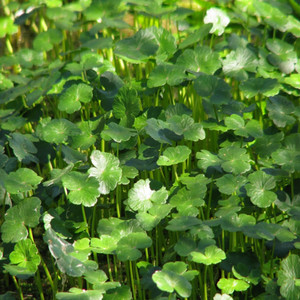
References: Go Botany Native Plant Trust - Floating Pennywort (Hydrocotyle ranunculoides)
Growing habits: Spreading aquatic perennial herb
Root anatomy: Fibrous roots, roots from nodes
Leaf anatomy: Simple, orbicular to orbicular-reniform, palmately lobed, crenate margins, 3-5 lobes
Reproduction: Short flowering stalks, pale green to white, 5 petals, 5-13 flowers per stalk, small achene fruit
References: Illinois Wildflowers
Plantain family (Plantaginaceae)
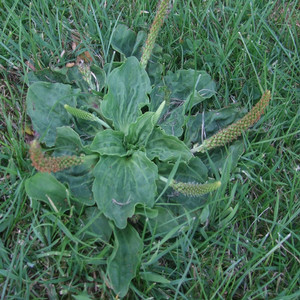
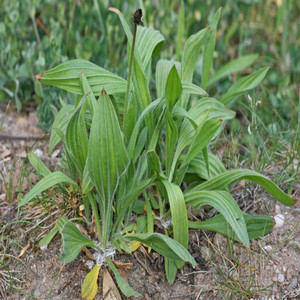
- Blackseed Plantain (Plantago rugelii)
Growing habits: Erect perennial herb
Root anatomy: Fibrous roots from slender to stout taproot
Leaf anatomy: Rosette arrangement, wide, broadly elliptic to oval, winged petioles
Reproduction: Spike inflorescence, cylindrical, capsule fruit
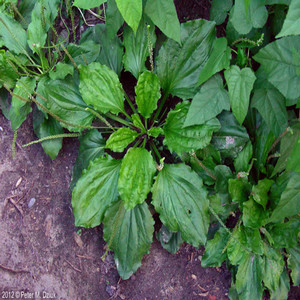
References: Weeds of the South by Charles T. Bryson and Michael S. DeFelice - Broadleaf Plantain (Plantago major)
Growing habits: Erect perennial/occasionally annual herb
Root anatomy: Fibrous roots from taproot and rhizome
Leaf anatomy: Rosette arrangement, elliptic/oval shape, leaf margins entire and wavy
Reproduction: Small white flowers, ovate bracts, sharp-pointed keel
References: Weeds of the South by Charles T. Bryson and Michael S. DeFelice - Buckhorn Plantain (Plantago lanceolata)
Growing habits: Erect perennial/occasionally annual herb
Root anatomy: Slender fibrous roots from taproot and emerging basal axis
Leaf anatomy: Basal rosette of linear to lanceolate leaves
Reproduction: Flowers dense on terminal spikes, broadly ovate bracts
References: Weeds of the South by Charles T. Bryson and Michael S. DeFelice - Corn Speedwell (Veronica arvensis)
Growing habits: Somewhat branched winter or spring annual
Root anatomy: Slender, highly branched taproot
Leaf anatomy: Lower leaves hairy, oval-orbicular, crenate along margins, oppositely arranged; middle to upper leaves linear-oblong to lanceolate, smooth or slightly crenate along margins, alternately arranged
Reproduction: Blue to blue-violet flowers, 4 petal-like lobes; heart-shaped seed capsules
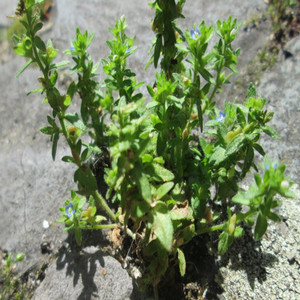
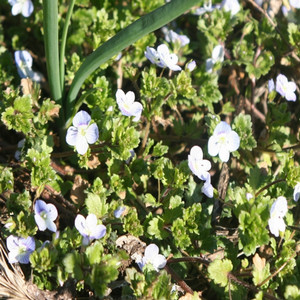
References: Weeds of the South by Charles T. Bryson and Michael S. DeFelice - Persian Speedwell (Veronica persica)
Growing habits: Erect to ascending cool-season annual herb
Root anatomy: Fibrous roots from taproot
Leaf anatomy: Opposite below, alternate above; broadly ovate, pubescent with short petioles, dentate w/3-5 teeth
Reproduction: Sky blue flowers with dark stripes and white center, stalks in leaf axils; capsule fruit
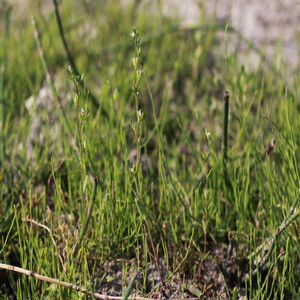
References: Weeds of the South by Charles T. Bryson and Michael S. DeFelice - Purslane Speedwell (Veronica peregrina)
Growing habits: Erect to ascending low growing cool-season annual herb
Root anatomy: Fibrous roots from short taproot
Leaf anatomy: Oppositely arranged below but alternate further up, linear-oblong to oblanceolate, lower leaves petioled with irregularly toothed to serrate margins; can be glabrous or pubescent, glandular trichomes
Reproduction: Raceme w/bracts, solitary in upper axils; flowers 4-lobed, white; capsule fruits
References: Weeds of the South by Charles T. Bryson and Michael S. DeFelice
Purslane family (Portulacaceae)
- Common Purslane (Portulaca oleracea)
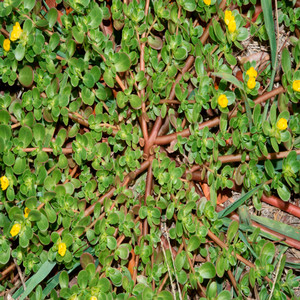
Growing habits: Prostrate, fleshy, succulent, drought-resistant annual
Root anatomy: Fibrous roots from taproot
Leaf anatomy: Leaves alternate or nearly opposite, spatulate or obovate
Reproduction: Inflorescences solitary in leaf axils or several together in leaf clusters at branch terminal ends, 5 sessile yellow petals
References: Weeds of the South by Charles T. Bryson and Michael S. DeFelice
Smartweed-Buckweat family (Polygonaceae)
- Broadleaf Dock (Rumex obtusifolius)
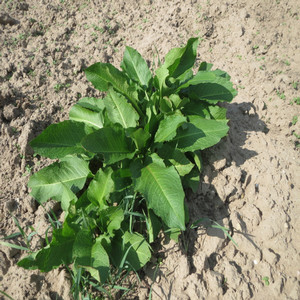
Growing habits: Erect, single-stemmed perennial herb
Root anatomy: Fibrous from fleshy, yellow taproot
Leaf anatomy: Alternately arranged, simple, flat, margins slightly wavy, upper leaves smaller and more pointed, lower leaves with reddish veins
Flower: Clusters of racemes, terminal, perfect, petals absent, sepals develop into valves or wings of achene fruit
References: Weeds of the South by Charles T. Bryson and Michael S. DeFelice - Curly Dock (Rumex crispus)
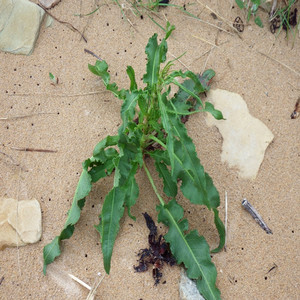
Growing habits: Erect, coarse, stout, unbranched perennial herb
Root anatomy: Fibrous roots from fleshy taproot, yellow-orange
Leaf anatomy: Leaves alternately arranged, simple, margins undulate and crimped
Reproduction: Terminal panicle inflorescences, monoecious, petals absent, 6 sepals, inner 3 winged
References: Weeds of the South by Charles T. Bryson and Michael S. DeFelice - Prostrate Knotweed (Polygonum aviculare)
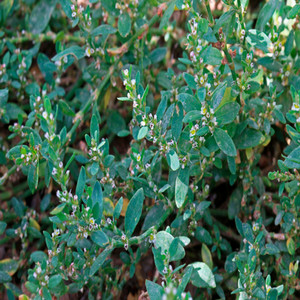
Growing habits: Extensively branched prostrate to loosely ascending annual herb, conspicuous nodes along stem
Root anatomy: Slender roots from taproot, commonly not rooting at nodes
Leaf anatomy: Leaves alternate, simple, linear w/entire margins, blue-green in color
Reproduction: Inflorescences in axillary clusters, small, perfect, included in or barely exerted from leaf axil
References: Weeds of the South by Charles T. Bryson and Michael S. DeFelice - Ladysthumb (Polygonum persicaria)
Growing habits: Erect or spreadding summer annual w/swollen nodes along stem
Root anatomy: Fibrous roots extending from taproot
Leaf anatomy: Leaves alternately arranged, smooth, lanceolate & acute at tip
Reproduction: Inflorescences in short, cylindrical terminal raceme, flower color varies from pink to rose purple to green to white; achene fruit
References: Weeds of the South by Charles T. Bryson and Michael S. DeFeliceLadysthumb

- Pennsylvania Smartweed (Polygonum pensylvanicum)
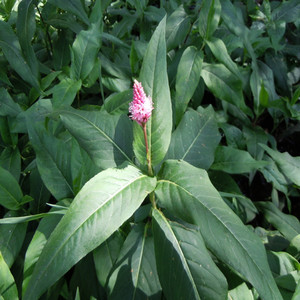
Growing habits: Tall, erect summer annual herb
Root anatomy: Fibrous roots from taproot
Leaf anatomy: Leaves alternate, simple, lanceolate, pointed at tip
Reproduction: Many flowers in a dense spike at ends of stem/branches, pink or occasionally white
References: Weeds of the South by Charles T. Bryson and Michael S. DeFelicePennsylvania Smartweed
- Swamp Smartweed (Polygonum amphibium)
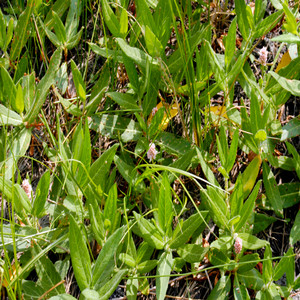
Growing habits: Erect perennial from long, creeping woody rootstocks
Root anatomy: Stout, woody creeping rootstocks
Leaf anatomy: Alternately arranged, lanceolate, round base, pointed tip, can be pubescent in drier environments
Reproduction: Compact spike at tip of stem, rose to pink flowers
References: Weeds of the South by Charles T. Bryson and Michael S. DeFelice - Red Sorrel (Rumex acetosella)
Growing habits: Erect, slender rhizomatous perennial herb
Root anatomy: Fibrous, slender, creeping roots from long yellow taproot and rhizomelike roots with buds
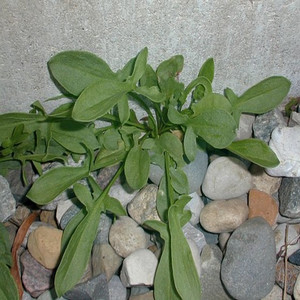
Leaf anatomy: Alternately arranged, variable in size, usually 3-lobed, terminal lobe narrowly elliptic to oblong, lateral lobes smaller, triangular, divergent
Reproduction: Dioecious plants, occasionally polygamous, pedicel jointed next to flower, outer tip lanceolate, inner tip in male florets, female florets broadly ovate
References: Weeds of the South by Charles T. Bryson and Michael S. DeFelice
Spurge family (Euphorbiaceae)
- Tropic Croton (Croton glandulosus)
Growing habits: Erect summer annual herb
Root anatomy: Fibrous roots from shallow taproot
Leaf anatomy: Alternate, simple, oblong to egg-shaped, margins sharply serrate; trichomes glandular, whitish, cartilaginous, saucer-shaped, on each side
Reproduction: monoecious, terminal racemes, female flowers basically petalless, male flowers 4-5 petals
References: Weeds of the South by Charles T. Bryson and Michael S. DeFelice - Hogwort (Croton capitatus)
Growing habits: Erect annual herb
Root anatomy: Fibrous roots from taproot
Leaf anatomy: Alternately arranged, simple, lanceolate, pubescent, appearing white-ish, margins entire, deciduous
Reproduction: Monoecious plants, terminal inflorescence; no petals on female flowers, 3 styles, deeply dichotomous; male flowers with 5 petals, 7-12 stamens
References: Weeds of the South by Charles T. Bryson and Michael S. DeFelice - Spotted Spurge (Chamaesyce maculata)
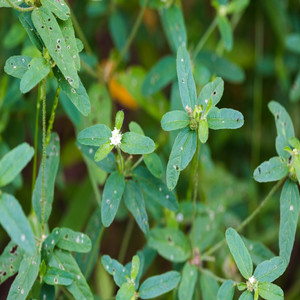
Growing habits: Prostrate or decumbent highly branched annual herb
Root anatomy: Fibrous roots from taproot, occasional adventitious roots from trailing stem
Leaf anatomy: Oppositely arranged, simple, oblong-ovate/ovate-elliptic/linear-oblong shape, minutely serrated edges
Reproduction: Solitary cyathium inflorescences at nodes but appearing clustered, male and female flowers separate
References: Weeds of the South by Charles T. Bryson and Michael S. DeFelice - Toothed Spurge (Euphorbia dentata)
Growing habits: Erect, spreading and branched annual herb
Root anatomy: Fibrous roots from taproot
Leaf anatomy: Leaves mostly opposite, simple, variously shaped from lanceolate to ovate, margins coarsely toothed, pubescent
Reproduction: Male flowers small, up to 40 per cyathium, female flowers in terminal clusters
References: Weeds of the South by Charles T. Bryson and Michael S. DeFelice
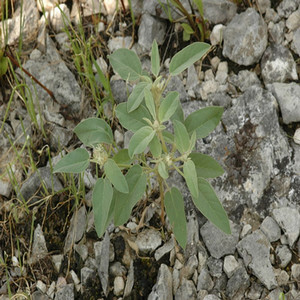
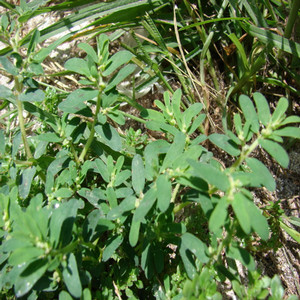
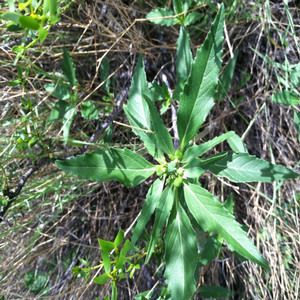
Verbena family (Verbenaceae)
- Common Verbena (Verbena officinalis)
Growing habits: Erect perennial herb
Root anatomy: Fibrous roots from taproot
Leaf anatomy: Simple, oppositely arranged, sometimes lobed, serrated edges
Reproduction: Raceme inflorescence, lavender colored flowers with 5 petals; achene fruit
References: Native Plant Trust Go BotanyCommon Verbena
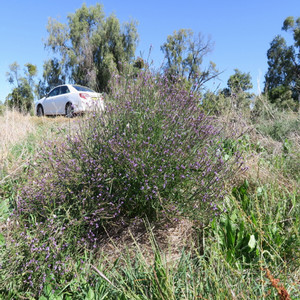
- Prostrate Vervain (Verbena bracteata)
Growing habits: Procumbent or decument annual or short-lived perennial
Root anatomy: Fibrous roots spreading from rough taproot
Leaf anatomy: Leaves oppositely arranged, simple, lanceolate to ovate-lanceolate, pinnately lobed, toothed margins
Reproduction: Flower spikes erect, usually solitary, corolla bluish to lavender/purple
References: Weeds of the South by Charles T. Bryson and Michael S. DeFelice
Woodsorrel family (Oxalidaceae)
- Yellow Woodsorrel (Oxalis stricta)
Growing habits: Prostrate to erect annual or perennial herb
Root anatomy: Fibrous roots from taproot and rhizomes
Leaf anatomy: Alternately arranged, compound, trifoliate, heart-shaped leaflets, green to purplish green
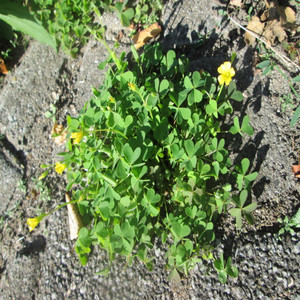
Reproduction: Showy yellow flowers, 5-petal, clustered in unequally branched umbel; capsule fruit
References: Weeds of the South by Charles T. Bryson and Michael S. DeFelice - Pink Sorrel (Oxalis articulata)
Growing habits: Prostrate to erect annual or perennial clumping herb
Root anatomy: Fibrous roots from taproot and scaly bulb-like rhizomes
Leaf anatomy: Alternately arranged, trifoliate with 3 heart-shaped leaflets, green to burgundy color
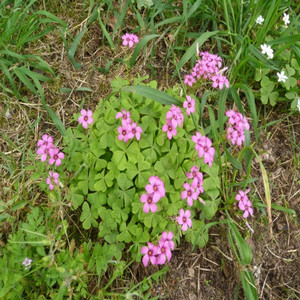
Reproduction: Showy pink flowers on umbel, 5-petal
References: Weeds of the South by Charles T. Bryson and Michael S. DeFelicePink Sorrel