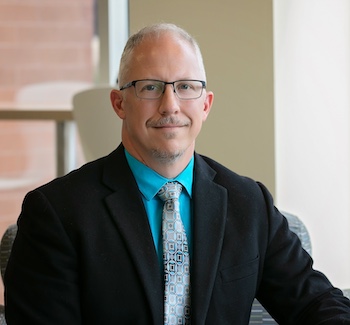
 Wiley Jenkins, Ph.D., MPH
Professor and chair of the Department of Public Health Sciences at Clemson University, he spent 13 years with the Illinois Department of Public Health before moving into academia in 2007. He began exploring and working to address rural health disparities in 2009 on the topic of sexually transmitted infections, made a purposeful shift to rural cancer disparities and epidemiology in 2012, and in 2017 (through 2023) was fortunate to partner with Dr. Mai Pho and co-lead the NIH/NIDA-funded clinical trial Ending Transmission of HIV, HCV, and STDs and Overdose in Rural Communities of People who Inject Drugs (ETHIC). As part of the national Rural Opioid Initiative, this work was foundational to developing the organizational and community collaborations to successfully perform large-scale engagement among people who use drugs in rural areas. Further, it allowed exploration regarding the multiple dimensions of health we all experience, to include such factors as health care access and utilization, cancer risk and screening, and personalized and person-centered means of engagement. Jenkins is actively engaged in helping establish similar, field-based collaborations to continue to work with rural PWUD and address their contextually-specific health risks and opportunities.

About SUEHO
The Substance Use Epidemiology and Health Outcomes (SUEHO) Collaborative is designed to address the continuing problem of substance use in the United States with specific consideration for more rural areas. Our team works to collaboratively explore and address some of these substance use-related issues through multidisciplinary research, innovative teaching and student mentoring and collaborative engagement with impacted communities.
Mission
Substance use negatively impacts millions of people across the United States, and nearly every community. The work we do is critically important, and part of associated works across the country. Each of us has the ability to make a positive influence in lives and communities impacted by substance use.
Our Research
Our collaborative network includes Department of Public Health Sciences research faculty, teaching faculty, affiliated faculty across departments, graduate student researchers, and community partners working together to advance substance use research, education, harm reduction, and community engagement.
Contact
If you have questions about any aspect of this laboratory’s work or are interested in learning more about any particular research or course, please feel free to reach out to the associated faculty member. If you are interested in learning more about the research and education as part of possible graduate study, please reach out to Rachel Mayo, Ph.D.
-
About Our Team
Our team includes:
- Primary research faculty within the Department of Public Health Sciences who approach specific aspects of substance use and how to reduce and mitigate associated harms
- Primary teaching faculty who provide support for this research and students through the courses they teach, and also work to bring the research into the classroom
- Affiliated faculty from our own and other departments with whom we partner in research and teaching
- Graduate students who are working in this space and with our partners for their research
- Community partners without whom much of our field work and community engagement could not occur.
Our portfolio is similarly diverse with multiple current funded projects and pilot projects reflected in our manuscripts, publications and conference presentations. Our portfolio also includes a suite of associated courses (undergraduate, graduate, and independent study) that support our research and prepare students to be active workers and researchers in this space.
-
Primary Research Faculty
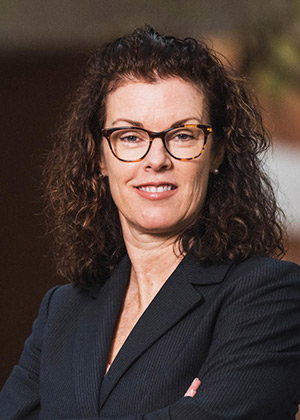 Rachel Mayo, Ph.D.
Rachel Mayo began her career at Clemson University over 28 years ago. During that time she has earned different University awards including the Award of Distinctions, National Scholars Program and the Wallace R. Roy Distinguished Professorship Award as well as serving the College as the associate dean of research and graduate studies for three years. Her research career has been devoted to studying the health problems around maternal and child health, substance use disorder and chronic diseases among underserved populations. She has been the PI or Co-I for over $5 million in grants and contracts to support her research and intervention studies. Mayo is the current PI on a SC Opioid Recovery Fund (SCORF)-funded intervention project to improve wrap-around services for mothers with opioid use disorder and their infants with Neonatal Abstinence Syndrome (NAS). Recently completed projects include: Managing Abstinence in Newborns (MAiN) 2.0 Expansion Project, an initiative funded by the South Carolina Department of Health and Human Services to adapt a clinical treatment model for NAS in ten hospitals throughout the state of SC; and a Prisma Transformative Seed Grant examining skin conductance in infants with NAS receiving pharmacological treatment.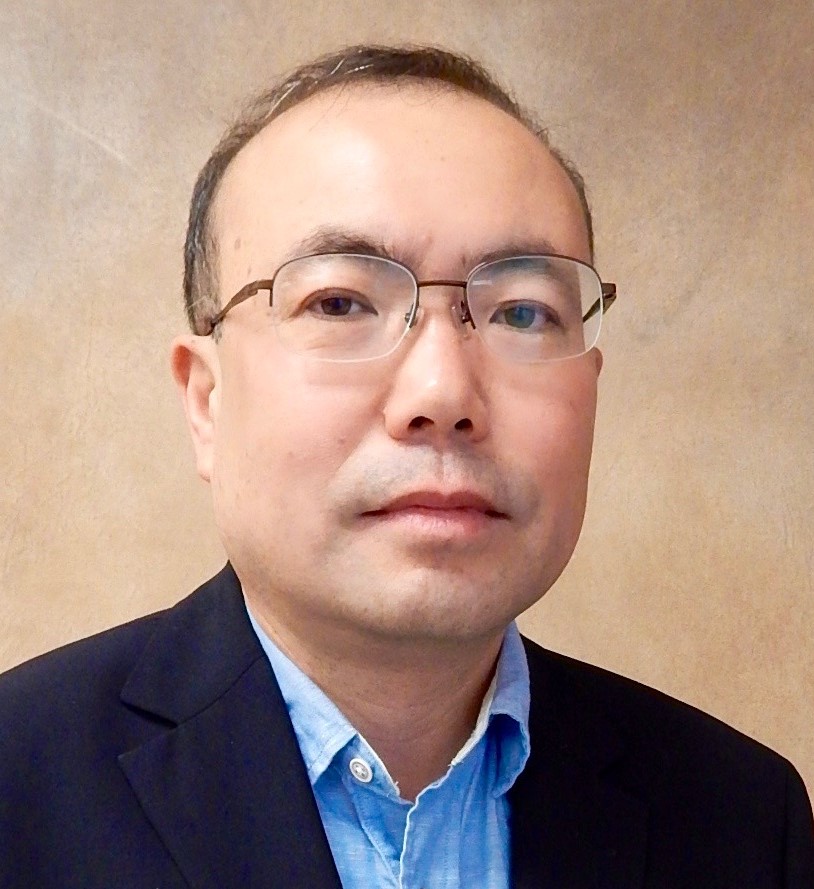 Moonseong Heo, Ph.D.
Moonseong Heo, Ph.D., is a biostatistician and professor in the Department of Public Health Sciences. As a theoretical biostatistician, he has expertise in sample size determinations for cluster randomized clinical trial designs with multiple levels. As a collaborative biostatistician, he has ample experience collaborating in many medical research fields, including obesity, geriatric psychiatry, pediatrics, infectious diseases and addiction medicine, among others. Heo’s most recent research is in addiction medicine, with close collaboration with an internationally prominent figure in the field, Dr. Alain H. Litwin, Chief Scientific Officer at Prisma Heath Upstate in Greenville, who is also the executive director of the Addiction Medicine Center where Heo is serving as the data core director. Erin Hunter, Ph.D., MSPH
Erin C. Hunter is assistant professor of global health at Clemson University conducting mixed-methods, community-based participatory research focused on developing and piloting social interventions that inform policy change and improve menstrual, sexual, and reproductive health. She also applies qualitative methods to develop or improve quantitative measures in order to strengthen survey design and program evaluation in global health. Her work within SUEHO focuses on the integration of menstrual, sexual, and reproductive health with community-based harm reduction services as well as the lived experience of menstruation and postpartum bleeding among those who use drugs. Prior to joining Clemson in 2023, she was a faculty member in The University of Sydney School of Public Health; consulted for the WHO Reproductive Health and Research Department on maternal health research; and coordinated multi-sectoral research and health systems strengthening projects comprising government, NGO, community, and academic partners while seconded from the Johns Hopkins Bloomberg School of Public Health to collaborating institutions in Bangladesh. Md Tareq Ferdous Khan, Ph.D.
Md Tareq Ferdous Khan is an assistant professor of biostatistics in the Department of Public Health Sciences at Clemson University. This follows an early academic career in Bangladesh, where he held faculty positions at three universities after completing his first MS in statistics. His research integrates methodological innovation with applied biostatistics to investigate diverse health outcomes and risk factors across clinical, behavioral, and population health domains. Dr. Khan’s expertise includes repeated measures and longitudinal data analysis, mixed-effects modeling, Bayesian methods, categorical data analysis, and clinical trial design. He is also interested in applying data science and machine learning techniques to health and behavioral research. Much of his current work focuses on substance use and mental health, leveraging large-scale national surveys and electronic health records to examine underlying associations and mechanisms.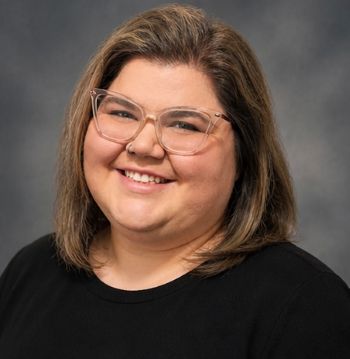 Amanda Stover, Ph.D., MPH
Amanda Stover’s research focuses on substance use disorders and co-occurring mental health conditions, with particular emphasis on peer-driven, community-based interventions for overdose and suicide prevention in rural communities. She has served as principal investigator or key personnel on multiple federally and state-funded projects examining opioid overdose risk, suicide prevention and health communication, with support from the South Carolina Opioid Recovery Fund, the Knight Foundation and the American Foundation for Suicide Prevention. She is currently leading projects to map opioid risk and counter overdose misinformation in rural communities and actively mentors students conducting research on college students’ beliefs and attitudes related to opioid overdose and suicide. Her recently completed work includes the development and evaluation of suicide prevention gatekeeper training for community pharmacy staff, as well as studies examining inpatient assessment of overdose and suicide risk among individuals with opioid use disorder. -
Primary Instructional Faculty
 Shannon Owen, Ph.D.
Shannon Owen has over 20 years of experience in the health and human service field consulting for numerous nonprofit organizations involving community research, planning, evaluation, and development of strategic and operational plans. She has trained agencies across the Upstate of South Carolina in outcome measurement, utilization of logic models, and outcome tracking, In addition she has lead community health needs assessment for area hospitals for the past 15 years. Shannon is currently a full-time lecturer with Clemson University’s Department of Public Health Sciences where she teaches Human Health and Disease, Health Systems, and coordinates the Health Professions Internships. She has also taught in the Political Science Department Masters of Public Administration program with a focus on nonprofit leadership and management. In addition, she has recently developed and implemented an annual study abroad course focused on Comparative Health Systems and Perspectives in Aix-en-Provence, France, Geneva, Switzerland, and Madrid, Spain. -
Affiliate Researchers
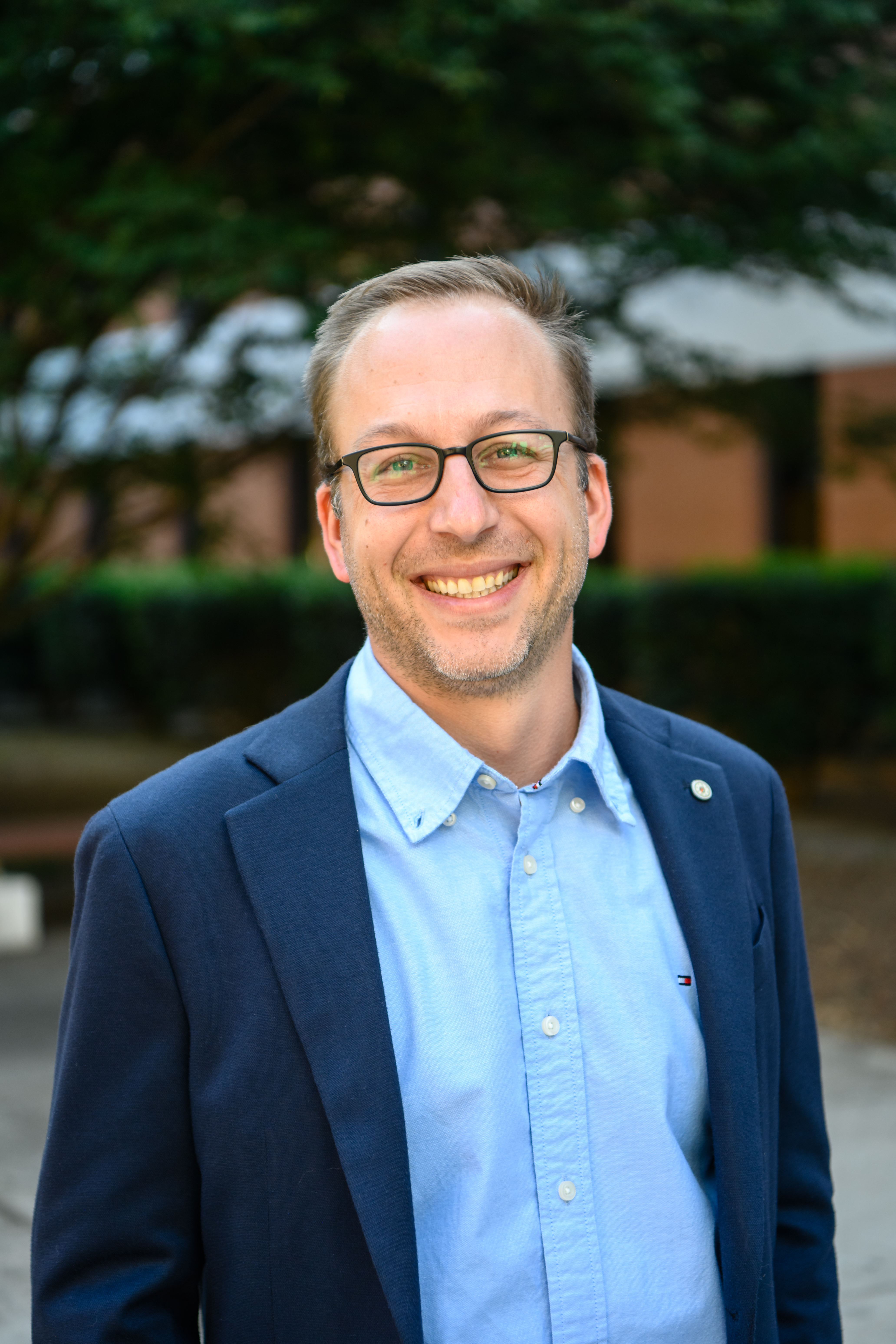 Brian Witrick, Ph.D.
I am an Assistant Professor at Clemson University, and my research focuses on chronic disease outcomes, substance use, and health disparities. I apply spatial and quantitative epidemiological methods to investigate how substance use contributes to adverse health outcomes, particularly among individuals with cardiovascular disease. My recent work has examined the association between substance use and stroke risk among individuals with heart failure, with a focus on how community-level socioeconomic distress modifies this relationship. I am also a co-investigator on Pathways to Purpose: Recovery and Workforce Opportunities for Stimulant Use Disorder, which is investigating recovery and workforce reentry pathways for individuals with stimulant use disorders. In addition, I have contributed to research on access to mobile health clinic services for hepatitis C screening among medically underserved populations and served as a dissertation committee member for a project on mobile clinics, spatial access, and overdose management. Collectively, these experiences reflect my commitment to advancing substance use research and addressing disparities in vulnerable communities.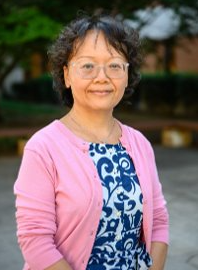 Xia Jing, MD
Xia Jing is a health informatics scholar educated in medical informatics (MD), health informatics (Ph.D.), and clinical informatics (Post Doctoral training). She is an associate professor in the Department of Public Health Sciences at Clemson University and a core faculty member of Clemson-MUSC joint Biomedical Data Science and Informatics (BDSI) program. She conducts studies in health informatics and digital health to facilitate clinicians, clinical researchers, and healthcare administrators to make better and more informed decisions. Her research has been supported through NIH (R01, R15, T15) and NSF. She teaches various undergraduate and doctoral health informatics courses. She also serves as a study section reviewer for multiple NIH study sections, and she serves communities mainly via the American Medical Informatics Association (AMIA) and the American Heart Association (AHA). She serves as an associate editor for Frontiers Digital Health-Health Informatics section and she is an editorial board member for BMC Medical Informatics and Decision Making, Health Informatics Journal, and Journal of Clinical Informatics. -
Graduate Student Researchers
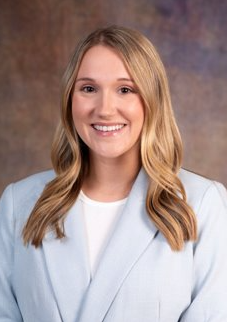 Madison Edgar, M.S.
Madison is a Ph.D. student in the Applied Health Research and Evaluation program with a focus on substance use research, particularly its impact on maternal and child health. She is especially interested in how pregnant women often face unique barriers and disadvantages when navigating substance use and treatment, which can affect both their own well-being and that of their infants. Ms. Briley works with Dr. Rachel Mayo and Prisma Health on the Managing Abstinence in Newborns (MAiN) program, which partners with hospitals across South Carolina to improve care for infants with neonatal abstinence syndrome (NAS). As part of this effort, their team engages with mothers who are using opioids to better understand their experiences and strengthen patient-centered approaches to care. This work continues to motivate her to pursue research that drives improvements in substance use care and creates healthier futures for women and children. Stanley Ratemo
Stanley Ratemo is a career pharmacist with over 10 years of experience in pharmacy practice and clinical research in resource-limited settings. He is currently a Ph.D. candidate in the Applied Health Research Evaluation program at Clemson University, working in Bryan Miller’s Drugs and Crime Research laboratory on projects such as the NSF-funded project titled, Mitigating the Harm of Fentanyl through Holistic Demand/Supply-Chain Interventions and Equitable Resource Allocations, in collaboration with the University of Illinois at Urbana-Champaign. Ratemo’s research interests include tropical and infectious diseases, Substance Use Disorder Epidemiology, implementation science and knowledge translation, spatial epidemiology and machine learning in public health.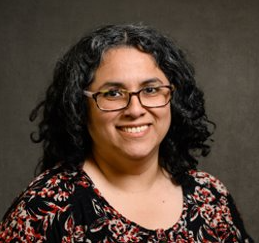 Sara Dawson, M.A., LPC, LAC, CACII, CCTP
Sara Dawson is a Licensed Professional Counselor in South Carolina and a Licensed Addiction Counselor. She currently serves as a Staff Counselor with Counseling and Psychological Services in Student Health Services and has provided supervision for clinicians pursuing full licensure. Dawson’s work will attempt to bridge clinical care and campus public health. She supports prevention, early identification, and coordinated response for student mental health and substance use through evidence-based counseling, data-informed programming, and collaboration with campus and community partners. Looking ahead, her interests center on applied studies that strengthen assessment and decision-making, with emphasis on understanding and measuring the connections between substance use, mental health, and suicidality. Specific interests include screening and risk stratification, brief interventions and referral to treatment, and program evaluation aimed at expanding treatment access. Jordyn Sutton
SJordyn Sutton is a Ph.D. candidate in the Applied Health Research and Evaluation Program. She works with Dr. Rachel Mayo on the Managing Abstinence in Newborns Program examining barriers and resources for mothers dealing with substance use disorders in rural South Carolina. Her research interests include Maternal and Child Health and in the future she is interested in exploring the impacts of polysubstance use on developmental outcomes in offspring. -
Courses
Selected Topics in Health [Brain, Drugs, and Behavior], HLTH 4000
Taught by Amanda Stover; Fall semester. Dive into the dynamic intersection of neuroscience, substance use and public health. This course unpacks the biological and behavioral foundations of addiction, explores the impact of psychoactive drugs on individuals and populations and equips students with tools to analyze epidemiological trends, policy frameworks and treatment strategies. From global perspectives to emerging innovations, students will critically examine how drug use shapes—and is shaped by—public health systems, ethics and social contexts.
Selected Topics in Health [Research in Substance Use], HLTH 8900
Taught by Md Tareq Ferdous Khan; Spring semester. This course provides an in-depth examination of research methodologies used to study substance use, misuse, and substance use disorders across populations. Students will critically evaluate epidemiologic, biostatistical, behavioral, and policy-oriented research; analyze large national datasets; employ appropriate methods; and develop independent research questions related to substance use. Emphasis is placed on disparities, important determinants, association with health outcomes, comorbid mental and other health conditions, causal inference, and translational impact.
Honors Thesis Seminar, HLTH 4950
Taught by Rachel Mayo; Spring and Fall semesters. Senior honors thesis seminar in public health sciences. Independent research is conducted under the supervision and guidance of a faculty mentor for students enrolled in the departmental honors program, in support of an honors thesis or service-learning research project.
Honors Research Colloquium, HLTH 4960
Taught by Rachel Mayo; Fall semester. Students enrolled in departmental honors present independent research conducted under the supervision of a faculty member in a public research forum to other honors students and public health professionals and/or submit a paper or presentation based on this research for publication.
-
Current and Past Projects
Current Projects
- South Carolina Opioid Recovery Fund Board (2026); Mapping Opioid Risks: Building Evidence-Based Prevention Strategies—City of Clemson; Stover AN (Co-PI), Hunter, E (Co-PI), Mayo, RM.
- South Carolina Opioid Recovery Fund Board; (2026); Expanding treatment and services for neonatal abstinence syndrome for mothers and babies—Pickens County; Mayo RM (PI), Dickes L, Sherrill WW, Mckenzie A, Hudson J.
- South Carolina Opioid Recovery Fund Board; (2025); Expanding treatment for neonatal abstinence syndrome for mothers and babies—Anderson County; Dickes L (PI), Mayo RM (Co‑I), Sherrill WW, Hudson J.
- Pilot Study; (10/23/25-10/22/26); Integrating menstrual, sexual, and reproductive health services, South Carolina (IMSRH-SC); Erin Hunter (PI); The goal of this work is to assess the menstrual care practices of those presenting to harm reduction services in upstate South Carolina to identify pressing unmet needs related to menstrual, sexual, and reproductive health services and explore the feasibility, acceptability, and potential for impact of integrating support for menstrual, sexual, and reproductive health as part of harm reduction services for people who use drugs.
- South Carolina Opioid Recovery Fund (SCORF) (4/1/26–3/31/27); Mapping Opioid Risks: Building Evidence Based Prevention Strategies; Amanda Stover (mPI), Erin Hunter (mPI), Rachel Mayo (Co-I). The goal of this project is to identify geographic and population level opioid overdose risk factors in Clemson, South Carolina using mixed quantitative methods to inform data driven prevention strategies and resource allocation.
- Knight Foundation (10/18/24–8/15/25); Countering Drug Overdose Disinformation in Rural Counties; Amanda Stover (PI), Wiley Jenkins (Co-I). The goal of this work is to examine how overdose-related misinformation circulates in rural communities and to develop evidence-based counter-messaging strategies to improve public understanding of overdose risk and prevention.
Past Projects
- South Carolina Opioid Recovery Fund Board; (2023, 2024, 2025); Expanding treatment and services for neonatal abstinence syndrome for mothers and babies—Pickens County; Mayo RM (PI), Dickes L, Sherrill WW, et al.
- South Carolina Center for Rural and Primary Healthcare; (2024); Understanding factors associated with patient selection of obstetrician providers in rural South Carolina; Stover A (PI), Mayo RM (Co‑I), Dickes L, Sherrill WW.
- South Carolina Department of Health and Human Services (2017-2022); Managing abstinence in newborns (MAiN 2.0): Statewide expansion; Hudson J (PI), Mayo RM (Site PI).
- American Foundation for Suicide Prevention (10/1/20–9/30/22); Developing and Evaluating a Scalable Suicide Prevention Gatekeeper Training Program for Community Pharmacy Staff; Delesha M. Carpenter and Jill E. Lavigne (PIs); Amanda N. Stover (Postdoctoral Researcher) The goal of this project was to develop and evaluate a scalable training program to prepare community pharmacy staff to identify, communicate with, and refer individuals at risk for suicide, including those with substance use disorders.
- National Institutes of Health/NIGMS T32 Behavioral and Biomedical Sciences Training Program (7/1/18–6/30/19; 7/1/19–12/31/19); Albert Berrebi (PI); Amanda N. Stover (Trainee) This training program supported interdisciplinary research focused on behavioral and biomedical factors influencing substance use, mental health, and related health outcomes.
- S. Office of National Drug Control Policy (2/1/17–12/31/18); West Virginia Peers Enhancing Education, Recovery, and Survival (WV PEERS); Judith Feinberg (PI); Amanda Stover (Project Manager) The goal of WV PEERS was to establish and evaluate peer recovery support services to address opioid use disorder, overdose risk, and engagement in harm reduction and treatment services in rural Appalachian communities.
- Centers for Disease Control and Prevention Foundation (1/3/23-6/30/23 and 2/1/24-8/30/24); Improving access to primary care for persons who use drugs and have a sexually transmitted infection in the Delta Region of southern Illinois; Wiley Jenkins (PI); The goal of this work is to develop, implement, and evaluate a model of peer navigation to primary care for rural people who use drugs between a harm reduction organization and local provider.
- National Institutes of Health/NIDA (8/15/17-7/31/19; UG3DA044829 and 8/1/19-7/31/23; UH3DA044829-03/04/05); Mai Pho (mPI) and Wiley Jenkins (mPI); Ending Transmission of HIV, HCV, and STDs and Overdose in Rural Communities of People who Inject Drugs (ETHIC); The goal of ETHIC is to improve the health outcomes of rural people who use drugs (opioids; injection) via mixed analytical approach including predictive modeling, GIS analysis, qualitative and survey analysis, network methods, and infectious disease epidemiology to inform the implementation of expanded harm reduction services and access to clinical services in rural areas of southern Illinois.
-
Publications, Manuscripts and Abstracts
Manuscripts
- Babatunde A, Stover AN, Witrick B, Moonseong H, Rennert L. Assessing knowledge, attitudes, and barriers to opioid overdose among college students. BMC Public Health. 2026;26:Article 124.
- Holcomb L, Mayo RM, Barkin J, Cartmell K, Rennert L, Dickes L, Eichelberger K.
Strengthening the standard of care for perinatal substance use disorders: Reproductive health provider perspectives on training, integration, and system improvements.
Subst Abuse Treat Prev Policy. 2026;21:5. https://doi.org/10.1186/s13011-025-00692-4 - Holcomb L, Mayo RM, Barkin J, Cartmell K, Rennert L, Dickes L, Eichelberger K.
Reproductive healthcare professionals’ comfort to treat postpartum patients with substance use disorders. Patient Educ Couns. 2025;140:109276. https://doi.org/10.1016/j.pec.2025.109276 - Jenkins WD, Beach LB, Schneider J, Friedman SR, Pho MT, Walters S, Ezell J, Young AM, Hennessy C, Miller WC, Go VF, Sun C, Seal DW, Westergaard RP, Crane HM, Fredericksen RJ, Ruderman SA, Fletcher S, Ma J, Delaney JA, Plaisance K, Feinberg J, Smith GS, Korthuis PT, Stopka TJ, Friedmann PD, Zule W, Winer M. Sexual identity, sexual behavior, and drug use behaviors among people who use drugs in the rural U.S. J Subst Use Addict Treat. 2025 Apr;171:209629.
- Jenkins WD, Pho MT, Nance RM, Young AM, Zule W, Stopka TJ, Friedmann PD, Miller WC, Go VF, Korthuis PT, Westergaard R, Seal DW, Feinberg J, Smith GS, Crane HM, Tsui JI, Lanter T, Choudhary V. Influence of insurance type on healthcare utilization among rural people who use drugs. Drug Alcohol Depend. 2025 Apr 1;269:112542.
- Jenkins WD, Friedman SR, Hurt CB, Korthuis PT, Feinberg J, Del Toro-Mejias LM, Walters S, Seal DW, Fredericksen RJ, Westergaard R, Miller WC, Go VF, Schneider J, Giurcanu M. Variation in HIV Transmission Behaviors Among People Who Use Drugs in Rural US Communities. JAMA Netw Open. 2023 Aug 1;6(8):e2330225.
- Khan MTF, Mazumder S, Rana MS, et al. Impact of Polysubstance Use on Major Depression, Serious Psychological Distress, and Mental Illness among US Adults. Int J Ment Health Ad. Jun 24 2025;doi:10.1007/s11469-025-01520-3
- Khan MTF, Lewis D, Kaelber DC, Winhusen TJ. Health outcomes associated with patterns of substance use disorders among patients with type 2 diabetes and hypertension: Electronic health record findings. Prim Care Diabetes. Feb 2023;17(1):43-47. doi:10.1016/j.pcd.2022.11.006
- Nidey N, Raff E, Khan MTF, et al. The Impact of Frequency of Cannabis Use on Hypertensive Disorders During Pregnancy. J Addict Med. Sep-Oct 01 2025;19(5):611-614. doi:10.1097/ADM.000000000000145
- Stover AN, Vieira LEB, Davis SA, Joiner K, Lavigne JE, Carpenter DM. Veteran and nonveteran perceptions of community pharmacists as sources of mental health information and referral. J Am Pharm Assoc. 2026;66(2).
- Stover AN, Rockett IRH, Smith GS, LeMasters T, Scott VG, Kelly KM, Winstanley EL. Distinguishing clinical factors associated with unintentional overdose, suicidal ideation, and attempted suicide among inpatients with opioid use disorder. J Psychiatr Res. 2022;149:1 8.
Abstracts
2026
- Khan MTF, Jenkins, WD, Stover, AN, et al. Major Depression and Substance Use in the United States: A Decade of National Trends and Population Differences. Accepted for poster presentation at the 2026 College on Problems of Drug Dependence Conference, June 13-17, 2026, Oregon, USA.
2025
- Briley MB, Sutton JC et al., Navigating Addiction, Pregnancy and Parenting: Barriers and Facilitators to Accessing Information Among Mothers with Opioid Use Disorder in Rural South Carolina. Presented at the Prisma Health Research and Education Showcase; Columbia, SC; 7 Nov 2025.
- Briley, M., Sutton, J., Dickes, L. A., Sherrill, W. W., McKenzie, A. H., Boyd, J., Howle, K., Hudson, J., & Mayo, R. M. (2025, November). Navigating addiction, pregnancy, and parenting: Barriers and facilitators to accessing information among mothers with opioid use disorder in rural South Carolina. Poster presented at the Prisma Health Education and Research Institute Showcase, Columbia, SC, United States.
- Edgar M, Sutton J, Mayo R., et al. Navigating Addiction, Pregnancy, and Parenting: Barriers and Facilitators to Accessing Information Among Mothers with Opioid Use Disorder in Rural South Carolina. Presented at Prisma Health Education and Research Institute Showcase annual meeting. Columbia, SC. 7 Nov 2025.
- Jenkins WD*, Beach LB, Schneider J, Friedman SR, et al. Sexual identity, sexual behavior, and drug use behaviors among people who use drugs in the rural U.S. Poster presented at College on Problems of Drug Dependence; New Orleans, LA; June 14-19, 2025
- Khan MTF, Mazumder S, Sohel MR, et al. Impact of Polysubstance Use on Major Depression, Serious Psychological Distress, and Mental Illness among US Adults. Presented at the Prisma Health Education and Research Institute Showcase, Nov 7, 2025, Columbia, SC, USA.
- Sutton JC, Briley MB et al., Perceived Needs of Mothers with Opioid Use in Rural South Carolina: A Qualitative Comparison of Maternal and Organizational Perspectives. Presented at the Prisma Health Research and Education Showcase; Columbia, SC; 7 Nov 2025.
For past publications, manuscripts and abstracts, click here.