
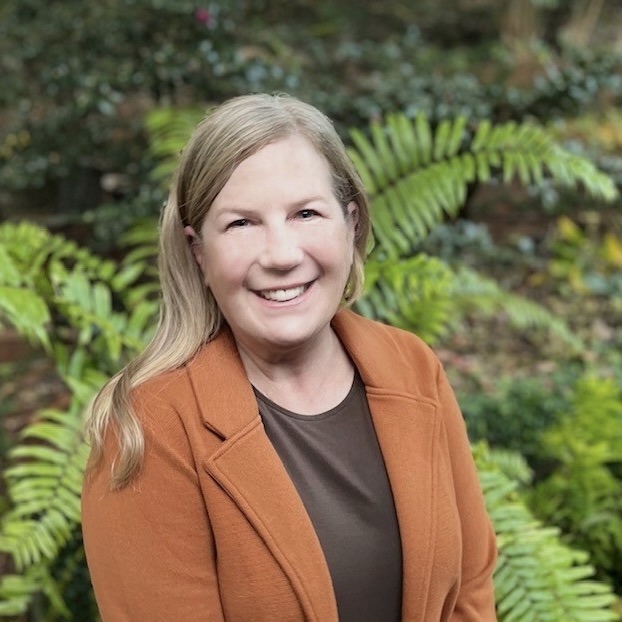
 Sarah Griffin, Ph.D.
Sarah Griffin is a professor in the Department of Public Health Sciences and serves as the graduate student coordinator. With over 30 years of experience in public health, Griffin’s research focuses on the dissemination, implementation and effectiveness of evidence-based approaches for prevention and treatment of obesity and other chronic diseases. She is a member of the American Academy of Health Behavior and the American Public Health Association. Her hard work and dedication earned her the Clemson University Centennial Professor award in April 2025.
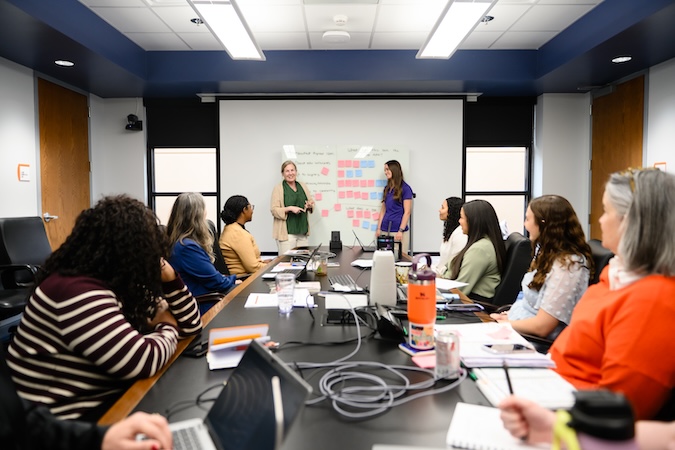
About CDPMI
The Chronic Disease Prevention & Management Interventions (CDPMI) Laboratory exists to design, test and widely disseminate effective interventions to address lifestyle factors influencing chronic disease, with a specific emphasis on interventions in rural areas. Heart disease and cancer are consistently the top two causes of death in the United States. Moreover, obesity, cancer and lifestyle-based heart disease rates are rising for children and young adults. Our team works collaboratively to address these issues through multidisciplinary clinical and community-driven research, innovative teaching and the rapid dissemination of proven, effective interventions into practice.
Mission
Chronic diseases, including cardiovascular disease and cancer, touch almost every family in the United States (US) and are consistently higher in rural areas of the US compared to non-rural areas. The work we do is focused on a number of lifestyle behaviors and helping people live the most healthful and fulfilling life possible in communities that support healthy habits.
Our Research
Our team includes research faculty focused on chronic disease prevention and harm reduction; teaching faculty who support research, mentor students and integrate research into the classroom; affiliated faculty from across the College who collaborate in research and teaching; graduate students conducting research with our partners; and community partners, whose collaboration makes our fieldwork and community engagement possible.
Contact
If you have questions about any aspect of this laboratory’s work or are interested in learning more about any particular research or course, please feel free to reach out to the associated faculty member. If you are interested in learning more about the research and education as part of possible graduate study, please reach out to Sarah Griffin, Ph.D.
-
About Our Team
Our team includes:
- Primary research faculty within the Department of Public Health Sciences who approach specific aspects of chronic disease and how to reduce and mitigate associated harms
- Primary teaching faculty who provide support for this research and students through the courses they teach and also work to bring the research into the classroom
- Affiliated faculty from our own and other departments with whom we partner in research and teaching
- Graduate students who are working in this space and with our partners for their research
- Community partners without whom much of our field work and community engagement could not occur.
Our portfolio is similarly diverse with multiple current funded projects and pilot projects reflected in our manuscripts, publications and conference presentations. Our portfolio also includes a suite of associated courses (undergraduate, graduate, and independent study) that support our research and prepare students to be active workers and researchers in this space.
-
Primary Research Faculty
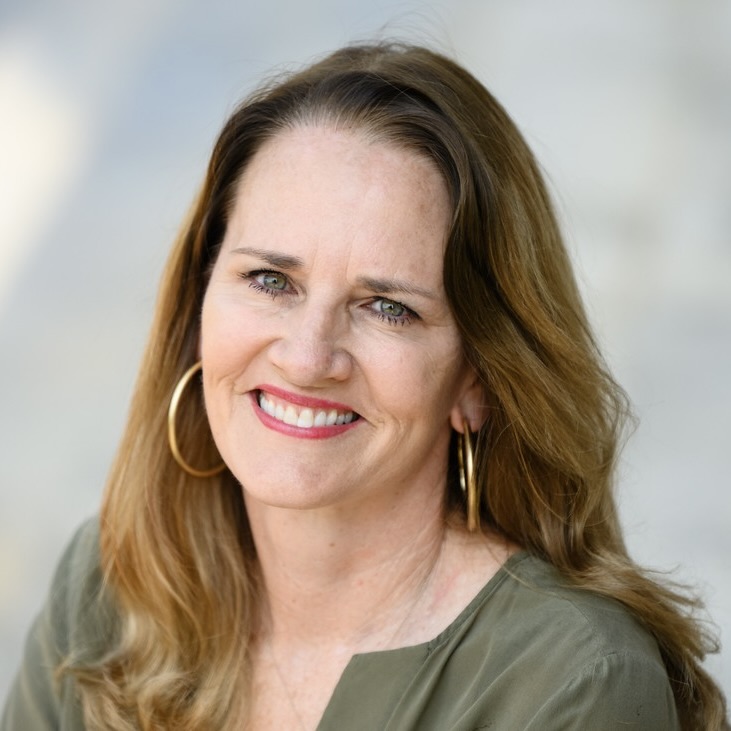 Windsor Sherrill, Ph.D.
Windsor Westbrook Sherrill is the Provost’s Distinguished Professor of Public Health Sciences and serves as senior associate vice president for research, where she is advancing research and strengthening partnerships with health systems and community organizations. Her research spans medical and health management education, health finance and policy, and the evaluation of health services and health education programs, with a strong emphasis on chronic disease prevention and management, particularly diabetes, cardiovascular disease, hypertension, and cancer. Her work focuses on community-based interventions, health equity, and addressing social determinants of health to improve outcomes in underserved populations.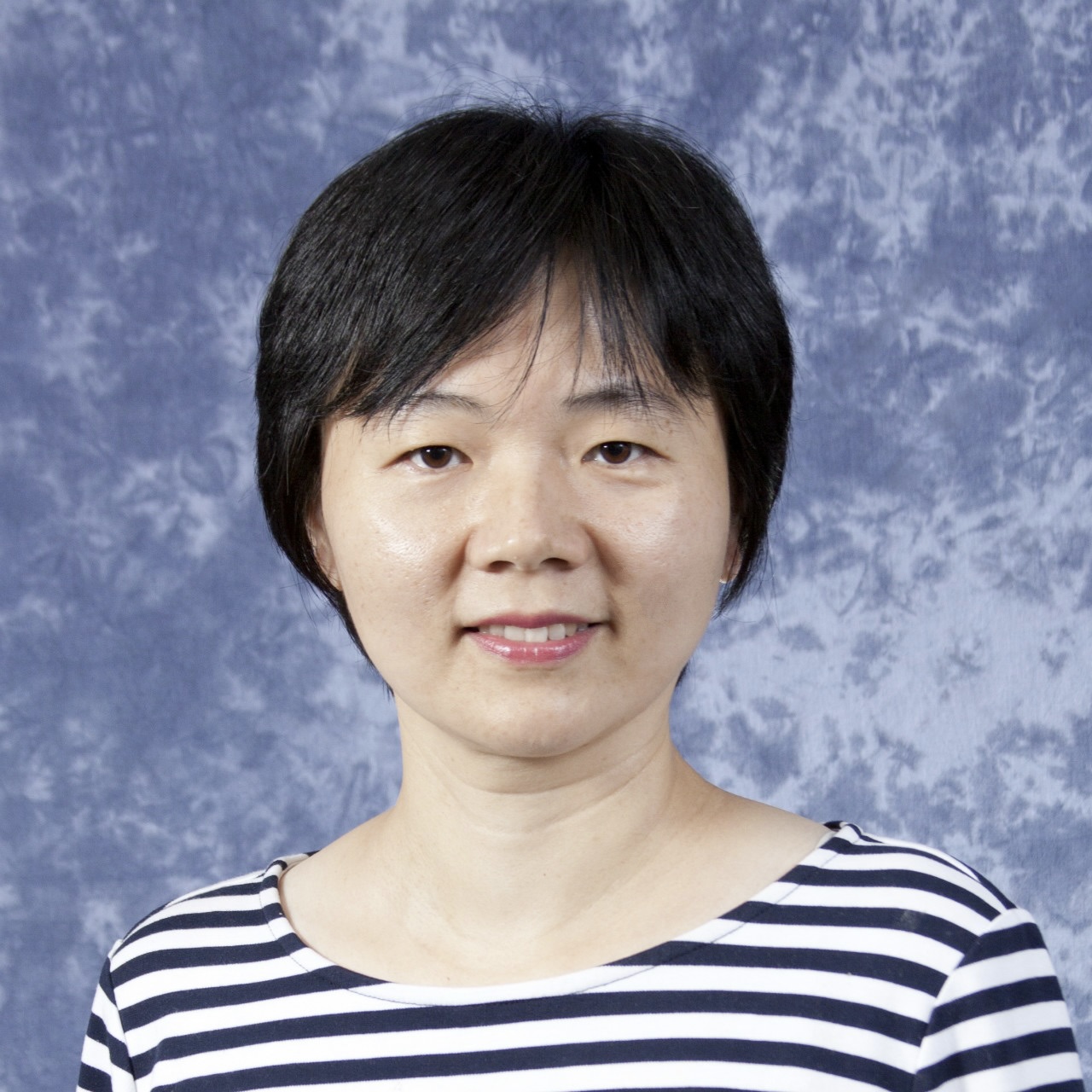 Lu Zhang, Ph.D.
Lu Zhang is an associate professor in the Department of Public Health Sciences. She received her Ph.D. degree in epidemiology with minor in biostatistics from School of Public Health, Louisiana State University Health Sciences Center, and her two-year postdoctoral training at Louisiana Tumor Registry. Her current research focuses on health disparities in cancer control continuum, especially place-based health disparities, disparities in lung cancer prevention, screening and treatment and effects of health policy in reducing disparities in cancer care. Her research is supported by the American Cancer Society.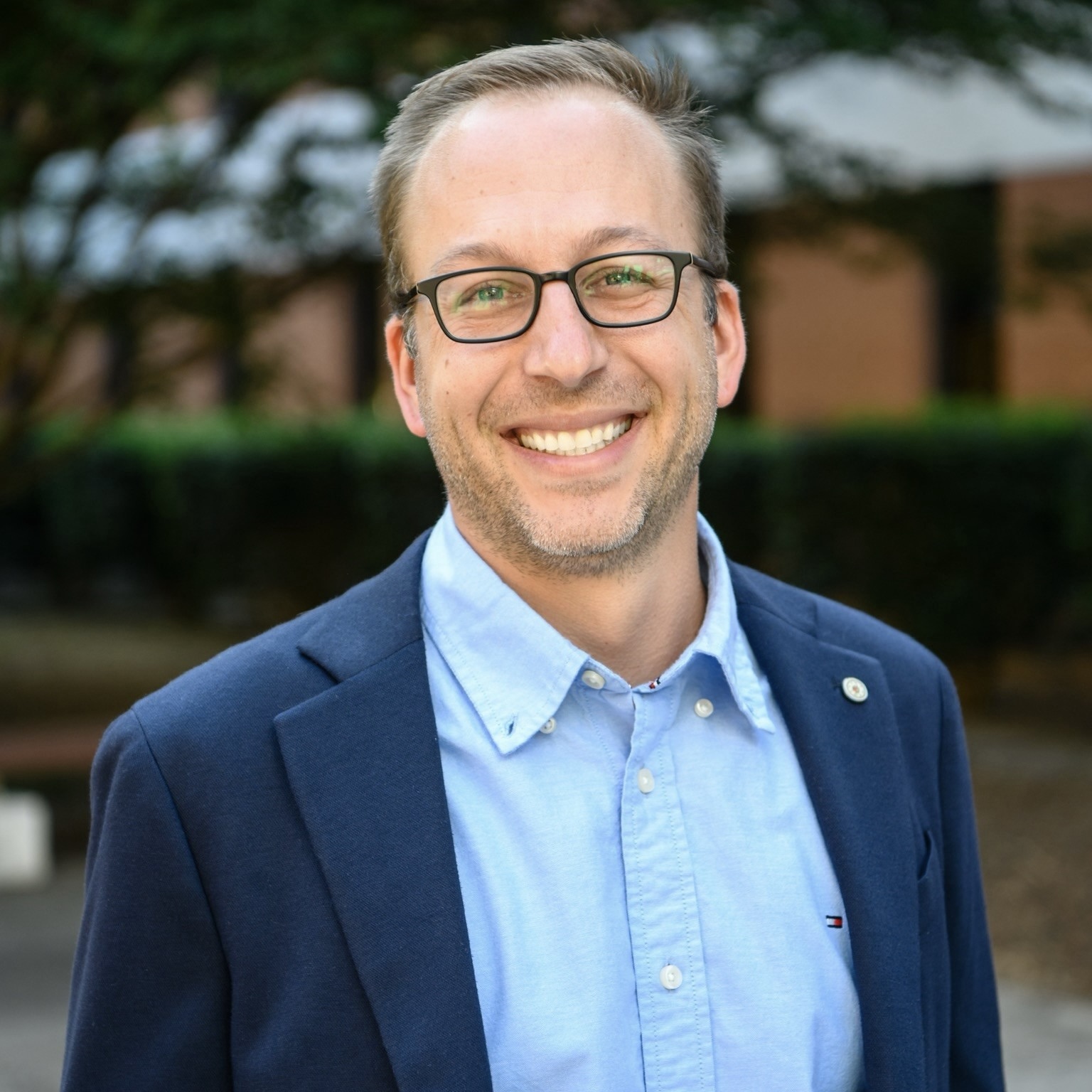 Brian Witrick, Ph.D.
Brian Witrick is an assistant professor in the Department of Public Health Sciences at Clemson University. His research focuses on cardiovascular disease outcomes, particularly heart failure and peripheral artery disease, with an emphasis on improving population health and reducing disparities across communities. He applies spatial and quantitative epidemiologic methods to support public health departments and clinical partners in identifying patterns of disease burden, healthcare utilization, and gaps in access to care. His work has examined factors associated with stroke risk among individuals with heart failure and explored how community-level socioeconomic conditions shape cardiovascular outcomes. In addition, he conducts research on geographic variation in health care expenditures and utilization among individuals with chronic conditions, with the goal of informing more efficient and equitable approaches to care delivery. Witrick collaborates closely with state health departments, healthcare systems, and community partners to translate research findings into actionable insights that inform clinical practice and public health decision-making. His work also includes efforts to strengthen data infrastructure and analytic capacity within applied public health settings. Collectively, his research reflects a commitment to bridging epidemiologic methods with real-world implementation to improve chronic disease outcomes, particularly in rural and underserved populations. Kathleen Cartmell, Ph.D., MPH
Kathleen Cartmell is a health services researcher, with a focus on dissemination and implementation of evidence-based strategies for healthcare delivery. She received her PhD from the Medical University of South Carolina in Health and Rehabilitation Sciences and her Master of Public Health Degree from the Emory University Rollins School of Public Health. Her research has focused on tobacco cessation, HPV vaccination and interventions to address vaccine hesitancy. She also conducts research in India to expand palliative care delivery through a novel community health worker for medically underserved rural communities. Dr. Cartmell is also expanding her research focus to include chronic disease prevention. She recently partnered with Clemson Rural Health to expand her community health worker program approaches for use in rural South Carolina communities, while integrating technology to enhance the level of care that can be provided in community settings. She partners with the PRISMA Health Cancer Institute’s Center for Integrative Oncology and Survivorship to develop research projects to expand capacity for delivering support for cancer patients following a cancer diagnosis.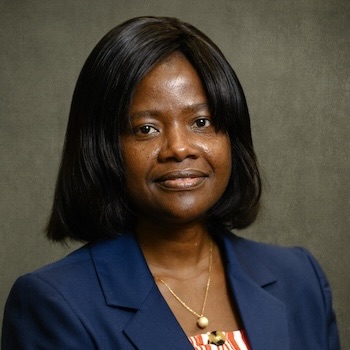 Stella Lartey, Ph.D.
Stella T. Lartey is an assistant professor with the Department of Public Health Sciences, College of Behavioral, Social, and Health Sciences and a 2025-2026 Health and Aging Fellow with placement in the 119th Congress. Her academic training is in epidemiology and health economics, and she has career experience in both community and hospital-based program development, implementation and evaluation. She has been pivotal in developing study protocols and supporting the conduct of various clinical trials, observational studies, and systematic reviews, and led survey-based studies in countries including Ghana, Australia and the United Kingdom. While she contributes to life-course NCDs epidemiological and health economics studies, her research mostly focuses on 1) NCDs epidemiology and cognitive health in older adults (50+ years), 2) health economics and outcomes research, and 3) research aimed at improving interventions, health systems, and healthcare access. She draws on methods and theories from public health, epidemiology, health and development economics and pulls work from her interest areas to support translating research findings into policies. -
Primary Instructional Faculty
 Becky Tugman, Ph.D.
Over her 20 years in higher education, Becky Tugman has taught over 23 courses, ranging from school health education to exercise science to public health. Currently, her academic focus is on increasing health literacy education among future healthcare providers and public health promotion specialists. In addition to teaching, she is a Senior Faculty Fellow for the Office of Teaching Excellence and Innovation (OTEI) to assist faculty with documenting teaching effectiveness, scholarship of teaching and learning, and course design.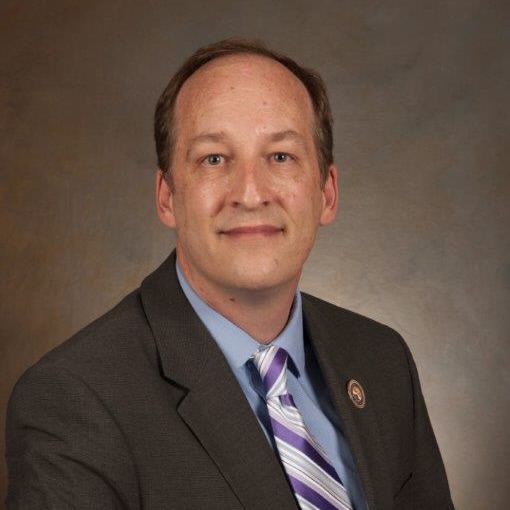 Ralph Welsh, MS
Ralph Welsh is a principal lecturer in the Department of Public Health Sciences. His academic training, obtained through a school of public health, is in the areas of exercise science; health promotion, education and human behavior; and research methods. His areas of expertise include designing and managing studies focused on evaluating health-related physical activity behavior, psychosocial determinants of physical activity behavior, physiological and psychological responses to vigorous intensity physical activity behavior, and students’ experiences and perspectives associated with community outreach digital media project-based pedagogy. Ralph has worked with diverse populations, including competitive and recreational athletes, adolescent girls enrolled in school-based physical activity promotion programs, racially and economically diverse children enrolled in hospital-based obesity treatment programs, and undergraduate students enrolled in large universities and historically black colleges. In addition to his research experiences, he has taught a variety of undergraduate courses on promoting and evaluating cardiovascular health-related responses to exercise/physical activity, including Population Health and Fitness, Determinants of Health Behavior, Personal and Community Health, Physiological Responses to Exercise, Anatomy & Physiology, and Independent Research Study.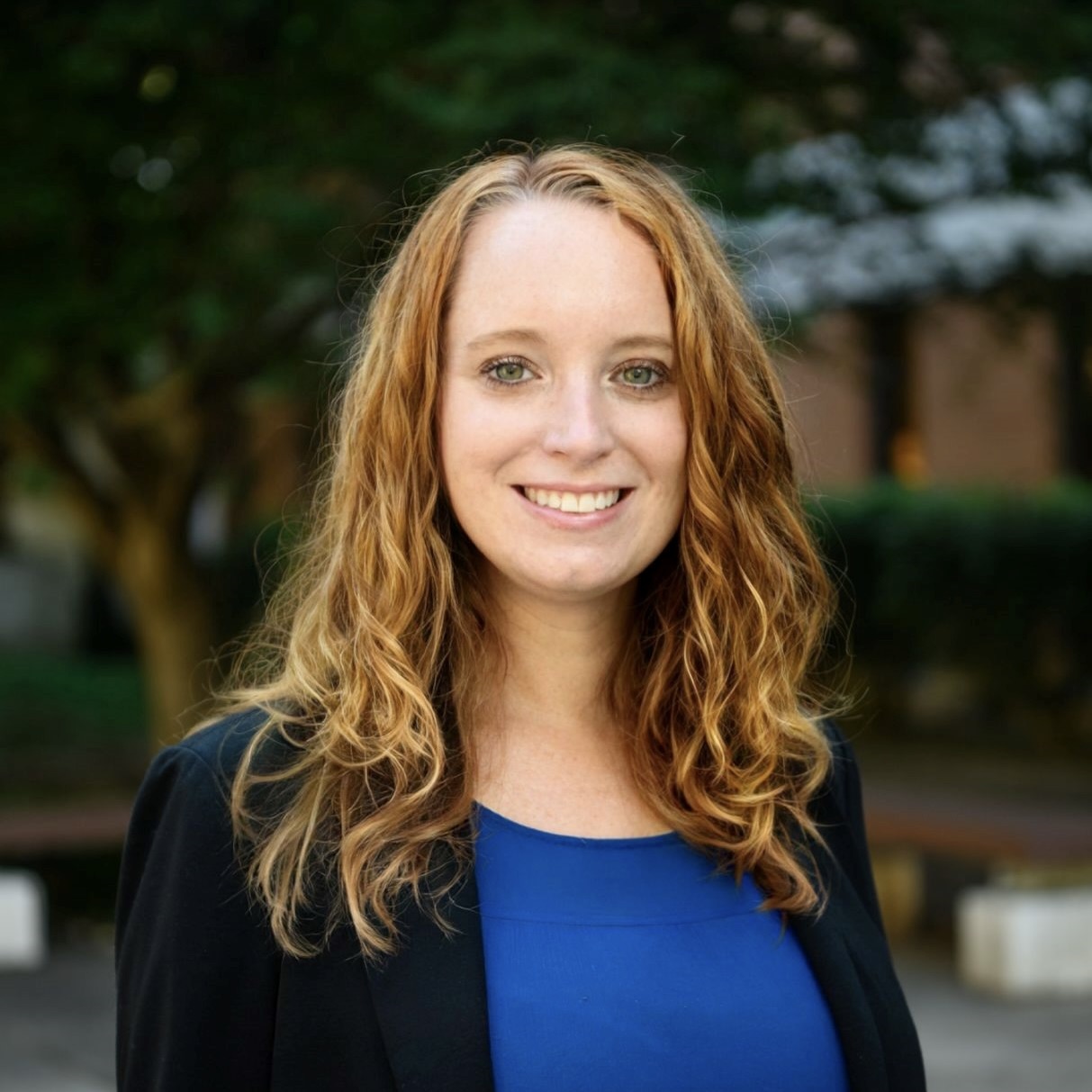 Lindsey Gorham, MPH
Lindsey Gorham is an educator and public health professional committed to advancing chronic disease prevention through teaching, mentorship, and community engagement. Originally from New Jersey and rooted in South Carolina, Lindsey began her career in K–12 education, earning degrees in Elementary and Special Education from the College of Charleston. She later served as an Instructional Coach, supporting teachers in improving student outcomes. Motivated by a commitment to addressing health disparities and promoting wellness, Lindsey completed her Master’s in Public Health in 2024, specializing in prevention and population health. Since 2022, she has served as the Health Science Internship Coordinator and Lecturer at Clemson University, integrating public health principles into experiential learning. Through her internship course, students apply public health knowledge in real-world settings, gaining hands-on experience that prepares them for careers. Lindsey also teaches Introduction to Public Health and Health Appraisals, both of which emphasize chronic disease prevention. In Health Appraisals, students develop practical skills, including conducting lipid testing, measuring blood pressure manually, and performing A1C testing, with a strong focus on understanding the implications of these assessments. Lindsey’s work bridges education and public health, equipping students to become leaders in chronic disease prevention and health promotion.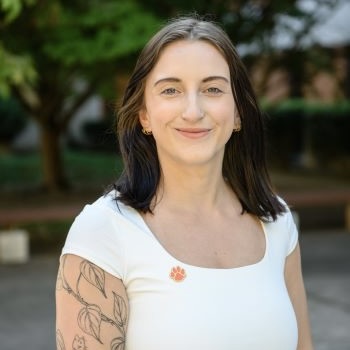 Ally Driver, MPH, Ph.D.
Ally Driver is a Lecturer in the Department of Public Health Sciences at Clemson University and a doctoral candidate in Health Promotion and Behavior at the University of Georgia College of Public Health. Her teaching and research center on women’s health, community-based health promotion, and qualitative approaches to understanding health behavior. At Clemson, Ally teaches undergraduate courses in public health, specifically human health and disease and determinants of health behavior, fostering critical thinking and applied learning among students pursuing careers in health and human services. As a graduate assistant in the Social Technologies and Risk Reduction (STARR) Lab at UGA, she has contributed to multiple projects involving qualitative data analysis, survey development, and public health communication. Her professional experiences span academia, youth development, and wellness education. Beyond the classroom, Ally serves as a 200-hour certified yoga instructor at Solshine Wellness, where she integrates mindfulness and movement into holistic approaches to wellbeing. Ally’s passion lies in empowering individuals and communities—particularly women and youth—to make informed health decisions through education, research, and compassionate leadership. She is an active member of the American Public Health Association, South Carolina Public Health Association, and Clemson University’s Faculty Senate, where she represents the College of Behavioral, Social, and Health Sciences.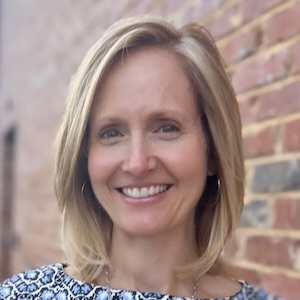 Amelia Clinkscales
Amelia B. Clinkscales worked in Health Education and Corporate Wellness for Prisma Health (formerly Palmetto Health Alliance), BlueCross BlueShield of South Carolina, and Michelin prior to becoming a lecturer in the Health Sciences Department for Furman University where she taught for five years. Clinkscales transitioned to teaching for Clemson University in 2015 and served as the Undergraduate Coordinator for the Department of Public Health Sciences from Fall 2019 to August 2026. Under her leadership, she transformed the advising process, streamlined study abroad opportunities for students, and nearly doubled student enrollment. Clinkscales primarily teaches Women’s Health Issues and Health Policy Ethics and Law. She also serves as the Honors Coordinator for the department. Clinkscales is a Doctoral Candidate in Policy Studies in the Department of Political Science at Clemson University. Research interests include maternal and child health policy, neonatal abstinence syndrome, and policies related to women's health and wellness that facilitates or inhibits barriers and/or access to healthcare service delivery. Clinkscales has been certified to teach group exercise classes for 20 years. While she can teach anything from an interval class to yoga, her passion is for cycling. Ride with her at the Life Center YMCA in Greenville at 5:45 a.m. on Monday mornings! Katymay Malone, Ph.D.
Katymay Malone is a clinical assistant professor in the Department of Public Health Sciences in the College of Behavioral, Social and Health Sciences. She also serves as the program coordinator for the Master of Public Health (MPH) program. Dr. Malone holds a Ph.D. in Health Education with a cognate in Women’s, Gender, and Sexuality Studies, and her dissertation research examined menstrual changes and menstrual management strategies. Dr. Malone has over ten years of teaching, advising, and program coordination experience in higher education. Additional related professional experience includes serving as an Independent Contractor/Consultant (e.g., Subject Matter Expert, Grant Reviewer, Panel Chair) for federal and state agencies with a focus on public health, education, and human services; Volunteer Health Officer with the National Women’s Health Network (2022-2024) where she was a content expert on women’s health and supported research, writing, and strategic communication and outreach efforts; and a Health and Sexuality Education Curriculum Coordinator and Teacher at the primary and secondary levels. Katymay currently teaches the following courses with coverage of chronic diseases: HLTH 2980 Human Health and Disease, HLTH 4150/6150 Public Health Issues in Obesity and Eating Disorders, and HLTH 4000/6000 Contemporary Issues in Women’s Health. -
Affiliate Researchers
 Wiley Jenkins, Ph.D.
Professor and chair of the Department of Public Health Sciences at Clemson University, he spent 13 years with the Illinois Department of Public Health before moving into academia in 2007. He began exploring and working to address rural health disparities in 2009 on the topic of sexually transmitted infections, made a purposeful shift to rural cancer disparities and epidemiology in 2012, and in 2017 (through 2023) was fortunate to partner with Dr. Mai Pho and co-lead the NIH/NIDA-funded clinical trial Ending Transmission of HIV, HCV, and STDs and Overdose in Rural Communities of People who Inject Drugs (ETHIC). As part of the national Rural Opioid Initiative, this work was foundational to developing the organizational and community collaborations to successfully perform large-scale engagement among people who use drugs in rural areas. Further, it allowed exploration regarding the multiple dimensions of health we all experience, to include such factors as health care access and utilization, cancer risk and screening, and personalized and person-centered means of engagement. Jenkins is actively engaged in helping establish similar, field-based collaborations to continue to work with rural PWUD and address their contextually-specific health risks and opportunities.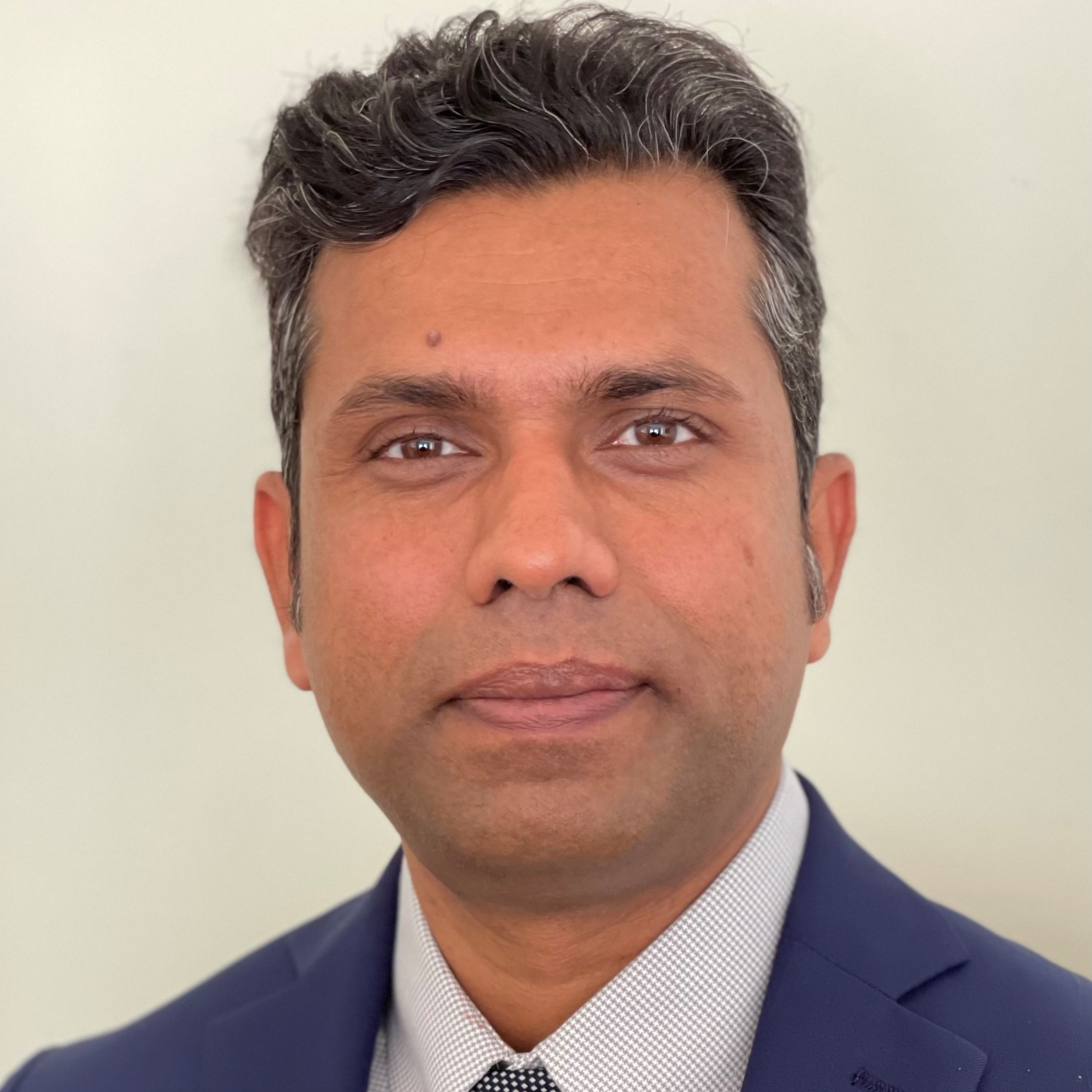 Md Tareq Ferdous Khan, Ph.D.
Md Tareq Ferdous Khan is an assistant professor of biostatistics in the Department of Public Health Sciences at Clemson University. This follows an early academic career in Bangladesh, where he held faculty positions at three universities after completing his first MS in statistics. His research integrates methodological innovation with applied biostatistics to investigate diverse health outcomes and risk factors across clinical, behavioral, and population health domains. Dr. Khan’s expertise includes repeated measures and longitudinal data analysis, mixed-effects modeling, Bayesian methods, categorical data analysis, and clinical trial design. He is also interested in applying data science and machine learning techniques to health and behavioral research. Much of his current work focuses on substance use and mental health, leveraging large-scale national surveys and electronic health records to examine underlying associations and mechanisms. Amanda Stover, Ph.D., MPH
Amanda Stover’s research focuses on substance use disorders and co-occurring mental health conditions, with particular emphasis on peer-driven, community-based interventions for overdose and suicide prevention in rural communities. She has served as principal investigator or key personnel on multiple federally and state-funded projects examining opioid overdose risk, suicide prevention and health communication, with support from the South Carolina Opioid Recovery Fund, the Knight Foundation and the American Foundation for Suicide Prevention. She is currently leading projects to map opioid risk and counter overdose misinformation in rural communities and actively mentors students conducting research on college students’ beliefs and attitudes related to opioid overdose and suicide. Her recently completed work includes the development and evaluation of suicide prevention gatekeeper training for community pharmacy staff, as well as studies examining inpatient assessment of overdose and suicide risk among individuals with opioid use disorder. Xia Jing, MD
Xia Jing is a health informatics scholar educated in medical informatics (MD), health informatics (Ph.D.), and clinical informatics (Post Doctoral training). She is an associate professor in the Department of Public Health Sciences at Clemson University and a core faculty member of Clemson-MUSC joint Biomedical Data Science and Informatics (BDSI) program. She conducts studies in health informatics and digital health to facilitate clinicians, clinical researchers, and healthcare administrators to make better and more informed decisions. Her research has been supported through NIH (R01, R15, T15) and NSF. She teaches various undergraduate and doctoral health informatics courses. She also serves as a study section reviewer for multiple NIH study sections, and she serves communities mainly via the American Medical Informatics Association (AMIA) and the American Heart Association (AHA). She serves as an associate editor for Frontiers Digital Health-Health Informatics section and she is an editorial board member for BMC Medical Informatics and Decision Making, Health Informatics Journal, and Journal of Clinical Informatics. -
Graduate Student Researchers
Xiaofang Lai
Xiaofang Lai is a Graduate Research Assistant in the Department of Public Health Sciences at Clemson University and a Ph.D. candidate in Applied Health Research and Evaluation program. She earned her Bachelor of Management in Public Administration from Shantou University in China. Her research focuses on health prevention and promotion, with an emphasis on chronic diseases, such as cancer. She primarily studies cancer epidemiology and mental health, with a focus on understanding health disparities across populations. She is particularly interested in how social and structural factors across the life course shape long-term health outcomes. She applies advanced quantitative methods, including statistical modeling, mediation analysis, and geospatial techniques, to analyze large population-level datasets. Her research specifically investigates area-based disparities, and their impact on cancer and mental health outcomes, and identify potential mechanisms driving health inequalities. In addition, she has contributed to multiple research projects involving program evaluation, social determinants of health, and community-based interventions with Brashaw Institute for Community Child Health and Advocacy, Prisma Health. Her work aims to identify drivers of health inequalities and support the development of evidence-based strategies to improve population health, enhance healthcare access, and promote more equitable healthcare systems.Ginny (Simmons) van Staden, MPH, MS
Ginny is a PhD candidate in Applied Health Research and Evaluation in the Department of Public Health Sciences. She holds an MPH in Health Promotion, Education, and Behavior from the University of South Carolina and an MS in Applied Health Research and Evaluation at Clemson University. She also completed a graduate certificate in Clinical and Translational Research through Clemson University. Ginny has 8 years of experience in the clinical research environment in oncology at Prisma Health. She serves as a Research Development Specialist in cancer research where she manages investigator-initiated projects and research. The investigator-initiated research efforts she has supported include clinical trials, multi-institutional registries, interventional studies, retrospective chart reviews, patient case reports, and quality improvement projects. These projects have ranged from being grant-funded, industry-sponsored, and internally supported. Through this role, Ginny has mentored both undergraduate and graduate students, including medical students, as they have participated in cancer research projects within Prisma Health. She is passionate about teaching students how to conduct research in a healthcare setting and supporting them in their research endeavors. Ginny’s personal research interests include cancer control initiatives, cancer prevention and earlier detection, cancer disparities, and place-based disparities associations with cancer outcomes.Dana Joe
Dana Joe is a first-year PhD student in Applied Health Research and Evaluation in the Department of Public Health Sciences. Under the mentorship of Dr. Windsor Sherrill, Dana serves as a Graduate Research Assistant for the Health Extension for Diabetes (HED) program, an ADA-recognized community-based diabetes support program. In this role, she contributes to program evaluation and data management, and project collaboration. Dana’s research background is multidisciplinary, spanning psychology, behavioral neuroscience, and biomedical sciences. She holds a B.A. in Psychology and has gained extensive research experience through internships at Brown University, Howard University, and the SC Veterans Healthcare System. Across these experiences, she has engaged in projects examining behavioral health, cognitive processes, and health-related outcomes. Her current research interests focus on chronic disease prevention, community-based health interventions, and health disparities, with a particular emphasis on addressing inequities that disproportionately affect underserved and marginalized communities. She is especially interested in how social and environmental factors influence health behaviors and long-term health outcomes. Long term, she aims to aid in bridging the gap between evidence-based research and community implementation, as well as contribute to public health initiatives that empower underserved populations and advance health equity.Danielle McFall
Danielle McFall serves as an Extension Associate with the Rural Health and Nutrition Extension Program at the Clemson University Cooperative Extension Service and is a second-year Ph.D. student in the Applied Health Research and Evaluation program at Clemson University. In her role, she coordinates chronic disease prevention and self-management education programs across South Carolina and contributes to the implementation and delivery of the Health Extension for Diabetes program across multiple states, including Tennessee, North Carolina, Georgia, and Alabama. Her research focuses on community health education and promotion, with an emphasis on chronic diseases such as diabetes. Danielle’s background in public health and applied health research and evaluation supports her expertise in designing, implementing, and coordinating health interventions that empower individuals and communities to manage chronic health conditions and improve overall well-being. As a co-investigator on community-based research projects, Danielle has contributed to program development, delivery, data collection, and data management, and has been effective in participant recruitment and in building strong partnerships with community and clinical stakeholders. She holds a Bachelor of Science in Health Science and a Master of Science in Applied Health Research and Evaluation from Clemson University.Samantha Montoya, MPH
Samantha Montoya is a Ph.D. student in the Department of Public Health Sciences at Clemson University. She works with Dr. Sarah Griffin on the Healthy Options Program (HOP), a CDC-supported initiative that partners with communities to improve access to healthy foods and opportunities for physical activity in rural communities in South Carolina. Her research centers on prevention and management of cancer and other weight-related chronic diseases, with an emphasis on health equity, implementation science, and community-engaged research. She is especially interested in how community-based programs can be adapted to local contexts to enhance sustainability and long-term impact. In addition to her research, Samantha also serves as a graduate teaching assistant in the department. Prior to beginning her doctoral studies at Clemson, she worked at Moffitt Cancer Center, where she contributed to colorectal cancer prevention research as part of a multilevel implementation study, working closely with community and research partners. She holds a Master of Public Health in Public Health Education from the University of South Florida. Her work aims to advance sustainable, community-engaged approaches to chronic disease prevention and to strengthen the translation of research into practice. -
Courses
HLTH 2500: Population Health and Fitness
HLTH 2980: Human Health and Disease
HLTH 3100: Issues in Women's Health
HLTH 3610: Introduction to Healthcare Economics
HLTH 4020 & HLTH 4020L: Principles of Health Fitness and Laboratory
HLTH 4150: Public Health Issues in Obesity and Eating Disorders
HLTH 4780: Health Policy, Ethics, and Law
HLTH 8020: Health Economics
HLTH 8100: Health Policy
HLTH 8210: Health Research I: Design and Measurement
-
Current and Past Projects
Current Projects
- National Institutes of Health / National Heart, Lung, and Blood Institute (04/01/2023–03/31/2028)
Smart Walk: A Culturally Tailored Smartphone-Delivered Physical Activity Intervention to Reduce Cardiometabolic Disease Among African American Women
Joel Williams (Co-I)
The goal of this project is to conduct a fully powered efficacy trial of the Smart Walk intervention among African American women with obesity. - Clemson University / South Carolina Department of Public Health (07/15/2025–Present)
Embedded Scholars Program
Brian Witrick (Embedded Scholar)
The goal of this work is to strengthen collaboration between academic and public health practice settings by integrating applied research and analytic support to address chronic disease disparities, improve surveillance, and inform data-driven decision-making across South Carolina. - American Heart Association
Amplifying Community Power in Research: Identifying Systems Change in Research
Sarah Griffin (PI of subcontract to Clemson University) - Centers for Disease Control and Prevention
South Carolina County Health Extension: Healthy Options Program
Sarah Griffin (PI)
The purpose of this project is to reduce obesity in three designated high-obesity counties through comprehensive, community-driven efforts - Centers for Disease Control and Prevention / USDHHS (09/30/2025–09/29/2028; U18DP006901)
Evaluating the Health Extension for Diabetes Program, a Community-Clinical Linkage Program
Windsor Sherrill (PI)
This work supports scientific evaluation of the clinically connected Health Extension for Diabetes (HED) program and tests the impacts of the program on social connectedness as currently delivered versus HED Plus intervention - Centers for Disease Control and Prevention / USDHHS (06/30/2023–06/29/2028; NU58DP007383)
Health Equity through Clemson University Health Extension for Diabetes Program
Windsor Sherrill (mPI); Michelle Parisi (mPI)
This project expands access to the Health Extension for Diabetes program by scaling the Clemson University HED model to additional land-grant university systems in Alabama, Georgia, North Carolina, and Tennessee. - American Diabetes Association (11/15/2022–11/14/2026; 11-22-ICTSN-04)
Enabling Precision Medicine: Increasing Access to DSMES via an EHR-Based Clinical Decision Support Tool
Windsor Westbrook Sherrill (PI)
Through this funding, new patient and provider tools are being developed and deployed within the electronic health record (EHR) to facilitate timely referrals to a community-based diabetes self-management support program. - Health Resources and Services Administration (07/01/2024–06/30/2029)
Middle Tennessee Geriatric Workforce Development (GWEP)
Jennifer L. Kim (PI); Stella Lartey (Co-I)
The goal of the Middle Tennessee GWEP is to address Tennessee's poor health rankings, dementia care needs, and health professional shortages by integrating geriatrics into primary care delivery systems while increasing the pool of qualified geriatric providers. - Centers for Disease Control and Prevention
South Carolina County Health Extension: High Obesity Prevention and Elimination Project
Sarah Griffin (PI)
The purpose of this project is to reduce obesity in three designated high-obesity counties through comprehensive, community-driven efforts. - Greenville Health Authority
Evaluation of Bradshaw Institute School Health Initiative
Sarah Griffin (PI)
The purpose of this project is to evaluate the effectiveness of the Bradshaw Institute School Health Initiative in reducing childhood obesity through comprehensive school health initiatives from preschool through high school.
Past Projects
- Centers for Disease Control and Prevention (05/16/2020–08/15/2024)
South Carolina County Health Extension: High Obesity Prevention and Elimination
Sarah Griffin (PI)
This project implemented evidence- and practice-based strategies to increase access to nutritious foods and opportunities for physical activity in counties where adult obesity prevalence exceeded 40%. - National Institutes of Health / National Institute of General Medical Sciences (08/11/2023–06/30/2025; 5UG54GM104942-08)
West Virginia Clinical and Translational Science Institute: A Statewide Organization Building Research Excellence and Engaging Communities to Improve Health
Hodder (PI); Brian Witrick (Co-Investigator)
The goal of this project was to support statewide research infrastructure and community-engaged research to improve health outcomes, including chronic disease prevention and management, through translational science initiatives across West Virginia. - National Institutes of Health / National Heart, Lung, and Blood Institute (01/10/2020–12/31/2024; K01HL146900)
Understanding and Addressing Racial Disparities in Guideline-Indicated Management of Symptomatic Peripheral Artery Disease
Kalbaugh (PI); Brian Witrick (Graduate Student)
The goal of this project was to examine racial and ethnic disparities in the management and outcomes of peripheral artery disease and identify strategies to improve adherence to evidence-based clinical guidelines and reduce disparities in vascular care. - National Institutes of Health / National Institute of Nursing Research (10/01/2022–03/31/2023)
Smart Walk: A Culturally Tailored Smartphone-Delivered Physical Activity Intervention for Reduction of Cardiometabolic Disease Risk Among African American Women
Joel Williams (Co-I)
The goal of this project was to build upon previous pilot studies through formative research designed to refine the Smart Walk intervention by enhancing app engagement and increasing social support for physical activity to promote greater improvements in physical activity and reductions in cardiometabolic disease risk. - Research Capability Funding, NHS Norfolk and Waveney ICB (10/01/2022–09/30/2023; NWICB RCF2022/23)
Managing High-Intensity Use of Primary Care Services: A Service Evaluation (G-PHIU)
Principal Investigator
The goal of this project was to develop an NIHR Health and Social Care Delivery feasibility pilot project supporting high-intensity users of primary care services and evaluating cost-effective models within the Norfolk Community Health and Care system. - Royal Hobart Hospital Foundation (10/01/2020–09/30/2021)
The Health Economics of Non-Alcoholic Fatty Liver Disease in Tasmania
Stella Lartey (Co-I)
This study assessed the prevalence of non-alcoholic fatty liver disease among patients with type 2 diabetes and normal liver function tests attending the Royal Hobart Hospital Diabetes Outpatient Clinic and evaluated the most cost-effective strategy for targeted screening. - Ministry of Health Donor Pool Funding (01/07/2014–12/31/2017)
Access Creation to Health Care through the Community-Based Health Planning and Services (CHPS) Program
Stella Lartey (Team Lead and Coordinator)
The goal of this project was to accelerate the attainment of universal health coverage and reduce inequities in access to health care within communities in Ghana. - Blue Cross and Blue Shield of South Carolina (01/01/2024–06/30/2026)
Clemson University Health Extension for Diabetes Program Contract Proposal
Windsor Westbrook Sherrill (PI)
This work supports student engagement through rigorous evaluation of the Clemson University Health Extension for Diabetes (CU HED) program. - Greenville Health Authority (09/2017–09/2025)
CU Healthy Greenville County: Integrated Services for Diabetes Prevention and Management
Windsor Westbrook Sherrill (PI); Michelle Parisi (Co-I); Michelle Stancil (Co-I)
This project developed, pilot-tested, and delivered the Health Extension for Diabetes, a community-based diabetes self-management support program in Greenville County, along with the Diabetes Prevention Program in collaboration with Prisma Health.
- National Institutes of Health / National Heart, Lung, and Blood Institute (04/01/2023–03/31/2028)
-
Publications, Manuscripts and Abstracts
Peer-Reviewed Publications
2026
- Howard KA, Witrick B, Clark A, Atkinson K, Morse A, Kapoor P, et al. Implicit Bias and Recognition of Biases Among Vascular Surgeons. Journal of Surgical Research. 2026;320:106-115.
- Montoya SM, Olaore P, Bastardo-Acosta J, et al. Protocol Paper for an Implementation Science Approach to Promoting Colorectal Cancer Screening in Federally Qualified Health Center Clinics: A Stepped-Wedge, Multilevel Intervention Trial. Contemporary Clinical Trials. 2026;164:108274.
- Xia Q, Donovan T, Diao J, Yang X, Jin X, Lartey ST, Carter HE. Bariatric Surgery, Employment, and Productivity Outcomes: A Systematic Review. JAMA Surgery. 2026;161(1):84-94.
2025
- Howard KA, Massimo LM, Witrick B, Zhang L, Griffin SF, Ross LA, Rennert L. Investigation of Risk of Alzheimer's Disease Diagnosis and Survival Based on Variation in Cognitive Reserve Operationalization. Journal of Alzheimer's Disease. 2025;105(1):147-158.
- Kalbaugh CA, Beidelman ET, Howard KA, Witrick B, Clark A, McGinigle KL, Minc S, Alabi O, Hicks CW, Gonzalez AA, et al. Implicit Racial Bias and Unintentional Harm in Vascular Care. JAMA Surgery. 2025;160(5):536-543.
- Kanny S, Hall LC, Bridges WC, Sherrill WW. Development of the Diabetes Index for Social Determinants of Health (DISDOH). BMJ Open Diabetes Research & Care. 2025;13(4):e005113.
- Kanny S, Hall L, Blackhurst D, Sherrill WW. Community-Based Diabetes Self-Management and Support Program: Addressing Quality of Life and Social Vulnerability. BMC Public Health. 2025;25:1538.
- Sherrill WW, Hall LC, Kanny S, et al. Health Extension for Diabetes: Development, Implementation, and Effectiveness of a Community-Based Diabetes Self-Management Support Program. Public Health Reports. 2025;141(2):215-224.
- Witrick B, Annie F, Kimble W, Sokos G, Bianco C, Rinehart S, Hendricks B. Association of Substance Use with Stroke in Heart Failure by Community Socioeconomic Distress. Drug and Alcohol Dependence. 2025;276:112890.
Conference Abstracts
2026
- Delbridge K, van Staden VS, Bennett F, Hutchinson R, Gluck L, Trilk JL. Feasibility of Near-Infrared Spectroscopy to Assess Skeletal Muscle Mitochondrial Function in Women Undergoing Chemotherapy: A Pilot Study. Presented at the National Comprehensive Cancer Network Annual Conference; Orlando, FL; March 27–29, 2026.
- Allison C, Anderson G, Guinn J, Wolfe M, Bennett F, van Staden VS, Hutchinson R, Gluck L, Trilk JL. Reliability of Physiological Parameters in a Fatigue Recovery Protocol for Breast and Gynecological Cancer Patients. Presented at the Southeast Chapter of the American College of Sports Medicine Annual Meeting; Greenville, SC; February 26–28, 2026.
- Eskens D, Martinez C, van Staden VS, Zhang L, Curtis H. Evaluation of a CRS Risk Calculator to Identify Patients at High Risk for Complications from CAR-T Therapy: A Single Institution's Experience. Presented at the Tandem Meetings of Transplantation & Cellular Therapy; Salt Lake City, UT; February 4–7, 2026.
2025
- Curtis H, Martinez C, Simmons V, Patel B, Chowdhury S, Cull E, Christmas M, Fanning S. Hybrid Academic/Community Cellular Therapy Program, Adverse Events and Outcomes Post CAR-T in Hematological Malignancies Including Outpatient Experience: A Retrospective Chart Review. Presented at the Society of Hematologic Oncology Annual Meeting; Houston, TX; September 3–6, 2025.
- Enahora B, O'Connor C, Stage VC, Foreman S, Parisi M, Sherrill WW, McFall D, Kanny S, Odom EB, Baker E, Wilson Q. Bridging the Gap in Diabetes Management: Evaluating the NC State Pilot of the Health Extension for Diabetes (HED) Program. Presented at the Society for Nutrition Education and Behavior International Conference; Indianapolis, IN; July 2025.
- Enahora B, O'Connor C, Stage VC, Foreman S, Parisi M, Sherrill WW, McFall D, Kanny S, Odom EB, Baker E, Wilson Q. Evaluating the Program Adaptation and Implementation of the Health Extension for Diabetes (HED) Program in North Carolina. Presented at the National Health Outreach Conference; Omaha, NE; April 2025.
- Ofori M, Moore D, Williams J, Lartey ST. Blood Pressure Control and Physical Activity Among U.S. Medicare Population with Hypertension: Evidence from Rural South Carolina. Accepted for the American Heart Association Hypertension Scientific Sessions; Baltimore, MD; 2025.
- Lartey ST, Moore DB, Ofori M, Amanda R. Morgan, Williams JE. Blood Pressure Control and Physical Activity Among U.S. Medicare Population with Hypertension: Evidence from Rural South Carolina. Accepted for the American Public Health Association Annual Meeting; Washington, DC; 2025.
- Stage V, Sherrill WW, et al. Bridging the Gap in Diabetes Management: Evaluating the NC State Pilot of the Health Extension for Diabetes (HED) Program. Presented at the Society for Nutrition Education and Behavior International Conference; Indianapolis, IN; 2025.
- Witrick B, Mayfield ME, Dotson T. Geographic Variation of Healthcare Expenditures Among U.S. Adults with Heart Failure, 2012–2022. Presented at the American Heart Association EPI/Lifestyle Scientific Sessions; New Orleans, LA; March 6–9, 2025.
For past publications, manuscripts and abstracts, click here.
