Designing Human-Centered Solutions
Better Together
Human-Centered
Design Solutions
Within Clemson University’s Industrial Engineering, we focus on how people, systems, and data merge to create and design human-centered solutions for complex systems.
Our Research Our Faculty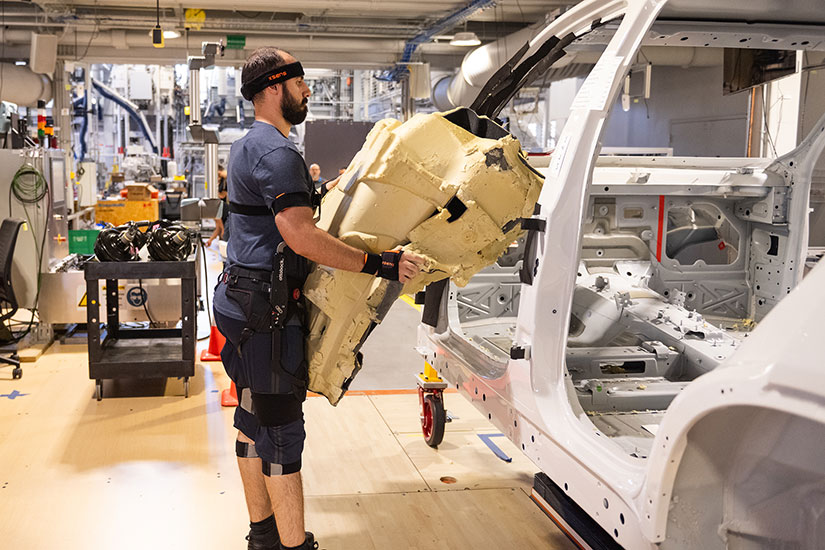
Engineering Better Decisions
Three Pillars of Industrial Engineering
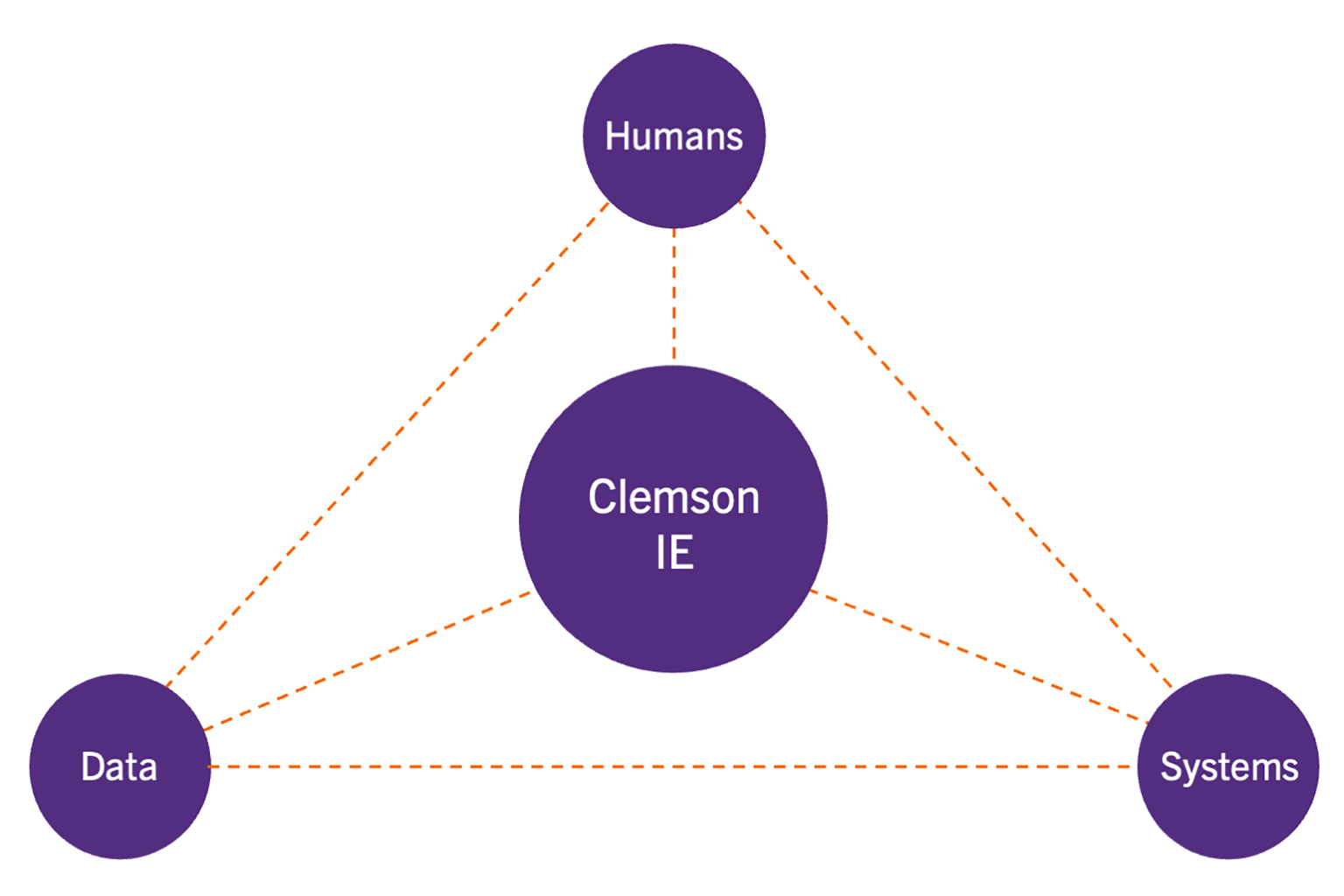
Humans: We measure and model human physical and cognitive capabilities to design work processes and systems that amplify human strengths (adaptability, creativity, resilience) and support human limits (fatigue, stress, pain).
Data: We create and apply rigorous mathematical approaches across machine learning, data science, and artificial intelligence to understand, analyze, and interpret complex data for decision-making purposes.
Systems: We develop analytical models and algorithms to solve complex problems, enabling better understanding, improved system design, enhanced performance, and better decision-making.
Clemson IE: Connecting Pillars
Humans + Systems
Project:
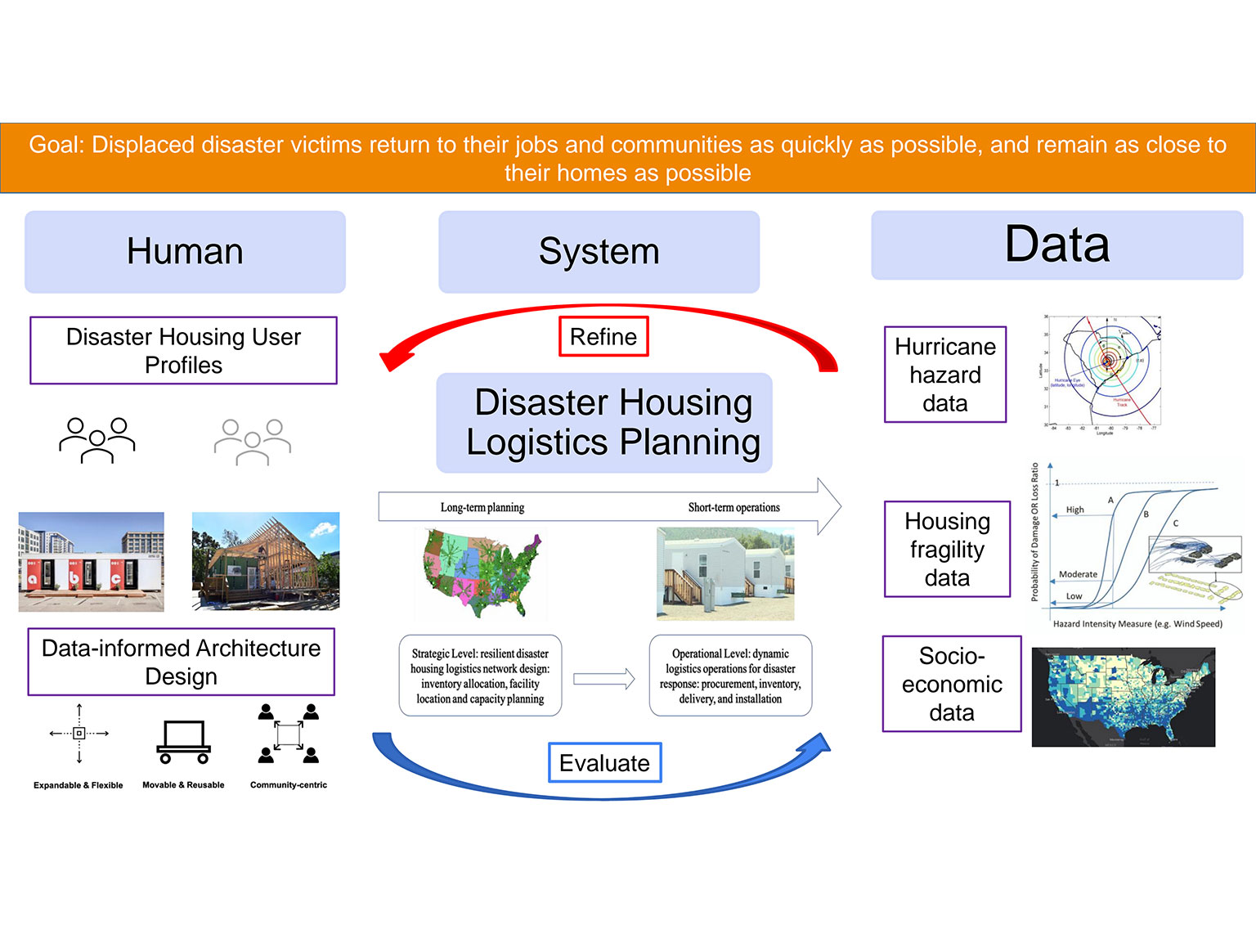
An Integrated Housing Design and Logistics Operations Modeling and Analysis Framework for Hurricane Relief
Clemson Faculty:
Yongjia Song, Industrial Engineering; Dustin Albright, Architecture; Weichiang Pang, Civil Engineering
Why It Connects to These Pillars:
Housing instability after a disaster is one of the most impactful vulnerabilities to people, families, and communities. By understanding the disaster housing system and supporting better decision-making within it, this project is helping create a system more attuned to the needs of disaster-impacted populations.
Description:
The objective of this project is to develop an integrated framework for disaster housing design and logistics planning that improves resilience during hurricane response and recovery. The framework combines resilient housing design, disaster housing supply chain and logistics networks, and adaptive operational planning under a range of hurricane scenarios. The project will also develop decision-support tools and innovative housing designs to reduce suffering, lower manufacturing and logistics costs, and strengthen collaboration between disaster resilience researchers and emergency management agencies.
Data + Systems
Project:
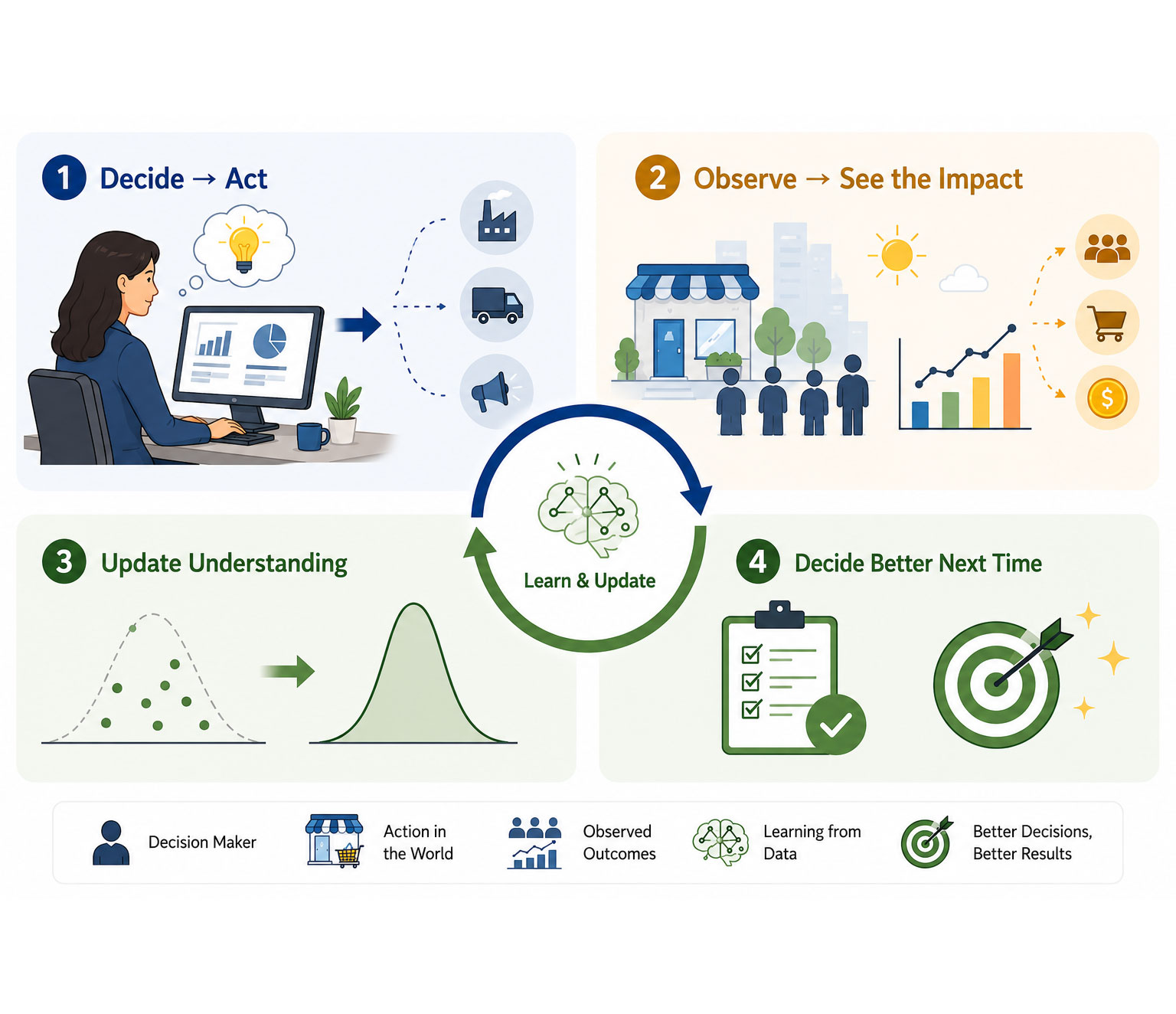
Multistage Stochastic Programs with Dynamic Learning
Clemson Faculty:
Amin Khademi and Hamed Rahimian, Industrial Engineering
Why It Connects to These Pillars:
Modern systems generate huge amounts of data, which can help assess the effectiveness of current plans and operational decisions. By helping systems-level models learn from this data, this project provides foundational mathematical tools to help systems adapt their operations by incorporating ‘lessons learned’ from the data and information they generate.
Description:
This project develops new data-driven approaches to support decision- making in complex systems where uncertainty evolves over time. The research integrates data analytics with advanced dynamic optimization models to help systems learn from past decisions and adapt to changing conditions. By connecting data with system-level decision-making, the project aims to create scalable tools that improve planning and operational effectiveness in applications such as logistics, defense operations, and large-scale infrastructure systems.
Humans + Data
Project:
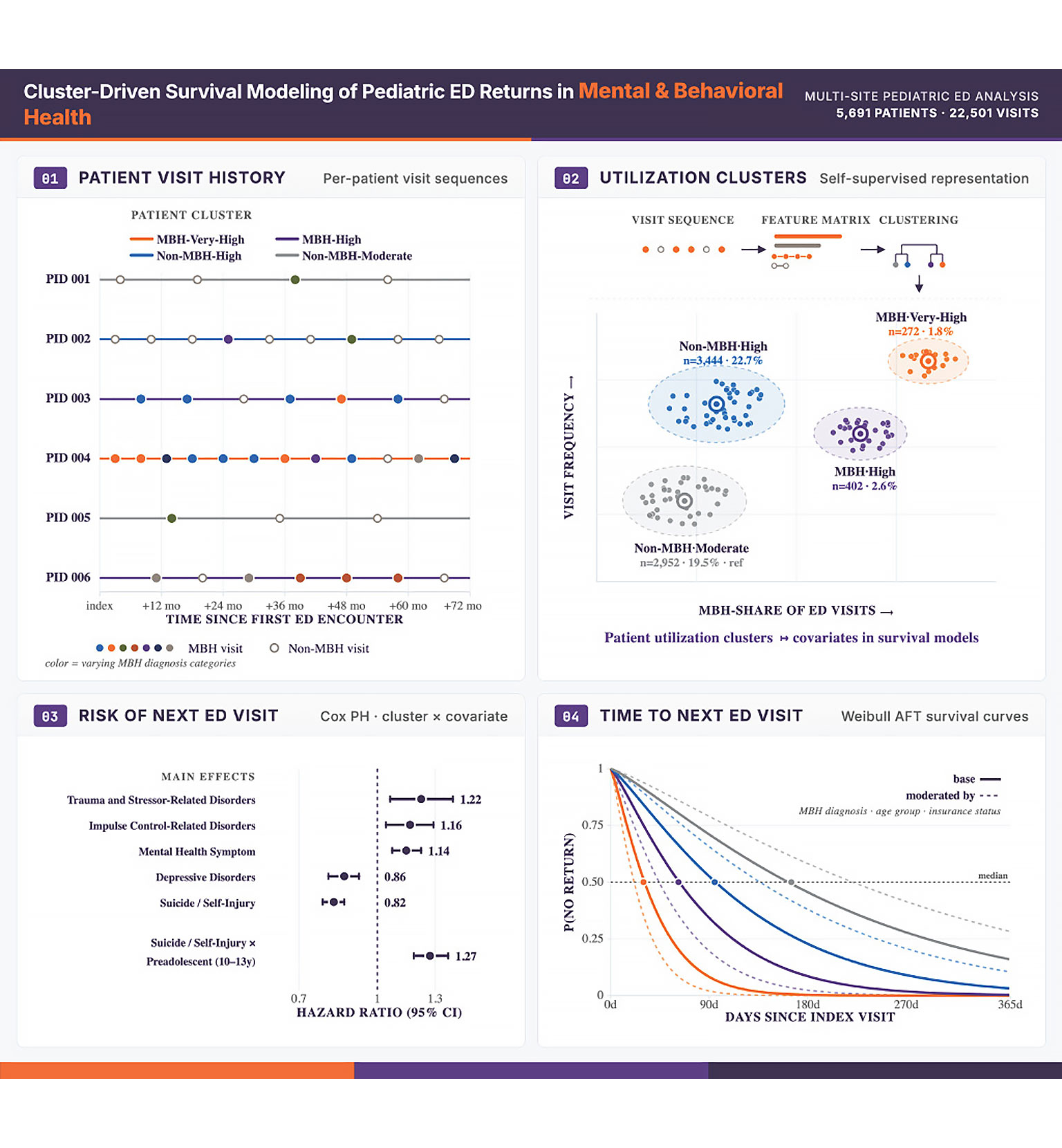
Cluster-Driven Survival Modeling of Pediatric Emergency Department Returns in Mental & Behavioral Health
Clemson Faculty:
David Neyens, Industrial Engineering; Anjali Joseph, Architecture (with a courtesy appointment in Industrial Engineering)
Why It Connects to These Pillars:
Emergency Departments (EDs) are being highly utilized as a means for mental and behavioral health care, especially for pediatric patients. EDs are typically not designed to support pediatric mental and behavioral health patients. To better understand how to design spaces and systems within the EDs, it is necessary to understand the population and how patients are utilizing the ED. We are investigating patients’ ED visit and revisit patterns. The objective of this project is to develop models to characterize patient and visit features within these subpopulations and quantify revisit risk and time-to-next visit among pediatric MBH patients. These models will inform design strategies for both the built environment and the systems and processes within EDs.
Description:
This project analyzes multi-site pediatric emergency department data (5,691 patients and 22,501 visits) to understand patterns of repeated ED use among pediatric patients with mental and behavioral health needs. Self-supervised clustering groups were created for patients by their utilization patterns, and survival models estimate how quickly each group returns to the ED and how diagnosis, age, and insurance status change that risk. A key finding: preadolescents (ages 10–13) presenting with suicide or self-injury concerns return significantly faster than older adolescents with the same concerns. This insight can guide earlier intervention and follow-up care for higher-risk patients.
- #12
UNDERGRADUATE IE PROGRAM
- #14
GRADUATE IE PROGRAM
- #11
ONLINE GRAD IE PROGRAM
Clemson IE: Better Together
Bridging Operations Research and Human Factors
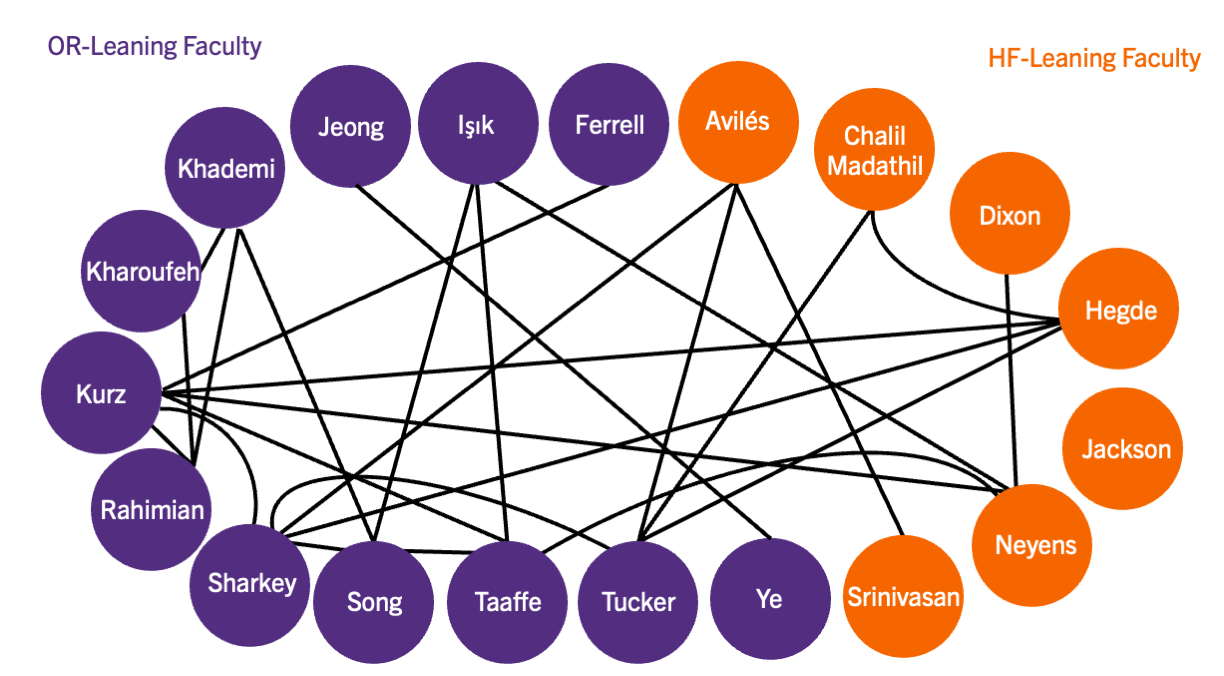
Few industrial engineering departments have the breadth of expertise found at Clemson University. With 26 full-time faculty, collaboration is central to our research culture, enabling us to bridge Operations Research and Human Factors to develop innovative, data-informed, and human-centered solutions to complex challenges in industry, healthcare, transportation, manufacturing, defense, and beyond.
Collaborations for Enhanced Impact
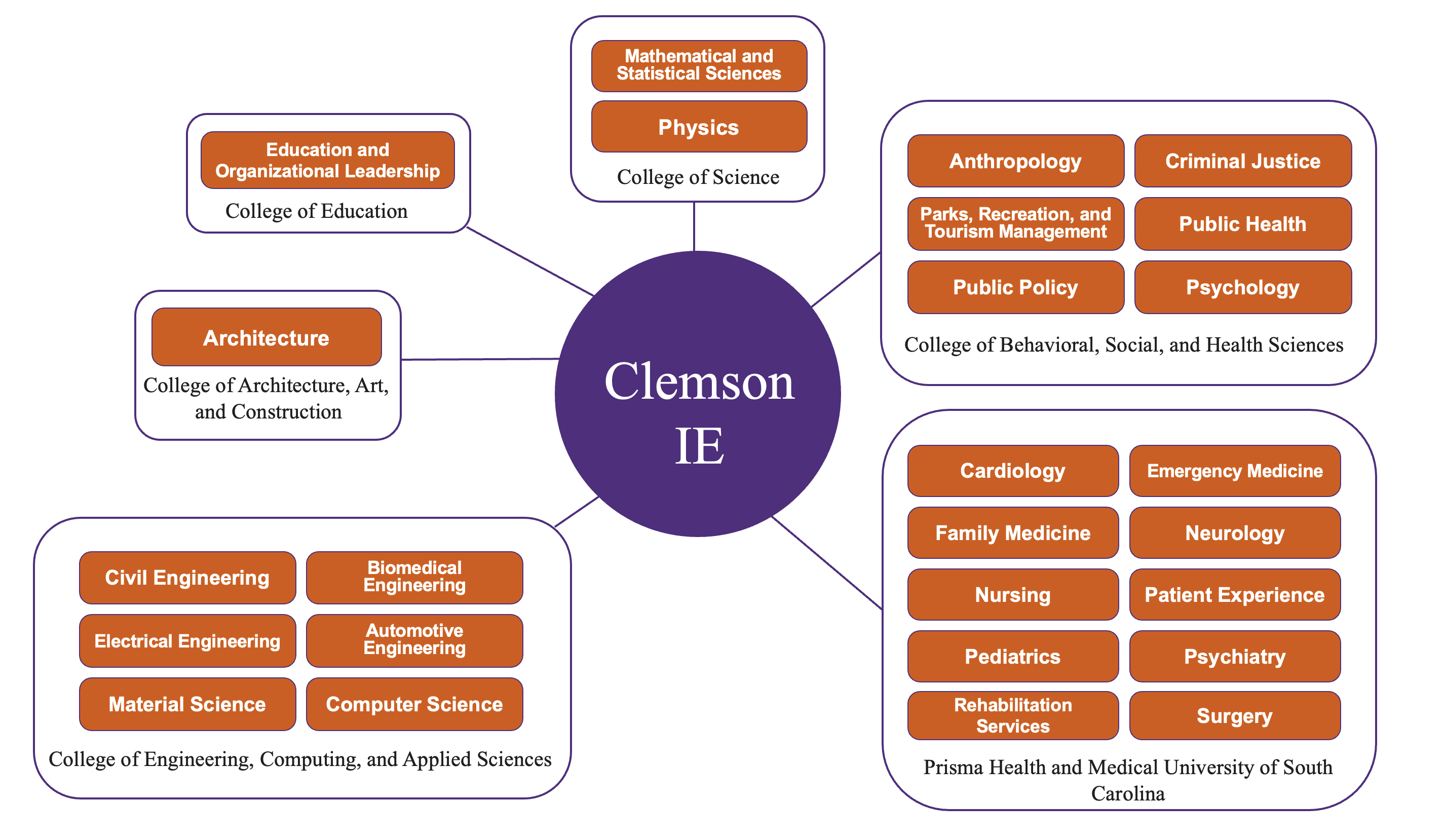
Clemson IE collaborates with a broad range of fields to conduct interdisciplinary research to have impacts across industry and society.
A copy of the IE Collaborations PowerPoint slide is available.
