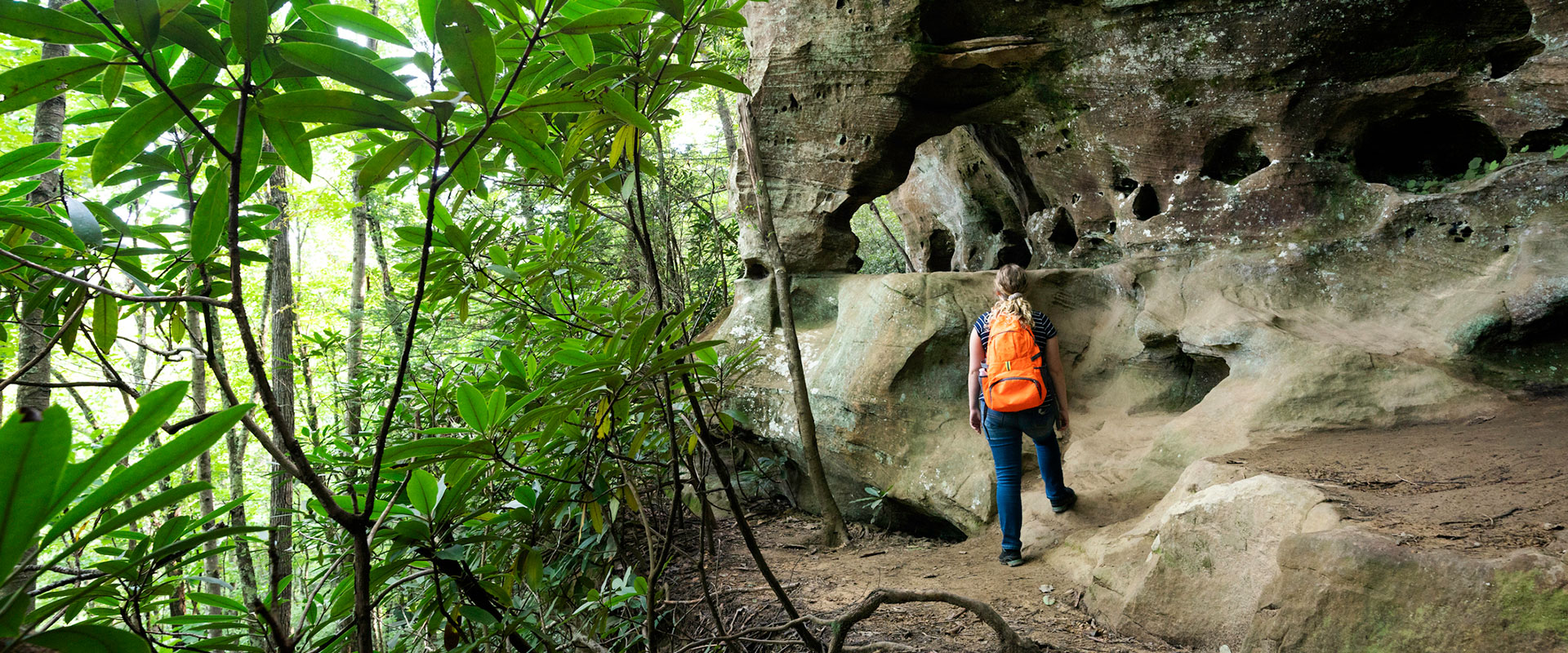
Field-based training Train in the field. Think like a hydrogeologist.
Kick off your summer with Clemson’s Hydrogeology Field Camp, a National Science Foundation–supported program built to deliver rigorous, hands-on training for careers in hydrogeology and beyond. Offered as GEOL 4750/GEOL 8750 for six credit hours, the course is open to all students at in-state tuition rates.
Summer 2027 | May 11 – June 15
GEOL 4750 / GEOL 8750
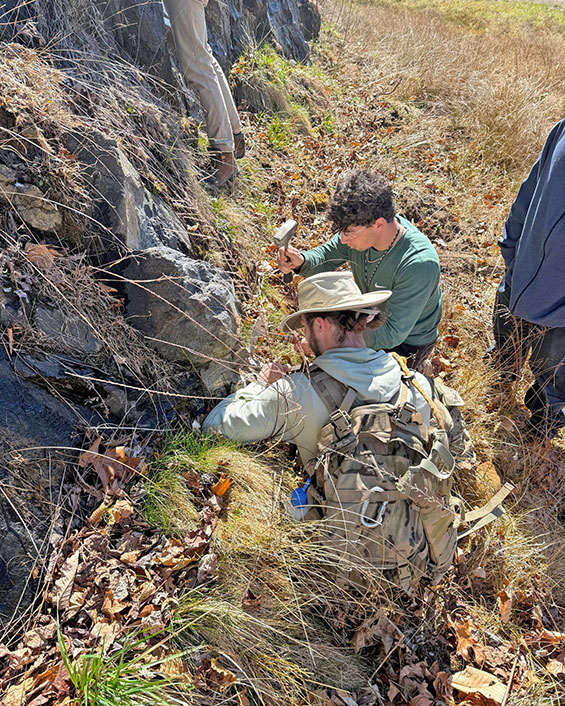
Clemson’s Hydrogeology Field Camp is a capstone experience for undergraduate Geology majors and graduate students in Hydrogeology or Engineering. It brings together the concepts and skills you’ve developed and puts them into practice through intensive, field-based work, meaning students leave with a working knowledge of hydrogeologic methods and how to apply them in real-world settings. Developed with support from the National Science Foundation (EAR 9876124), this program delivers rigorous, field-based training that prepares students for careers in hydrogeology and beyond.
What You’ll Do
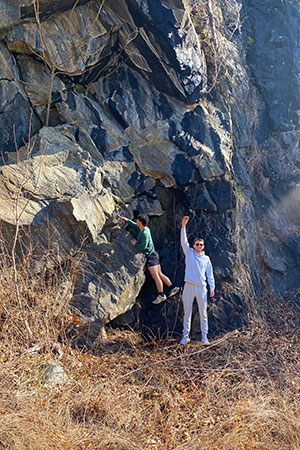
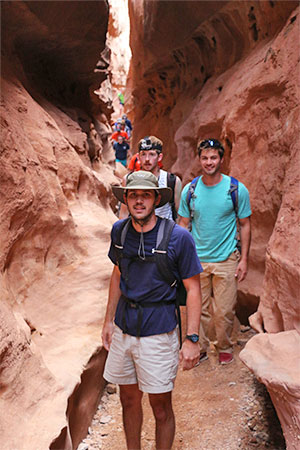
You’ll work across diverse hydrogeologic settings, including karst systems in the Mammoth Cave region, applied groundwater systems near Knoxville, and the complex geology of the Blue Ridge and Piedmont near Clemson. Trips like the Chattooga River push you to observe, interpret, and connect processes across landscapes. Locations may vary, but the range of experience remains the same.
- After a brief review of core principles, participants move straight into application.
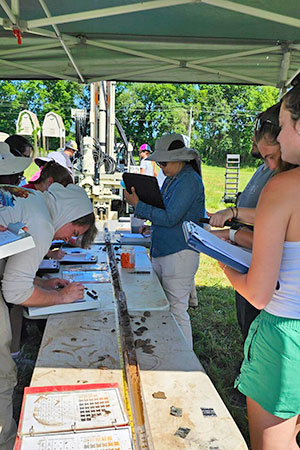
- Most days are spent outdoors collecting data, running equipment, and interpreting results on-site.
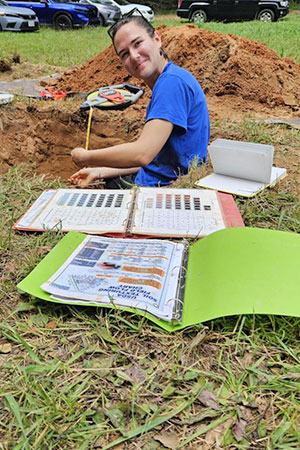
- A core part of the camp will have you map hydrogeologic systems, drill and test wells, sample and analyze water quality, and evaluate soil and vadose zone properties.
- You’ll also work with airflow processes, hydraulic fracturing concepts, and near-surface geophysics.
Fieldwork is collaborative by necessity and requires operating in teams to complete surveys, manage equipment, and solve problems in real time. Between Clemson faculty, guest instructors, and geologists and hydrogeologists from universities and consulting firms who bring specialized expertise, you'll find the overall structure mirrors consulting and research environments, giving a real-world perspective to field exercises and trips. For our graduate students, you'll take on additional technical writing assignments, producing reports that reflect professional standards.
GEOL 4750 (undergraduate field requirement) and GEOL 8750 (graduate) are taught together for six credit hours during Clemson’s first Summer Session; they are designed as a field-first course, with no fully remote option. Attendance is in person, with a limited hybrid option (up to one week) for scheduling conflicts.
Cultivating Practical Skills
Expect long days outside, real data, real systems, and real collaboration. Every exercise builds practical skill, field confidence, and a clearer path into hydrogeology.
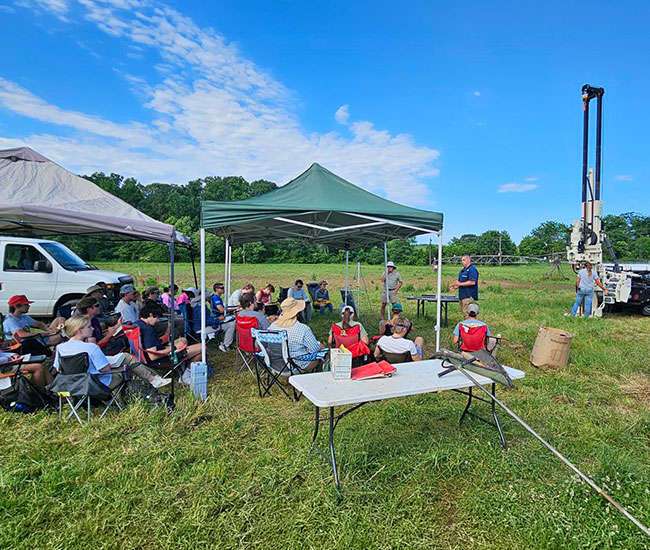
Join Us
Do you have a background in geology or engineering and want to take on the challenge of caring for our environment through hands-on field learning? Then Clemson is the place for you!