Investigative and Support Services Bureau
Investigations Division
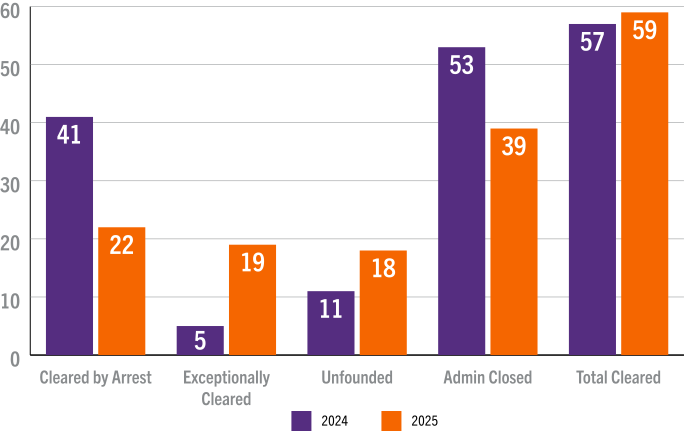
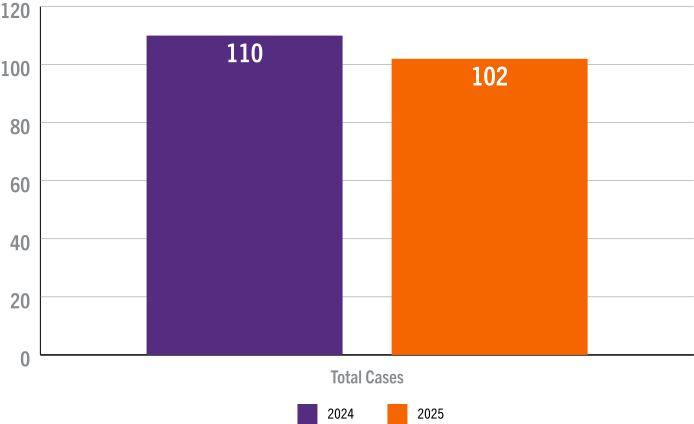
In 2025, the Criminal Investigation Division (CID), consisting of three detectives and one Division Commander, was assigned and investigated a total of 102 cases. Of these cases, 22 were cleared by arrest, 19 were exceptionally cleared, 18 were determined to be unfounded, 39 were administratively closed, and 4 remained active at the time of this report.
The total number of cases assigned in 2025 reflects a decrease from 2024, when CID investigated 110 cases. Of the 2024 cases, 41 were cleared by arrest, 5 were exceptionally cleared, 11 were unfounded, and 53 were administratively closed.
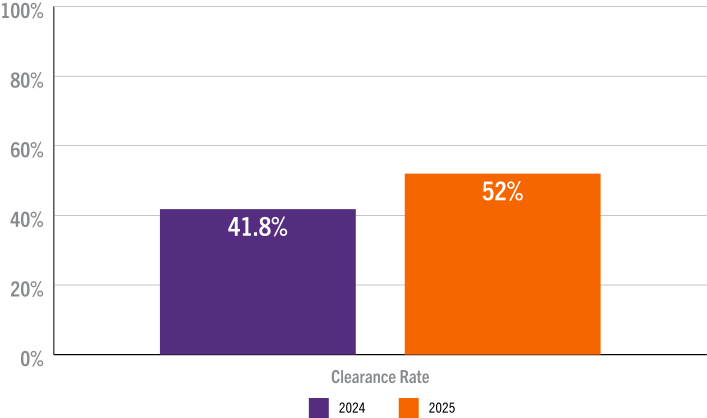
Despite the reduction in total cases assigned in 2025, the Criminal Investigation Division maintained an average clearance rate exceeding 52 percent for all assigned cases. This clearance rate significantly exceeds the national average which ranges from 25 to 35 percent. Contributing factors include advancements in electronic surveillance monitoring capabilities through the Physical Security Operations Center (PSOC), as well as effective investigative practices.
The Division’s strong clearance rate is also attributable to broader social and technological developments, targeted directed patrol initiatives, and focused policy interventions. Additionally, although overall case assignments declined in 2025, the decrease would have been greater absent proactive investigative efforts by CID.
During the year, investigators identified an increase in emerging social media driven behaviors that resulted in criminal activity. These cases were thoroughly investigated and successfully prosecuted through judicial proceedings. While such offenses are often perceived by perpetrators as victimless, CID pursued these investigations diligently to deter future violations and reduce the likelihood of similar incidents occurring on the Clemson University campus.
Key Observations
- While total cases declined in 2025, the overall clearance rate increased significantly, indicating improved investigative effectiveness.
- Exceptional clearances increased substantially in 2025, suggesting improved case resolution where probable cause existed and arrest was not feasible or the reporting victim did not wish to prosecute.
- The reduction in arrests may reflect changes in offense type, investigative strategy, or prosecutorial outcomes, rather than diminished investigative performance.
- Increased unfounded determinations in 2025 may indicate stronger initial case vetting and evidence evaluation.
- The improved clearance rate in 2025 remains well above the national average (25%–35%), reinforcing the effectiveness of CID operations.
CID Clearance Rate Comparison (2024-25)
Cases Assigned (2024-25)
Case Clearance Rate (2024-25)
Investigative K-9 Operations
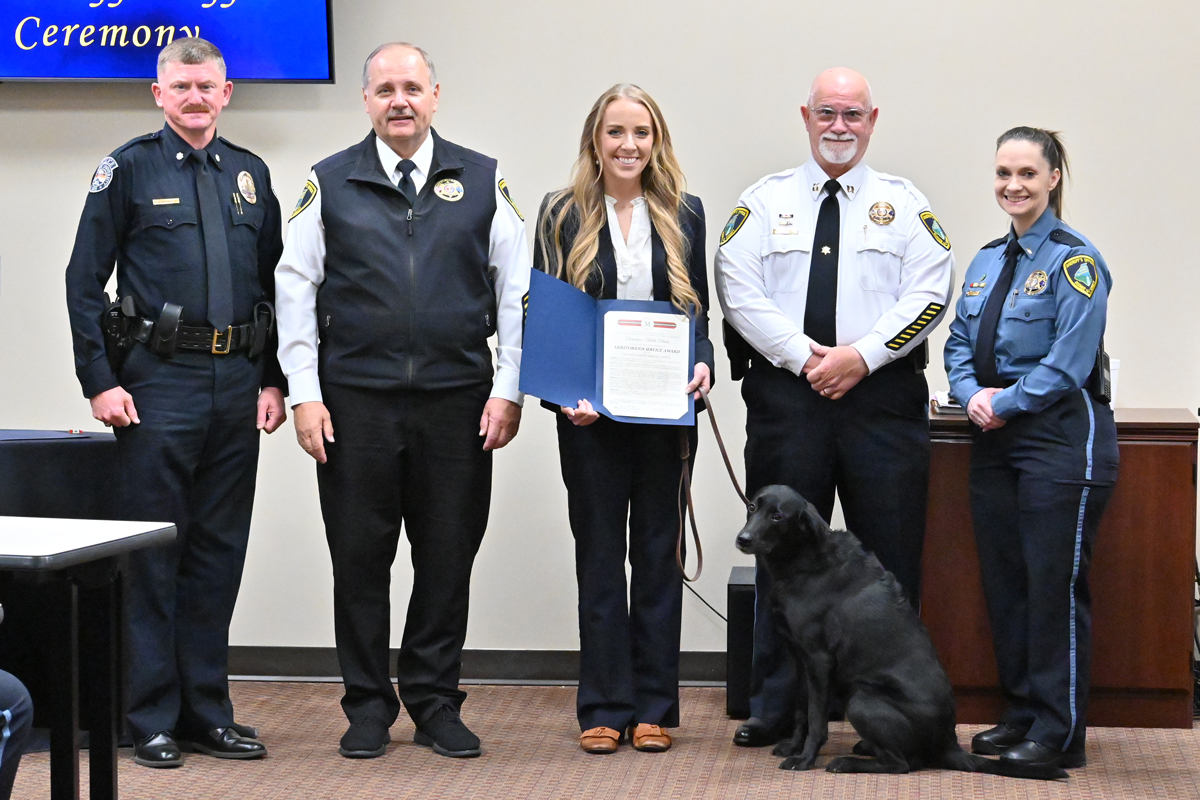
Additionally in 2025, launched its first placement and deployment of an Electronic Storage Detection Canine (K9) through a donation by the Defenders for Children organization. This K9 and handler team are assigned to the Investigations Division and are specially trained to conduct article searches to detect the presence and recovery of electronic storage devices such as hard drives, storage devices, flash media, and cellular phones.
The assigned Detective and K9 partner experienced successful deployment operations in 2025 with one notable operation supporting a key investigation by a neighboring partner agency within a detention center, ultimately resulting in recovery of multiple devices and the subsequent arrest of offenders involved.
Community Outreach and Crime Prevention
In 2025, CUPD's crime prevention and community outreach efforts continued to reflect a strong commitment to education, engagement, and proactive partnership across campus. Through a wide range of safety-focused initiatives, the department worked to equip students, faculty, and staff with the knowledge and tools needed to make informed decisions and enhance their personal safety.
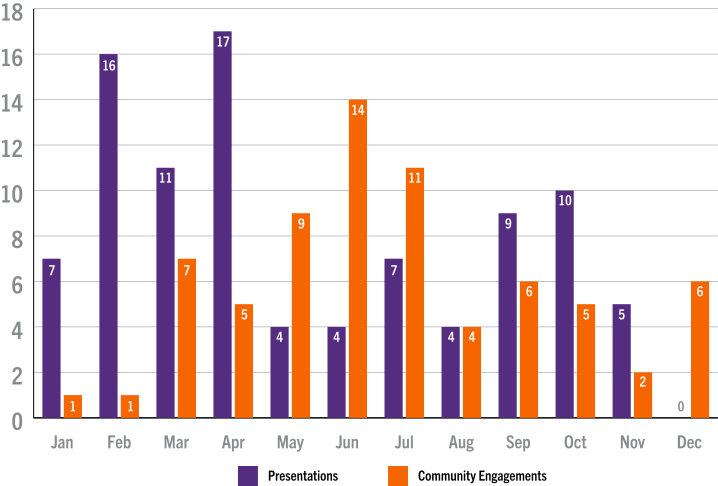
Throughout the year, CUPD delivered 88 safety presentations covering topics such as campus safety awareness, interpersonal violence prevention, alcohol education, pedestrian safety, firearms education, and practical personal safety strategies. These presentations provided valuable opportunities to connect directly with members of the campus community and reinforce a culture of shared responsibility for safety.
In addition to formal presentations, the department conducted 68 community engagement initiatives. These included outreach events, tabling efforts, partnership-building meetings, public safety awareness campaigns, and collaborative programs with campus and community partners. Each initiative strengthened relationships, increased visibility, and promoted open dialogue between law enforcement and the community we serve.
Through these combined efforts, CUPD continued to prioritize proactive outreach, collaborative engagement, and education-based prevention strategies. The accomplishments of 2025 highlight the value of sustained community partnerships and reinforce our ongoing commitment to enhancing safety through awareness, trust, and shared responsibility.
Presentations and Community Engagements (2025)
Major Crime Prevention Initiatives in 2025
Collaborative Public Awareness Campaigns
Throughout 2025, we partnered with campus organizations to launch impactful campaigns addressing issues like hazing. These initiatives promoted a culture of respect, responsibility, and student well-being. Additionally, we placed a strong focus on Alcohol Safety and Drug Education Partnerships. Community members were educated on securing property in their residence halls, protecting valuables, and reporting suspicious activity, reducing vulnerabilities to crime.
Data-Driven Decision Making
CUPD engages in monthly reporting activities in conjunction with CompStat 360 practices to conduct comprehensive analyses of crime and public safety trends. This approach provides actionable insights to inform strategies and decision-making throughout the department. The reporting process also promotes openness and accountability by regularly sharing findings with stakeholders to ensure everyone stayed focused on community safety goals. CompStat 360 improves our ability to address potential issues quickly and build trust within the community by showing our dedication to thoughtful and efficient policing.
Support for Survivors of Interpersonal Violence
In collaboration with campus partners, such as the Interpersonal Violence Resource Alliance, resources and other key information were provided to our campus community to ensure survivors can access the support and services they need. A resource website was also created for the information to be more accessible.
Pickens County Crimestoppers
In 2025, CUPD played an integral role in reestablishing the Crime Stoppers program within Pickens County. CUPD’s Community Outreach and Victim Services Coordinator engaged in collaborative partnerships and facilitated key coordination with the Pickens County Sheriff’s Office to successfully bring the program back to the community. These efforts strengthened interagency relationships and helped ensure a sustainable framework for the program’s renewed implementation.
The reintroduction of Crime Stoppers provides a critical avenue for community members to share information anonymously regarding criminal activity and public safety concerns. Anonymous tips can play a significant role in crime prevention by supplying law enforcement with timely and actionable information. These tips often serve as early indicators of potential criminal activity, allowing agencies to take proactive measures, prevent crimes, and enhance overall public safety.
Victim Services
In 2025, victim services efforts reflected continued progress in strengthening collaborative partnerships and enhancing the quality of support provided to victims/survivors. While there was a slight decrease in overall case assignments, services expanded in several key areas, indicating a shift toward deeper engagement and more comprehensive support.
Victim Services (2024-25)
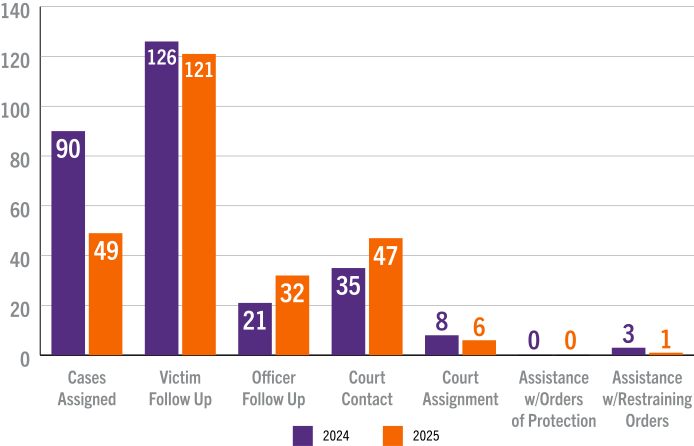
One notable trend in 2025 was the increase in collaboration with responding officers, reflected in higher levels of officer follow-up activity. This enhanced coordination helped ensure continuity of care for victims and reinforced a team-based approach to response. Additionally, there was measurable growth in court-related support services, including an increase in court contact assistance. This trend suggests a greater need for guidance through the judicial process and highlights the importance of advocacy during critical stages of legal proceedings.
Throughout the year, the Victim Services program collaborated closely with county victim advocates and local advocacy centers to strengthen coordinated response efforts. These partnerships improved service delivery, enhanced information-sharing, and reinforced connections with both campus stakeholders and community agencies. Even with fewer assigned cases, the scope and depth of services provided demonstrate an ongoing commitment to quality, accessibility, and survivor-centered care.
Victim Services also maintained a strong focus on trauma-informed, service-centered response practices. By prioritizing empathy, empowerment, and informed support, the program continues to ensure that victims/survivors receive comprehensive assistance tailored to their individual needs.
In 2025, Law Enforcement Victim Advocate, Sergeant Michelle Young, achieved Credentialed Advocate status through the National Advocate Credentialing Program from the National Organization for Victim Advocacy, a first for CUPD.
As we move forward, continued emphasis on interagency collaboration, proactive engagement, and strengthened campus partnerships will remain central to expanding resources and ensuring victims/survivors receive timely, informed, and compassionate support.
Physical Security Operations
In 2025, the Physical Security Operations Center (PSOC) continued to play a key role in supporting various law enforcement and emergency response activities, with a total of 5,288 separate calls for service directly supported through integrated technology solutions. This reflects a 9% increase compared to 2024. PSOC staff were able to directly assist in more than 200 law enforcement investigations either by the Operations Bureau or Criminal Investigations Division, including one major case involving high-value theft from Clemson University constructions sites. Lead information provided by PSOC was used by our detectives in their investigation to identify multiple suspects involved in similar crimes across several states.
Law enforcement calls-for-service, where PSOC staff were engaged, saw a 1.5% increase in 2025. Fire calls and EMS responses showed a 32% and 21% decline (respectively) in support availability, primarily due to increases in service calls in locations where technology coverage is limited (interior residential spaces outside of main campus jurisdiction).
Advanced video analytics continued to be used in valuable ways. Physical Security staff utilized enhanced analytic services through a variety of applications to conduct support investigations and real-time call for service response. These applications are a combination of native software on the electronic surveillance system or integrated into the enterprise system and overlayed on the video boards utilized by PSOC staff. Physical Security utilizes activity logs and resource availability reports to support annual reviews of the system and identify strengths, gaps, and areas for improvement.
While working to maintain budget stewardship considerations, important enhancements and installations were completed in 2025. Over the course of the year, a total of 133 new devices were installed, comprising an addition of 299 new camera views all designed to further enhance safety and security across the campus. This work was primarily linked to ongoing capital projects.
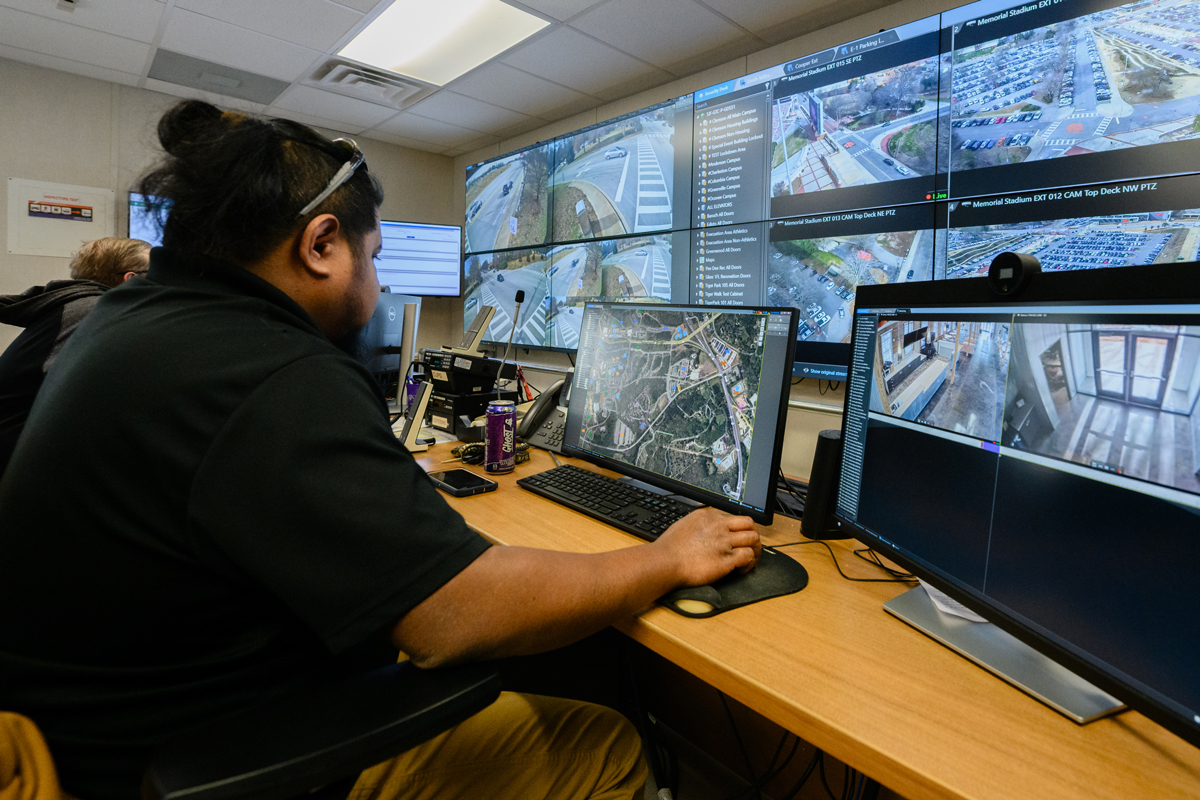
CUPD’s commitment to talent development is reflected in our ongoing partnership with the University Professional Internship and Co-op (UPIC) program, wherein we continue to host and mentor student interns each academic semester. The Physical Security Operations Center oversees the work of most of the UPIC interns hosted annually. Many of the interns working with CUPD are actively pursuing degrees in Criminal Justice or similarly related fields. This immersive experience within CUPD significantly enriches their academic journey and practical knowledge.
In partnership with Clemson University Housing, PSOC is also responsible for the nightly staffing of environmental safety monitoring in residential areas and conducts door security checks and property logging along with reporting suspicious activity or hazards to the Dispatch Center. As a component of this work, PSOC staff conduct regular inspections of lighting around campus and submit work orders to University Facilities to ensure timely resolution of repair needs.
Professional Development and Training
The Clemson University Police Department conducted 9,709 contact hours of in-service and advanced training in 2025, an approximate increase of 5% over 2024. Regular, high-quality training demonstrates continued commitment to evolving to meet the modern challenges of law enforcement and enhance our ability to effectively serve and protect the Clemson University community.
CUPD continues to assess the complex national, state and regional trends in law enforcement encounters, actions, and tactics and utilizes lessons learned to enhance our readiness to ensure every officer is equipped mentally, physically, and tactically to respond with confidence and precision.
In 2025, CUPD expanded the scope of multiple training programs to enhance effectiveness and strengthen competencies and capabilities. Two of the most significant focus areas were ground defense and practical active threat response.
In assessing national reports and publications on active threat and targeted violence data, CUPD recognized the shifting landscape in scope, scale and locations of active threat incidents across the country. These incidents challenge officers to make rapid, life-saving decisions, and require significant investment in training and skill building to ensure an effective response when seconds matter.
CUPD’s training programs not only focus on tactical proficiency but also trust, communication, and resilience under intense pressure. Continuing to place a high priority on training in this area is essential to ensure that our department remains ready to respond decisively in these highly complex situations.
In 2025, CUPD continued to emphasize the importance of responder well-being by furthering our delivery of the Struggle Well program, which was launched in partnership with the Boulder Crest Foundation in 2024.
First responders face incredible demands that can leave lastly impacts, both visible and invisible, and the emotional toll can be significant. The Struggle Well program is centered on mental health, resilience, and holistic wellness for first responders, supporting post-traumatic growth at the individual level.
In 2025, every member of the department received Struggle Well training. This was more than an initiative. It was a message to our team that their well-being matters and that they never face challenges alone. By prioritizing mental health alongside tactical readiness, we demonstrated our commitment to supporting officers as whole individuals.
Additionally, through the trained Struggle Well Guides across CU Public Safety, we delivered this training for mutual aid partners from across the area, further supporting this initiative beyond the scope of our own agencies.
These efforts, together with leadership development programs and advanced tactical training, reflect a deeply rooted promise. CUPD continues to invest in our people so they can serve the Clemson University community with excellence, compassion, and courage. As we look back on the achievements of 2025, we are reminded that training is not simply a requirement. It is an expression of who we are and who we strive to become. Moving forward, our commitment to readiness, growth, and the highest standards of safety and service remains as strong as ever.
The South Carolina Commission on Higher Education relaunched the Dalton and Linda Floyd Campus Safety Conference in 2025, with Deputy Chief Harrington serving on the statewide planning committee. This conference was hosted at Coastal Carolina University in July 2025 with attendees representing campus safety officials and administrators from higher education institutions across South Carolina.
Deputy Chief Harrington, alongside representatives from the South Carolina Law Enforcement Division, National Alliance on Mental Illness, and CU Emergency Management Coordinator Andrew Rzodkiewicz, presented on topics related to active threats, behavioral threat assessment teams, mental health crisis response and Family Assistance and Reunification Centers.
