Faculty-Directed Programs

Faculty-directed global engagement programs foster a global mindset that’s instrumental in preparing students to develop as global citizens.
Many Opportunities
These experiences help students rise to the opportunities and challenges faced by the worldwide community.
While in a faculty-directed program, students study and intern off the Clemson campus — often abroad — in a variety of locations under guidance of College of Science faculty, while gaining credit toward their degrees.
Faculty-directed programs typically range from two to five weeks and allow students to apply in-state tuition and fees to their travel. By being aligned with college priorities, these opportunities complement the student’s degree.
Students can also gain Clemson University credit for Clemson faculty-directed programs.
Explore Programs
- Australian Ecology
- Barcoding Tropical Biodiversity in Ecuador
- Exploring the Galapagos: Field Science, Conservation and Discovery
- Galapagos Islands: Natural History and Biota
- Global Experiences in Health Professions
- Italy by Design in Perugia
- Mammalian Ecology of South Africa
- Microbial Pathogenesis in Poland
- Modeling Methods and Logistics Applications in France
- Science and Global Challenge Immersion in Berlin
- Tropical Ecology and Field Research in Costa Rica
- Vertebrate Ecology of the Dolomites
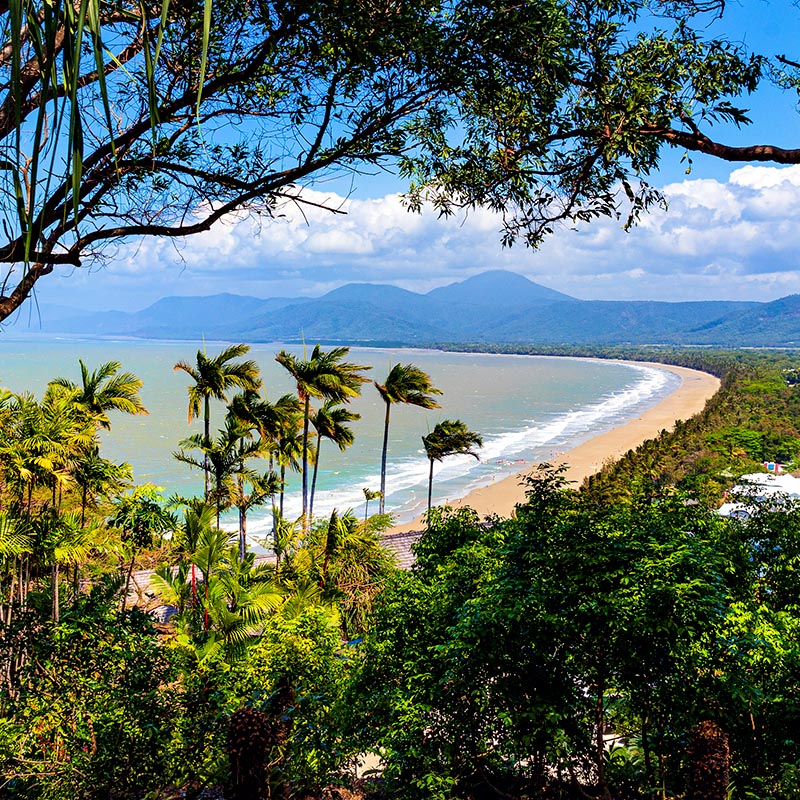
Australian Ecology
- Contact: Caleb McGill
- Program Director: Virginia Abernathy
- Course Credit: BIOL 4490/4491 Field Ecology and Lab (4 credits)
This course will focus on Australian ecology and conservation and will include immersive educational experiences abroad in Queensland, Australia, ecological sampling techniques in various ecosystems and biological inquiry, such as conducting experiments, data collection, statistical analysis of data and scientific writing and presentation of data. The travel portion of the program will take place 2½ weeks prior to the typical fall semester starting.
This program is not running in 2027.
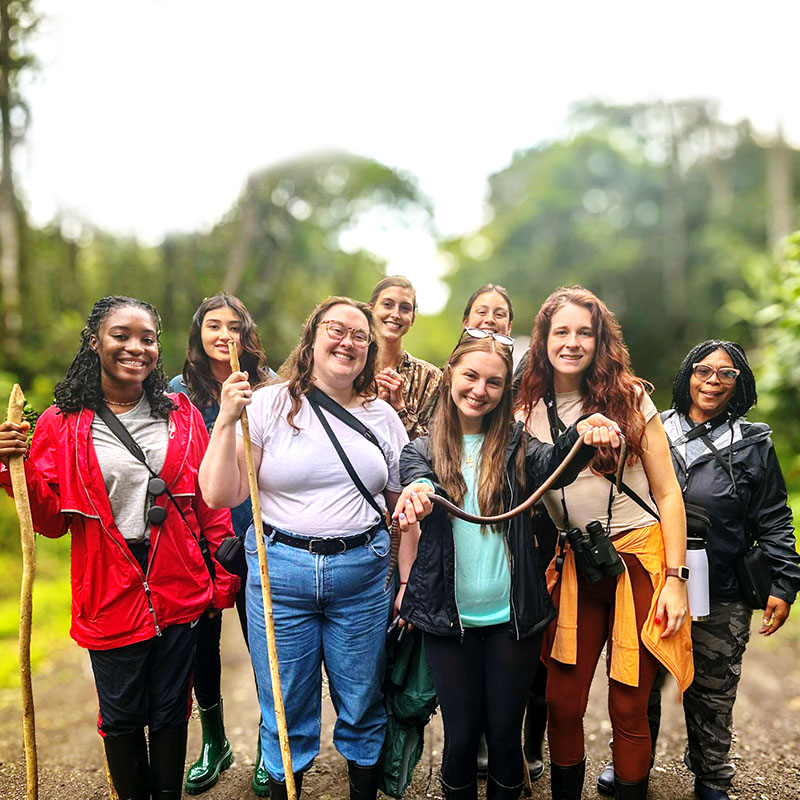
Barcoding Tropical Biodiversity in Ecuador
- Contact: Caleb McGill
- Program Director: Sharon Bewick and Benjamin Camper
- Course Credit: BIOL 3170/3180
Move from rainforest biodiversity to DNA sequences in a 16-day field-based study abroad experience at Wildsumaco Biological Station in Ecuador’s extraordinarily diverse eastern Andean foothills. In Barcoding Tropical Biodiversity and its corequisite lab, students will learn how DNA barcodes can reveal species boundaries, biodiversity patterns, evolutionary relationships and conservation priorities—all while working in the tropics where poorly documented biodiversity makes these tools especially powerful.
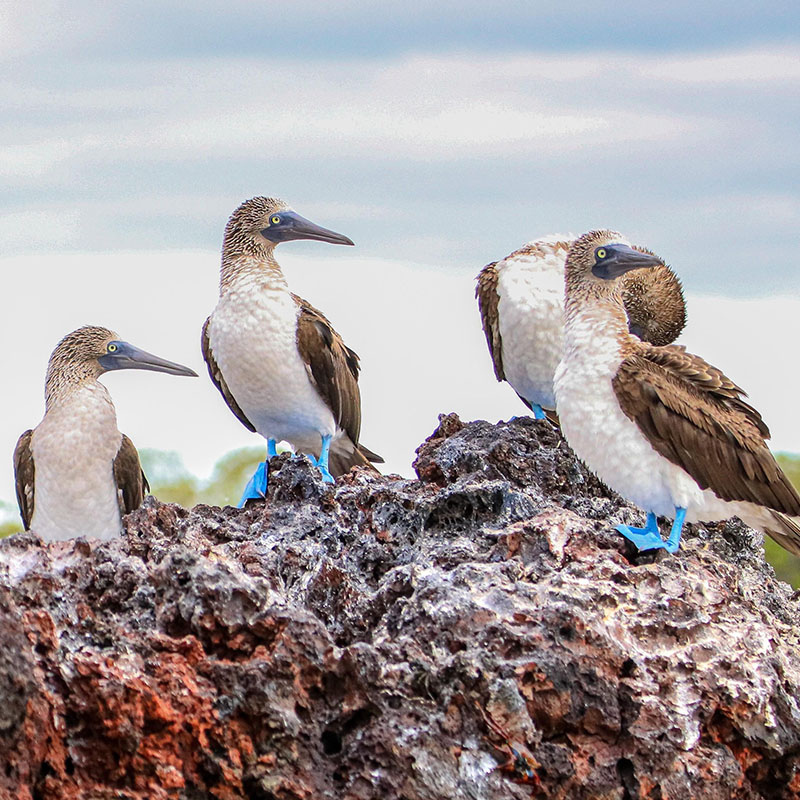
Exploring the Galapagos: Field Science, Conservation, and Discovery
- Contact: Caleb McGill
- Program Director: Kelly Willemssens
- Course Credit: BIOL 8710
Have you always dreamed of visiting the Galapagos? Experience the Galapagos through the eyes of a field scientist. Join us for an unforgettable 11-day study abroad experience in Ecuador and the Galapagos Islands. Explore the islands that inspired Charles Darwin’s theory of evolution while discovering the remarkable wildlife, landscapes, ecology and conservation efforts that make the Galapagos one of the world’s greatest natural laboratories.
This program is for graduate students only.
- View the Exploring the Galapagos program page
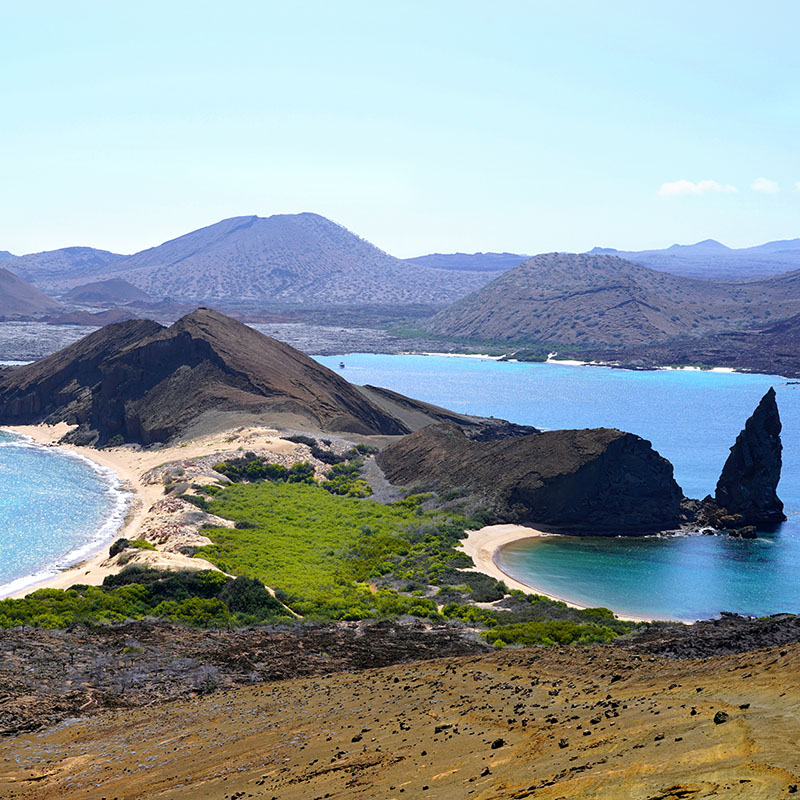
Galapagos Islands: Natural History and Biota
- Contact: Caleb McGill
- Program Directors: Antonio Baeza
- Course Credit: BIOL 3030
Step into a living laboratory and experience evolutionary history first-hand with Invertebrate Biology (BIOL 3020/3030) as we embark on an unforgettable 16-day expedition across the Galapagos Archipelago in Ecuador. Far beyond a traditional classroom or standard lab layout, this intensive field-study program immerses you directly into the unique, fragile ecosystems that famously inspired Charles Darwin.
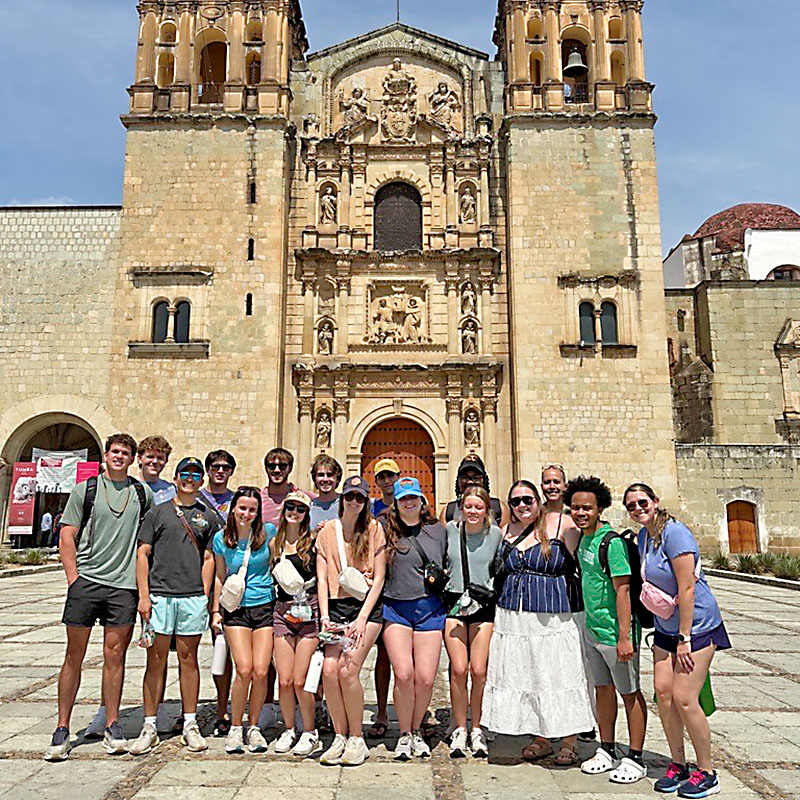
Global Experiences in Health Professions
- Contact: Caleb McGill
- Program Directors: Harolynn Williams and Caleb McGill
- Course Credit: HPA 2010 (1 credit)
This experiential learning program affords students interested in health care careers opportunities to engage in global learning experiences, social literacy training and ethics training, and to understand how health is shaped across different contexts and populations.
- View the Global Experiences program page

Italy by Design in Perugia
- Contact: Caleb McGill
- Program Directors: Irina Viktorova, Seth Watkins and Rachelle Beckner
- Course Credit: MATH 2060, MATH 2080, PCID 3140
Perugia serves as the program's home base, providing students with an immersive experience in a historic Italian university city. Classroom instruction is complemented by planned academic and cultural experiences in Perugia, Florence and Rome. Discover how math, science, engineering, infrastructure and communication shaped some of the world’s most influential cities.
- View the Italy by Design program page
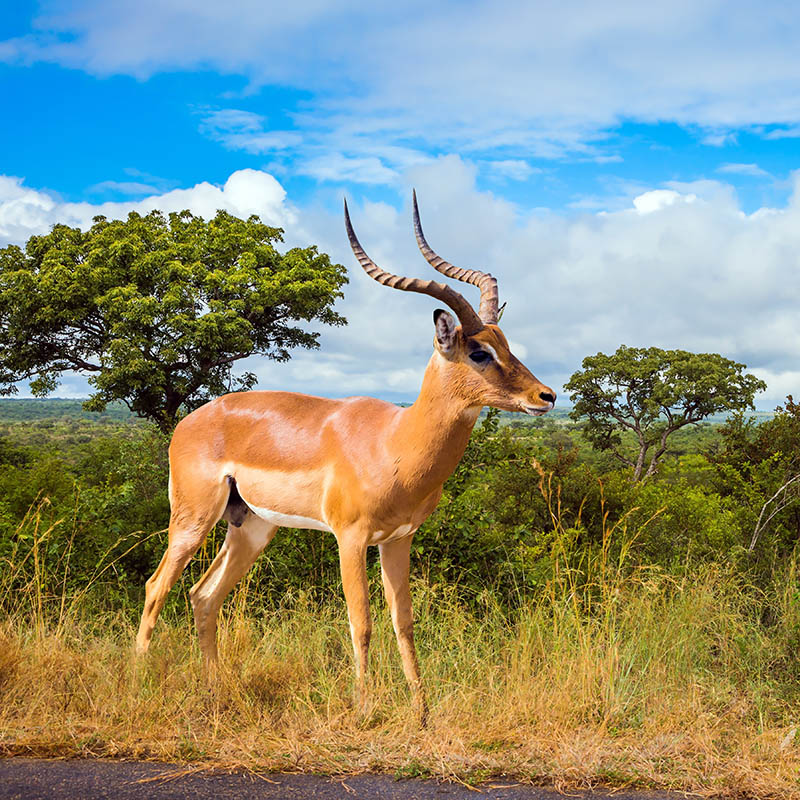
Mammalian Ecology of South Africa
- Contact: Caleb McGill
- Program Director: John Cummings
- Course Credit: BIOL 4490/4491 Field Ecology and Lab (4 credits)
This is a unique and rare opportunity for students who want to immerse themselves in fieldwork and learn field techniques. Students will spend two weeks applying various field techniques to study the unique conditions, both natural and manmade, that create the distribution and ecology of the mammalian fauna of South Africa. One week will be devoted to land mammals, and the other week will be devoted to marine species.
- View the South Africa program page
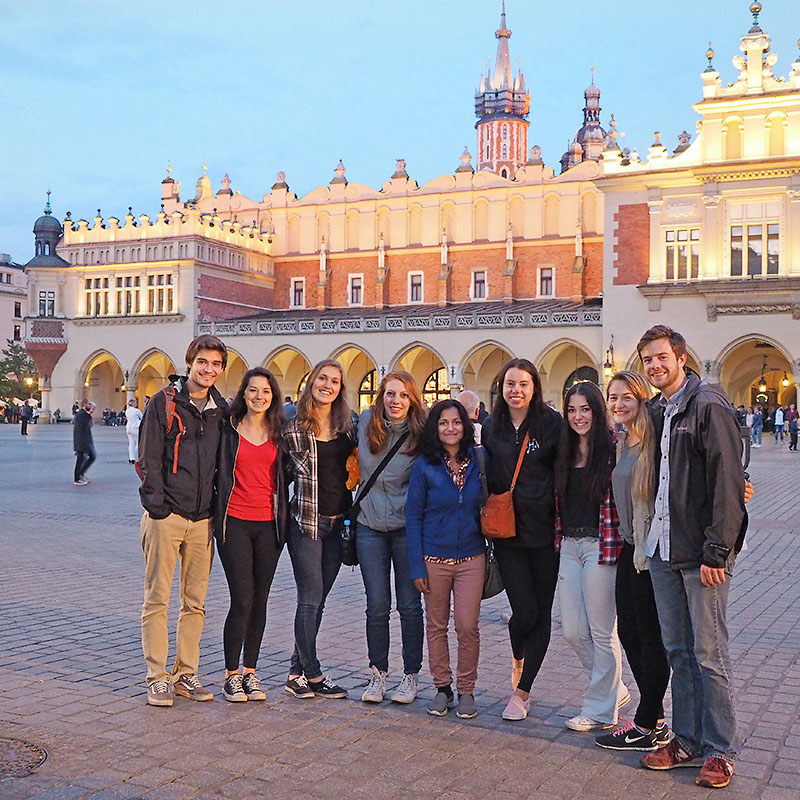
Microbial Pathogenesis in Poland
- Contact: Caleb McGill
- Program Director: Lukasz Kozubowski
- Course Credit: MICR 3050/3051, GEN/BCHM 4900, STS 1010
Master basic knowledge of microbiological science, get hands-on lab experience and learn about the history of Eastern Europe and how the events of World War II influenced medical science. This program takes place in Wroclaw, a major science and cultural center of Poland and a key city in the development of medical science and microbiology during and after the war.
- View the Poland program page

Modeling Methods and
Logistics Applications in France
- Contact: Caleb McGill
- Program Director: Kevin Taaffe
- Course Credit: MATH 4400 or IE 4570 plus IS 2100 (6 credits total)
This program will focus on transportation, logistics and health care, and the fundamentals of mathematical modeling and how modeling is used to solve these complex issues. Students will visit French businesses and organizations in transportation, logistics, and healthcare, as well as having guest lectures or panel sessions with industry professionals as well as faculty from University of Clermont Auvergne.
- View the France program page

Science and Global Challenge Immersion in Berlin
- Contact: Caleb McGill
- Program Director: Miriam Konkel
- Course Credit: GEN/BHCM 4930
This study abroad global challenges senior seminar in Berlin, Germany, makes science and global engagement tangible. Through immersion in German culture, history and research, you will explore how scientific innovation intersects with some of the most pressing challenges facing society today. In Berlin and Leipzig, visit world-renowned research institutions and walk in the footsteps of scientific giants during the Dahlem Tour. Learn about state-of-the-art primate and biomedical research, tour laboratories, and meet with scientists to discuss their work and career paths.
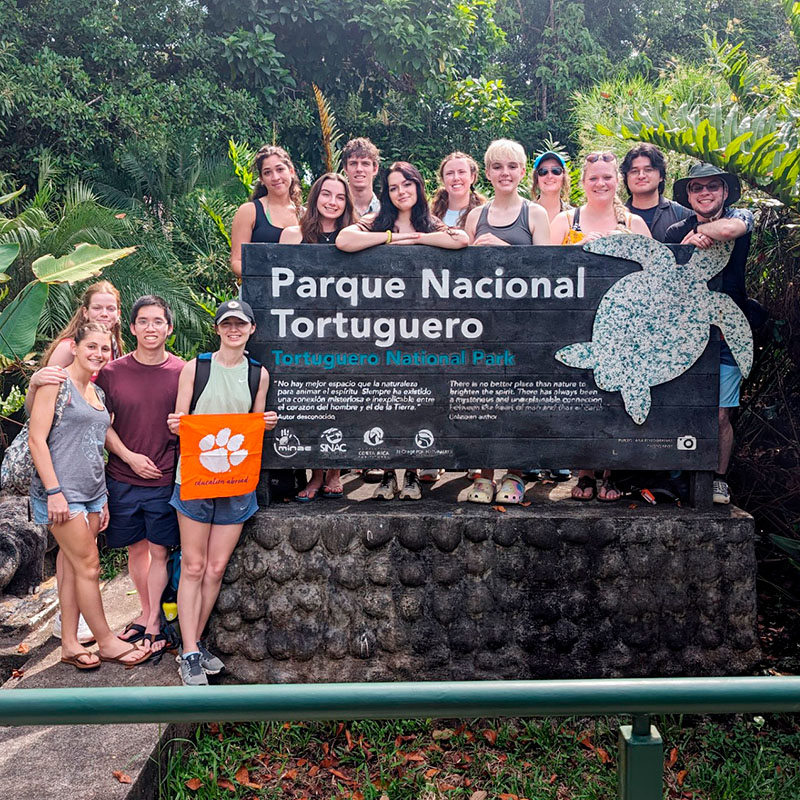
Tropical Ecology and Field Research in Costa Rica
- Contact: Caleb McGill
- Program Directors: Kelly Willemssens
- Course Credit: BIOL 4490/4491 (4 credits)
Learn about biological field techniques while immersing yourself in one of the most biodiverse areas on our planet. Coursework will focus on studying ecological principles or primate behavior while collecting data on various habitats and organisms such as spider monkeys, tapirs, toucans, red-eyed tree frogs, howler monkeys and many others.
- View the Costa Rica program page

Vertebrate Ecology of the Dolomites (Italian Alps)
- Contact: Caleb McGill
- Program Director: John Cummings
- Course Credit: BIOL 4490/4491 Field Ecology and Lab (4 credits)
Students will spend two weeks applying various field techniques to study the unique conditions, both natural and manmade, that create the distribution and ecology of the vertebrate fauna of the Dolomites (the Italian Alps). Species to be investigated (all in their natural habitat) include, but are not limited to amphibians, birds, small mammals, bats, alpine brown bear and alpine ibex. In addition to field work, students will explore the historical and cultural significance of Venice and Milan, Italy.
Plan Your Study Abroad Program
Studying abroad requires careful planning to ensure that you receive all the credits you need by your anticipated graduation date. For example, you may have to take prerequisite courses or reorder some courses to free up classes to be taken abroad. You may need to consider how to finance your experience abroad. We are here to help you get to your destination and goal. Make an appointment with the College of Science Global Engagement team at the beginning of your planning process, and we’ll assist you with choosing a program, filling out applications and preparing for your time abroad.
- Step 1: Explore program options using the Pam Hendrix Center for Education Abroad approved programs list and complete the Study Abroad 101 Training and Advising Form.
- Step 2: Schedule an appointment with the Science Global Engagement team via CU Navigate by selecting “Study Abroad” as your care unit. You can also email the College of Science Assistant Director of Global Engagement, Caleb McGill, at jmcgil2@clemson.edu to set up a meeting and discuss the study abroad process, program options, potential coursework, how credit transfer works and anything else you'd like to ask about study abroad.
- Step 3: Once you have narrowed down your program options and know potential coursework you can take at each program, meet with your academic advisor to confirm that your desired coursework fits into your degree plan and meets necessary requirements.
- Step 4: Once you’ve found the ideal program, it’s time to apply and ensure your courses have been approved for credit transfer. Reach out to the Science Global Engagement team as needed for assistance with this process.
